Lucas S Roberti, Rodrigo A Franke, Bruno Q Robaina, Diulian M Medeiros, Bruno M Baroni
{"title":"单腿桥试验不能测量健康男性孤立的腿筋耐力。","authors":"Lucas S Roberti, Rodrigo A Franke, Bruno Q Robaina, Diulian M Medeiros, Bruno M Baroni","doi":"10.26603/001c.125763","DOIUrl":null,"url":null,"abstract":"<p><strong>Background: </strong>The Single Leg Bridge Test (SLBT) is commonly described as a measure of 'hamstring endurance'. Nevertheless, the relationship between the SLBT score and isolated hamstring endurance remains uncertain.</p><p><strong>Purpose: </strong>This study aimed to investigate the correlation between SLBT scores and isolated hamstring endurance in healthy men. Additionally, the study aimed to assess the correlation between the limb symmetry index obtained from the SLBT and hamstring endurance test results.</p><p><strong>Design: </strong>Cross-sectional study.</p><p><strong>Methods: </strong>Forty healthy and physically active men were evaluated at the research laboratory on two separate occasions, with a minimum interval of 48 hours between visits. During each visit, participants performed either the single-leg balance test (SLBT) or the hamstring endurance test on an isokinetic dynamometer, which involved 30 concentric knee flexion repetitions performed at maximum intensity, with an angular velocity of 120°/s and a range of motion of 90°. Correlations were analyzed between SLBT scores and hamstring fatigue indexes provided by peak torque and work outcomes.</p><p><strong>Results: </strong>The SLBT score (27±7 reps) demonstrated no significant correlation with isolated hamstring endurance, as measured by isokinetic peak torque (52±9%; p=0.737, r=-0.038) or work (57±9%; p=0.489, r=0.078). Likewise, the limb symmetry index obtained from the SLBT (99±12%) did not significantly correlate with index from the hamstring endurance test: peak torque (107±26%; p=0.540, r=-0.100) and work (102±18%; p=0.849, r=0.031).</p><p><strong>Conclusion: </strong>The SLBT does not appear to be a suitable tool for measuring isolated hamstring endurance in healthy men.</p><p><strong>Level of evidence: </strong>3.</p>","PeriodicalId":47892,"journal":{"name":"International Journal of Sports Physical Therapy","volume":"19 12","pages":"1581-1588"},"PeriodicalIF":2.1000,"publicationDate":"2024-12-01","publicationTypes":"Journal Article","fieldsOfStudy":null,"isOpenAccess":false,"openAccessPdf":"https://www.ncbi.nlm.nih.gov/pmc/articles/PMC11611474/pdf/","citationCount":"0","resultStr":"{\"title\":\"The Single Leg Bridge Test Does Not Measure Isolated Hamstring Endurance in Healthy Men.\",\"authors\":\"Lucas S Roberti, Rodrigo A Franke, Bruno Q Robaina, Diulian M Medeiros, Bruno M Baroni\",\"doi\":\"10.26603/001c.125763\",\"DOIUrl\":null,\"url\":null,\"abstract\":\"<p><strong>Background: </strong>The Single Leg Bridge Test (SLBT) is commonly described as a measure of 'hamstring endurance'. Nevertheless, the relationship between the SLBT score and isolated hamstring endurance remains uncertain.</p><p><strong>Purpose: </strong>This study aimed to investigate the correlation between SLBT scores and isolated hamstring endurance in healthy men. Additionally, the study aimed to assess the correlation between the limb symmetry index obtained from the SLBT and hamstring endurance test results.</p><p><strong>Design: </strong>Cross-sectional study.</p><p><strong>Methods: </strong>Forty healthy and physically active men were evaluated at the research laboratory on two separate occasions, with a minimum interval of 48 hours between visits. During each visit, participants performed either the single-leg balance test (SLBT) or the hamstring endurance test on an isokinetic dynamometer, which involved 30 concentric knee flexion repetitions performed at maximum intensity, with an angular velocity of 120°/s and a range of motion of 90°. Correlations were analyzed between SLBT scores and hamstring fatigue indexes provided by peak torque and work outcomes.</p><p><strong>Results: </strong>The SLBT score (27±7 reps) demonstrated no significant correlation with isolated hamstring endurance, as measured by isokinetic peak torque (52±9%; p=0.737, r=-0.038) or work (57±9%; p=0.489, r=0.078). Likewise, the limb symmetry index obtained from the SLBT (99±12%) did not significantly correlate with index from the hamstring endurance test: peak torque (107±26%; p=0.540, r=-0.100) and work (102±18%; p=0.849, r=0.031).</p><p><strong>Conclusion: </strong>The SLBT does not appear to be a suitable tool for measuring isolated hamstring endurance in healthy men.</p><p><strong>Level of evidence: </strong>3.</p>\",\"PeriodicalId\":47892,\"journal\":{\"name\":\"International Journal of Sports Physical Therapy\",\"volume\":\"19 12\",\"pages\":\"1581-1588\"},\"PeriodicalIF\":2.1000,\"publicationDate\":\"2024-12-01\",\"publicationTypes\":\"Journal Article\",\"fieldsOfStudy\":null,\"isOpenAccess\":false,\"openAccessPdf\":\"https://www.ncbi.nlm.nih.gov/pmc/articles/PMC11611474/pdf/\",\"citationCount\":\"0\",\"resultStr\":null,\"platform\":\"Semanticscholar\",\"paperid\":null,\"PeriodicalName\":\"International Journal of Sports Physical Therapy\",\"FirstCategoryId\":\"1085\",\"ListUrlMain\":\"https://doi.org/10.26603/001c.125763\",\"RegionNum\":0,\"RegionCategory\":null,\"ArticlePicture\":[],\"TitleCN\":null,\"AbstractTextCN\":null,\"PMCID\":null,\"EPubDate\":\"2024/1/1 0:00:00\",\"PubModel\":\"eCollection\",\"JCR\":\"Q3\",\"JCRName\":\"SPORT SCIENCES\",\"Score\":null,\"Total\":0}","platform":"Semanticscholar","paperid":null,"PeriodicalName":"International Journal of Sports Physical Therapy","FirstCategoryId":"1085","ListUrlMain":"https://doi.org/10.26603/001c.125763","RegionNum":0,"RegionCategory":null,"ArticlePicture":[],"TitleCN":null,"AbstractTextCN":null,"PMCID":null,"EPubDate":"2024/1/1 0:00:00","PubModel":"eCollection","JCR":"Q3","JCRName":"SPORT SCIENCES","Score":null,"Total":0}
引用次数: 0
摘要
背景:单腿桥试验(SLBT)通常被描述为“腿筋耐力”的测量。然而,SLBT评分与孤立腘绳肌耐力之间的关系仍不确定。目的:本研究旨在探讨健康男性SLBT得分与孤立腘绳肌耐力的相关性。此外,本研究旨在评估从SLBT获得的肢体对称指数与腘绳肌耐力测试结果之间的相关性。设计:横断面研究。方法:40名身体健康、身体活跃的男性在两个不同的场合在研究实验室进行评估,两次访问之间至少间隔48小时。在每次访问中,参与者在等速测力仪上进行单腿平衡测试(SLBT)或腿筋耐力测试,其中包括以最大强度进行30次同心屈曲,角速度为120°/s,运动范围为90°。分析了SLBT得分与由峰值扭矩和工作结果提供的腿筋疲劳指数之间的相关性。结果:SLBT评分(27±7次)与孤立腘绳肌耐力无显著相关性,等速峰值扭矩(52±9%;P =0.737, r=-0.038)或工作(57±9%;p = 0.489, r = 0.078)。同样,从SLBT获得的肢体对称指数(99±12%)与腿筋耐力测试的指数无显著相关:峰值扭矩(107±26%);P =0.540, r=-0.100)和工作(102±18%;p = 0.849, r = 0.031)。结论:SLBT似乎不是测量健康男性孤立腘绳肌耐力的合适工具。证据等级:3。
The Single Leg Bridge Test Does Not Measure Isolated Hamstring Endurance in Healthy Men.
Background: The Single Leg Bridge Test (SLBT) is commonly described as a measure of 'hamstring endurance'. Nevertheless, the relationship between the SLBT score and isolated hamstring endurance remains uncertain.
Purpose: This study aimed to investigate the correlation between SLBT scores and isolated hamstring endurance in healthy men. Additionally, the study aimed to assess the correlation between the limb symmetry index obtained from the SLBT and hamstring endurance test results.
Design: Cross-sectional study.
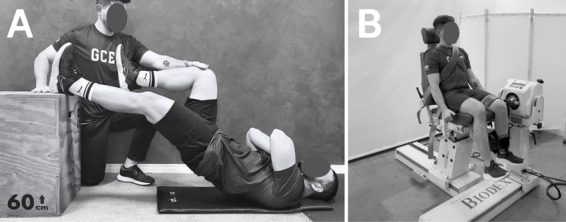
Methods: Forty healthy and physically active men were evaluated at the research laboratory on two separate occasions, with a minimum interval of 48 hours between visits. During each visit, participants performed either the single-leg balance test (SLBT) or the hamstring endurance test on an isokinetic dynamometer, which involved 30 concentric knee flexion repetitions performed at maximum intensity, with an angular velocity of 120°/s and a range of motion of 90°. Correlations were analyzed between SLBT scores and hamstring fatigue indexes provided by peak torque and work outcomes.
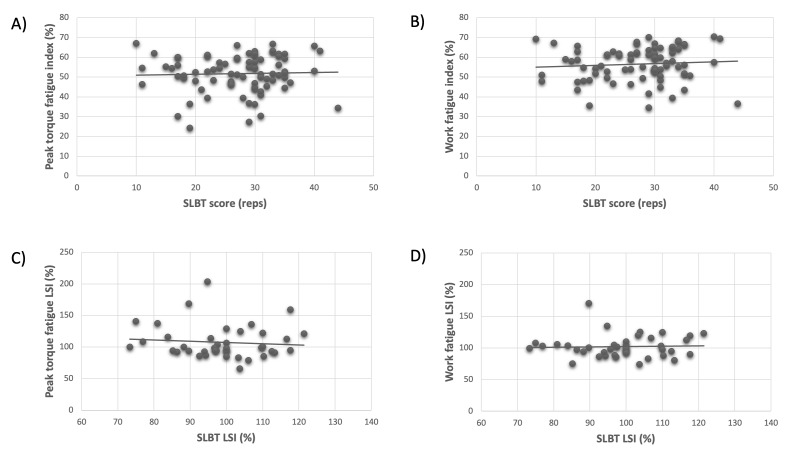
Results: The SLBT score (27±7 reps) demonstrated no significant correlation with isolated hamstring endurance, as measured by isokinetic peak torque (52±9%; p=0.737, r=-0.038) or work (57±9%; p=0.489, r=0.078). Likewise, the limb symmetry index obtained from the SLBT (99±12%) did not significantly correlate with index from the hamstring endurance test: peak torque (107±26%; p=0.540, r=-0.100) and work (102±18%; p=0.849, r=0.031).
Conclusion: The SLBT does not appear to be a suitable tool for measuring isolated hamstring endurance in healthy men.




 京公网安备 11010802042870号
京ICP备2023020795号-1
京公网安备 11010802042870号
京ICP备2023020795号-1

 分享
分享
 求助内容:
求助内容: 应助结果提醒方式:
 扫码关注我们
