David Kiiza, Thomas Denagamage, Greg Kiker, Fiona Maunsell, Renata Serra, Lacey N Harris-Coble, Bibiana Benavides, Jorge A Hernandez
{"title":"卢旺达卢马加纳地区牲畜布鲁氏菌病血清患病率和农民对牛奶销售渠道的选择","authors":"David Kiiza, Thomas Denagamage, Greg Kiker, Fiona Maunsell, Renata Serra, Lacey N Harris-Coble, Bibiana Benavides, Jorge A Hernandez","doi":"10.4269/ajtmh.24-0410","DOIUrl":null,"url":null,"abstract":"<p><p>Brucellosis remains an endemic disease in livestock populations in Rwanda, but the prevalence of the disease varies by geographic region. The common use of informal milk marketing channels represents a health hazard to humans when milk from Brucella-infected cows from one or more households is mixed with milk from other households for human consumption. In Rwanda, knowledge about the burden of brucellosis in livestock and factors associated with farmers' choice of milk marketing channels is very limited. The objectives of this study were 1) to estimate the seroprevalence of brucellosis in livestock in Rwamagana District in Rwanda and 2) to estimate the frequency of and identify determinants associated with farmers' choice of milk marketing channels. The seroprevalence of brucellosis in livestock at the household level was 1/160 (0.6%; 95% CI = 0.1-3.4%). Among 100 households that sold milk, 72 used informal milk trade channels. By the use of logistic regression, milk price and distance to closest milk collection center were positively associated with the use of informal milk marketing channels. Although the seroprevalence of brucellosis in livestock in Rwamagana District was low, the risk of disease transmission to humans through consumption of unpasteurized milk or milk products is not negligible. In this report, we present several policy options available to animal health authorities that can mitigate the risk of brucellosis disease transmission in populations.</p>","PeriodicalId":7752,"journal":{"name":"American Journal of Tropical Medicine and Hygiene","volume":" ","pages":"497-505"},"PeriodicalIF":1.6000,"publicationDate":"2024-12-24","publicationTypes":"Journal Article","fieldsOfStudy":null,"isOpenAccess":false,"openAccessPdf":"https://www.ncbi.nlm.nih.gov/pmc/articles/PMC11884291/pdf/","citationCount":"0","resultStr":"{\"title\":\"Seroprevalence of Brucellosis in Livestock and Farmers' Choice of Milk Marketing Channels in Rwamagana District, Rwanda.\",\"authors\":\"David Kiiza, Thomas Denagamage, Greg Kiker, Fiona Maunsell, Renata Serra, Lacey N Harris-Coble, Bibiana Benavides, Jorge A Hernandez\",\"doi\":\"10.4269/ajtmh.24-0410\",\"DOIUrl\":null,\"url\":null,\"abstract\":\"<p><p>Brucellosis remains an endemic disease in livestock populations in Rwanda, but the prevalence of the disease varies by geographic region. The common use of informal milk marketing channels represents a health hazard to humans when milk from Brucella-infected cows from one or more households is mixed with milk from other households for human consumption. In Rwanda, knowledge about the burden of brucellosis in livestock and factors associated with farmers' choice of milk marketing channels is very limited. The objectives of this study were 1) to estimate the seroprevalence of brucellosis in livestock in Rwamagana District in Rwanda and 2) to estimate the frequency of and identify determinants associated with farmers' choice of milk marketing channels. The seroprevalence of brucellosis in livestock at the household level was 1/160 (0.6%; 95% CI = 0.1-3.4%). Among 100 households that sold milk, 72 used informal milk trade channels. By the use of logistic regression, milk price and distance to closest milk collection center were positively associated with the use of informal milk marketing channels. Although the seroprevalence of brucellosis in livestock in Rwamagana District was low, the risk of disease transmission to humans through consumption of unpasteurized milk or milk products is not negligible. In this report, we present several policy options available to animal health authorities that can mitigate the risk of brucellosis disease transmission in populations.</p>\",\"PeriodicalId\":7752,\"journal\":{\"name\":\"American Journal of Tropical Medicine and Hygiene\",\"volume\":\" \",\"pages\":\"497-505\"},\"PeriodicalIF\":1.6000,\"publicationDate\":\"2024-12-24\",\"publicationTypes\":\"Journal Article\",\"fieldsOfStudy\":null,\"isOpenAccess\":false,\"openAccessPdf\":\"https://www.ncbi.nlm.nih.gov/pmc/articles/PMC11884291/pdf/\",\"citationCount\":\"0\",\"resultStr\":null,\"platform\":\"Semanticscholar\",\"paperid\":null,\"PeriodicalName\":\"American Journal of Tropical Medicine and Hygiene\",\"FirstCategoryId\":\"3\",\"ListUrlMain\":\"https://doi.org/10.4269/ajtmh.24-0410\",\"RegionNum\":4,\"RegionCategory\":\"医学\",\"ArticlePicture\":[],\"TitleCN\":null,\"AbstractTextCN\":null,\"PMCID\":null,\"EPubDate\":\"2025/3/5 0:00:00\",\"PubModel\":\"Print\",\"JCR\":\"Q3\",\"JCRName\":\"PUBLIC, ENVIRONMENTAL & OCCUPATIONAL HEALTH\",\"Score\":null,\"Total\":0}","platform":"Semanticscholar","paperid":null,"PeriodicalName":"American Journal of Tropical Medicine and Hygiene","FirstCategoryId":"3","ListUrlMain":"https://doi.org/10.4269/ajtmh.24-0410","RegionNum":4,"RegionCategory":"医学","ArticlePicture":[],"TitleCN":null,"AbstractTextCN":null,"PMCID":null,"EPubDate":"2025/3/5 0:00:00","PubModel":"Print","JCR":"Q3","JCRName":"PUBLIC, ENVIRONMENTAL & OCCUPATIONAL HEALTH","Score":null,"Total":0}
引用次数: 0
摘要
布鲁氏菌病仍然是卢旺达牲畜种群中的一种地方病,但该疾病的流行程度因地理区域而异。当来自一个或多个家庭的感染布鲁氏菌的奶牛的牛奶与来自其他家庭的牛奶混合供人类食用时,通常使用非正式的牛奶销售渠道会对人类健康造成危害。在卢旺达,关于牲畜布鲁氏菌病负担以及与农民选择牛奶销售渠道相关因素的知识非常有限。本研究的目的是1)估计卢旺达鲁马加纳地区牲畜布鲁氏菌病的血清患病率,2)估计农民选择牛奶销售渠道的频率并确定与之相关的决定因素。在家庭水平上,牲畜布鲁氏菌病的血清流行率为1/160 (0.6%;95% ci = 0.1-3.4%)。在100个出售牛奶的家庭中,有72个使用了非正式的牛奶贸易渠道。通过使用logistic回归,牛奶价格和到最近的牛奶收集中心的距离与使用非正式牛奶营销渠道呈正相关。虽然卢马加纳县牲畜中布鲁氏菌病的血清流行率较低,但通过食用未经巴氏消毒的牛奶或奶制品将疾病传播给人类的风险不容忽视。在本报告中,我们向动物卫生主管部门提出了可以减轻布鲁氏菌病在人群中传播风险的若干政策选择。
Seroprevalence of Brucellosis in Livestock and Farmers' Choice of Milk Marketing Channels in Rwamagana District, Rwanda.
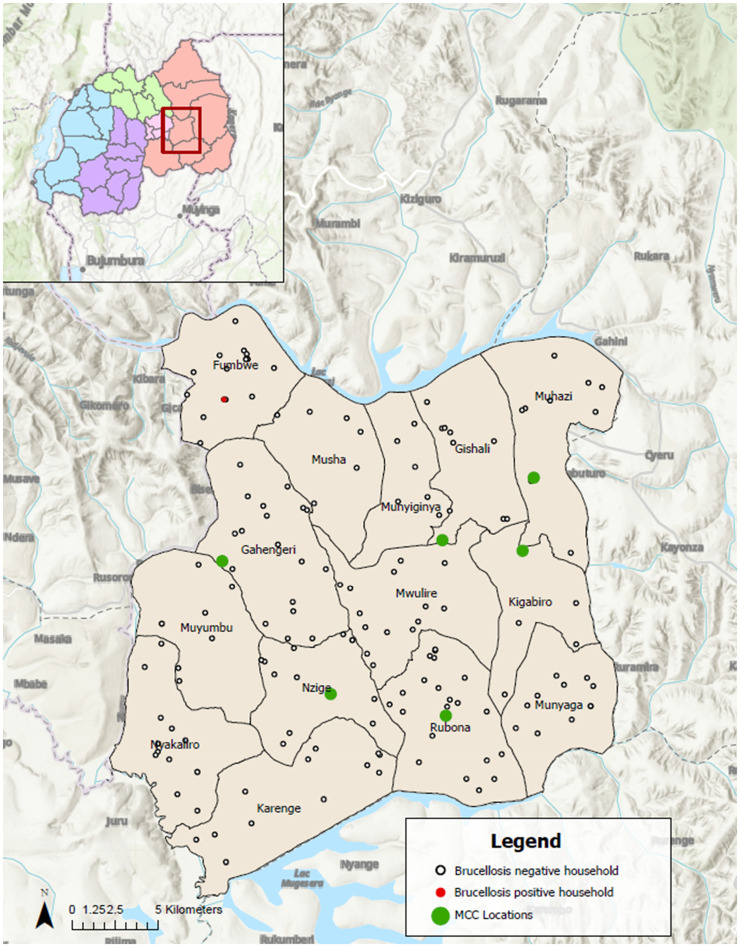
Brucellosis remains an endemic disease in livestock populations in Rwanda, but the prevalence of the disease varies by geographic region. The common use of informal milk marketing channels represents a health hazard to humans when milk from Brucella-infected cows from one or more households is mixed with milk from other households for human consumption. In Rwanda, knowledge about the burden of brucellosis in livestock and factors associated with farmers' choice of milk marketing channels is very limited. The objectives of this study were 1) to estimate the seroprevalence of brucellosis in livestock in Rwamagana District in Rwanda and 2) to estimate the frequency of and identify determinants associated with farmers' choice of milk marketing channels. The seroprevalence of brucellosis in livestock at the household level was 1/160 (0.6%; 95% CI = 0.1-3.4%). Among 100 households that sold milk, 72 used informal milk trade channels. By the use of logistic regression, milk price and distance to closest milk collection center were positively associated with the use of informal milk marketing channels. Although the seroprevalence of brucellosis in livestock in Rwamagana District was low, the risk of disease transmission to humans through consumption of unpasteurized milk or milk products is not negligible. In this report, we present several policy options available to animal health authorities that can mitigate the risk of brucellosis disease transmission in populations.
期刊介绍:
The American Journal of Tropical Medicine and Hygiene, established in 1921, is published monthly by the American Society of Tropical Medicine and Hygiene. It is among the top-ranked tropical medicine journals in the world publishing original scientific articles and the latest science covering new research with an emphasis on population, clinical and laboratory science and the application of technology in the fields of tropical medicine, parasitology, immunology, infectious diseases, epidemiology, basic and molecular biology, virology and international medicine.
The Journal publishes unsolicited peer-reviewed manuscripts, review articles, short reports, images in Clinical Tropical Medicine, case studies, reports on the efficacy of new drugs and methods of treatment, prevention and control methodologies,new testing methods and equipment, book reports and Letters to the Editor. Topics range from applied epidemiology in such relevant areas as AIDS to the molecular biology of vaccine development.
The Journal is of interest to epidemiologists, parasitologists, virologists, clinicians, entomologists and public health officials who are concerned with health issues of the tropics, developing nations and emerging infectious diseases. Major granting institutions including philanthropic and governmental institutions active in the public health field, and medical and scientific libraries throughout the world purchase the Journal.
Two or more supplements to the Journal on topics of special interest are published annually. These supplements represent comprehensive and multidisciplinary discussions of issues of concern to tropical disease specialists and health issues of developing countries





 京公网安备 11010802042870号
京ICP备2023020795号-1
京公网安备 11010802042870号
京ICP备2023020795号-1

 分享
分享
 求助内容:
求助内容: 应助结果提醒方式:
 扫码关注我们
