Simon Wehden , Helen Garber , Myriam Aichinger , Eva Hempel , Felix Creutzig , Kathryn B. Janda
{"title":"在工作中做改变:在德国安装光伏成为解决技术短缺的环保行为","authors":"Simon Wehden , Helen Garber , Myriam Aichinger , Eva Hempel , Felix Creutzig , Kathryn B. Janda","doi":"10.1016/j.jclepro.2024.144534","DOIUrl":null,"url":null,"abstract":"<div><div>Shortages of skilled workers in vocational jobs constitute critical obstacles to achieving low-carbon transitions in many countries worldwide. Despite its significance, academic research on the role of work in implementing low-carbon transitions remains limited. This study aims to advance the scientific understanding of work and occupational choice from a transition perspective and to provide insights for practice and policymaking into designing effective strategies to address skill shortages. Specifically, we explore factors influencing the decision to enter or not to enter vocational occupations in photovoltaic installation in Germany. For that, we follow a mixed-methods design combining case studies of bottom-up initiatives tackling skill shortages in installation jobs with an online survey among German adolescents. Our findings reveal that photovoltaic installation is particularly appealing to pro-environmental groups, fostering strong efficacy beliefs. They further indicate potential spill-over effects from work to other behavioural roles suggesting a unique intersection between occupational and environmental identities. We also find heightened interest in part-time work in the installation trades, particularly among women and high educated groups. However, a lack of low-threshold entry points, limited part-time opportunities, and a male-dominated industry deter broader engagement in the skilled trades, particularly among women. Since attracting currently non-engaged population segments in vocational occupations is key to growing a sufficiently large installation workforce, policymaking and practice need to act on these barriers, providing more points of contact with the skilled trades, promoting safe spaces and low-threshold opportunities to try out practical craftwork, particularly for women, and developing more flexible labour conditions. Our results further indicate opportunities to broaden popular support for low-carbon transitions by increasing the social recognition of the skilled trades’ crucial role in implementing low-carbon transitions. Work and occupational choice emerge as key components of low-carbon transitions and environmental behaviour highlighting the need for further research across academic communities.</div></div>","PeriodicalId":349,"journal":{"name":"Journal of Cleaner Production","volume":"491 ","pages":"Article 144534"},"PeriodicalIF":10.0000,"publicationDate":"2025-02-01","publicationTypes":"Journal Article","fieldsOfStudy":null,"isOpenAccess":false,"openAccessPdf":"","citationCount":"0","resultStr":"{\"title\":\"Choosing photovoltaics installation as a job emerges as a pro-environmental behaviour in the context of low-carbon transitions' skill shortages in Germany\",\"authors\":\"Simon Wehden , Helen Garber , Myriam Aichinger , Eva Hempel , Felix Creutzig , Kathryn B. Janda\",\"doi\":\"10.1016/j.jclepro.2024.144534\",\"DOIUrl\":null,\"url\":null,\"abstract\":\"<div><div>Shortages of skilled workers in vocational jobs constitute critical obstacles to achieving low-carbon transitions in many countries worldwide. Despite its significance, academic research on the role of work in implementing low-carbon transitions remains limited. This study aims to advance the scientific understanding of work and occupational choice from a transition perspective and to provide insights for practice and policymaking into designing effective strategies to address skill shortages. Specifically, we explore factors influencing the decision to enter or not to enter vocational occupations in photovoltaic installation in Germany. For that, we follow a mixed-methods design combining case studies of bottom-up initiatives tackling skill shortages in installation jobs with an online survey among German adolescents. Our findings reveal that photovoltaic installation is particularly appealing to pro-environmental groups, fostering strong efficacy beliefs. They further indicate potential spill-over effects from work to other behavioural roles suggesting a unique intersection between occupational and environmental identities. We also find heightened interest in part-time work in the installation trades, particularly among women and high educated groups. However, a lack of low-threshold entry points, limited part-time opportunities, and a male-dominated industry deter broader engagement in the skilled trades, particularly among women. Since attracting currently non-engaged population segments in vocational occupations is key to growing a sufficiently large installation workforce, policymaking and practice need to act on these barriers, providing more points of contact with the skilled trades, promoting safe spaces and low-threshold opportunities to try out practical craftwork, particularly for women, and developing more flexible labour conditions. Our results further indicate opportunities to broaden popular support for low-carbon transitions by increasing the social recognition of the skilled trades’ crucial role in implementing low-carbon transitions. Work and occupational choice emerge as key components of low-carbon transitions and environmental behaviour highlighting the need for further research across academic communities.</div></div>\",\"PeriodicalId\":349,\"journal\":{\"name\":\"Journal of Cleaner Production\",\"volume\":\"491 \",\"pages\":\"Article 144534\"},\"PeriodicalIF\":10.0000,\"publicationDate\":\"2025-02-01\",\"publicationTypes\":\"Journal Article\",\"fieldsOfStudy\":null,\"isOpenAccess\":false,\"openAccessPdf\":\"\",\"citationCount\":\"0\",\"resultStr\":null,\"platform\":\"Semanticscholar\",\"paperid\":null,\"PeriodicalName\":\"Journal of Cleaner Production\",\"FirstCategoryId\":\"93\",\"ListUrlMain\":\"https://www.sciencedirect.com/science/article/pii/S0959652624039830\",\"RegionNum\":1,\"RegionCategory\":\"环境科学与生态学\",\"ArticlePicture\":[],\"TitleCN\":null,\"AbstractTextCN\":null,\"PMCID\":null,\"EPubDate\":\"2024/12/28 0:00:00\",\"PubModel\":\"Epub\",\"JCR\":\"Q1\",\"JCRName\":\"ENGINEERING, ENVIRONMENTAL\",\"Score\":null,\"Total\":0}","platform":"Semanticscholar","paperid":null,"PeriodicalName":"Journal of Cleaner Production","FirstCategoryId":"93","ListUrlMain":"https://www.sciencedirect.com/science/article/pii/S0959652624039830","RegionNum":1,"RegionCategory":"环境科学与生态学","ArticlePicture":[],"TitleCN":null,"AbstractTextCN":null,"PMCID":null,"EPubDate":"2024/12/28 0:00:00","PubModel":"Epub","JCR":"Q1","JCRName":"ENGINEERING, ENVIRONMENTAL","Score":null,"Total":0}
Choosing photovoltaics installation as a job emerges as a pro-environmental behaviour in the context of low-carbon transitions' skill shortages in Germany
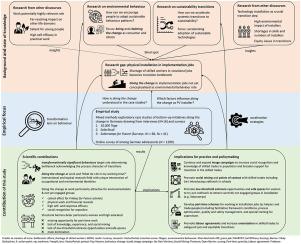
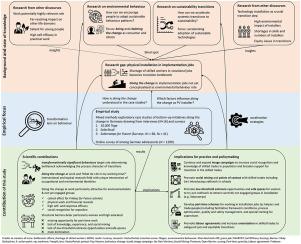
Shortages of skilled workers in vocational jobs constitute critical obstacles to achieving low-carbon transitions in many countries worldwide. Despite its significance, academic research on the role of work in implementing low-carbon transitions remains limited. This study aims to advance the scientific understanding of work and occupational choice from a transition perspective and to provide insights for practice and policymaking into designing effective strategies to address skill shortages. Specifically, we explore factors influencing the decision to enter or not to enter vocational occupations in photovoltaic installation in Germany. For that, we follow a mixed-methods design combining case studies of bottom-up initiatives tackling skill shortages in installation jobs with an online survey among German adolescents. Our findings reveal that photovoltaic installation is particularly appealing to pro-environmental groups, fostering strong efficacy beliefs. They further indicate potential spill-over effects from work to other behavioural roles suggesting a unique intersection between occupational and environmental identities. We also find heightened interest in part-time work in the installation trades, particularly among women and high educated groups. However, a lack of low-threshold entry points, limited part-time opportunities, and a male-dominated industry deter broader engagement in the skilled trades, particularly among women. Since attracting currently non-engaged population segments in vocational occupations is key to growing a sufficiently large installation workforce, policymaking and practice need to act on these barriers, providing more points of contact with the skilled trades, promoting safe spaces and low-threshold opportunities to try out practical craftwork, particularly for women, and developing more flexible labour conditions. Our results further indicate opportunities to broaden popular support for low-carbon transitions by increasing the social recognition of the skilled trades’ crucial role in implementing low-carbon transitions. Work and occupational choice emerge as key components of low-carbon transitions and environmental behaviour highlighting the need for further research across academic communities.
期刊介绍:
The Journal of Cleaner Production is an international, transdisciplinary journal that addresses and discusses theoretical and practical Cleaner Production, Environmental, and Sustainability issues. It aims to help societies become more sustainable by focusing on the concept of 'Cleaner Production', which aims at preventing waste production and increasing efficiencies in energy, water, resources, and human capital use. The journal serves as a platform for corporations, governments, education institutions, regions, and societies to engage in discussions and research related to Cleaner Production, environmental, and sustainability practices.




 京公网安备 11010802042870号
京ICP备2023020795号-1
京公网安备 11010802042870号
京ICP备2023020795号-1

 分享
分享
 求助内容:
求助内容: 应助结果提醒方式:
 扫码关注我们
