{"title":"基于功率图和word2vec的药物-靶标结合亲和力预测。","authors":"Jing Hu, Shuo Hu, Minghao Xia, Kangxing Zheng, Xiaolong Zhang","doi":"10.1186/s12920-024-02073-5","DOIUrl":null,"url":null,"abstract":"<p><strong>Background: </strong>Drug and protein targets affect the physiological functions and metabolic effects of the body through bonding reactions, and accurate prediction of drug-protein target interactions is crucial for drug development. In order to shorten the drug development cycle and reduce costs, machine learning methods are gradually playing an important role in the field of drug-target interactions.</p><p><strong>Results: </strong>Compared with other methods, regression-based drug target affinity is more representative of the binding ability. Accurate prediction of drug target affinity can effectively reduce the time and cost of drug retargeting and new drug development. In this paper, a drug target affinity prediction model (WPGraphDTA) based on power graph and word2vec is proposed.</p><p><strong>Conclusions: </strong>In this model, the drug molecular features in the power graph module are extracted by a graph neural network, and then the protein features are obtained by the Word2vec method. After feature fusion, they are input into the three full connection layers to obtain the drug target affinity prediction value. We conducted experiments on the Davis and Kiba datasets, and the experimental results showed that WPGraphDTA exhibited good prediction performance.</p>","PeriodicalId":8915,"journal":{"name":"BMC Medical Genomics","volume":"18 Suppl 1","pages":"9"},"PeriodicalIF":2.0000,"publicationDate":"2025-01-13","publicationTypes":"Journal Article","fieldsOfStudy":null,"isOpenAccess":false,"openAccessPdf":"https://www.ncbi.nlm.nih.gov/pmc/articles/PMC11730168/pdf/","citationCount":"0","resultStr":"{\"title\":\"Drug-target binding affinity prediction based on power graph and word2vec.\",\"authors\":\"Jing Hu, Shuo Hu, Minghao Xia, Kangxing Zheng, Xiaolong Zhang\",\"doi\":\"10.1186/s12920-024-02073-5\",\"DOIUrl\":null,\"url\":null,\"abstract\":\"<p><strong>Background: </strong>Drug and protein targets affect the physiological functions and metabolic effects of the body through bonding reactions, and accurate prediction of drug-protein target interactions is crucial for drug development. In order to shorten the drug development cycle and reduce costs, machine learning methods are gradually playing an important role in the field of drug-target interactions.</p><p><strong>Results: </strong>Compared with other methods, regression-based drug target affinity is more representative of the binding ability. Accurate prediction of drug target affinity can effectively reduce the time and cost of drug retargeting and new drug development. In this paper, a drug target affinity prediction model (WPGraphDTA) based on power graph and word2vec is proposed.</p><p><strong>Conclusions: </strong>In this model, the drug molecular features in the power graph module are extracted by a graph neural network, and then the protein features are obtained by the Word2vec method. After feature fusion, they are input into the three full connection layers to obtain the drug target affinity prediction value. We conducted experiments on the Davis and Kiba datasets, and the experimental results showed that WPGraphDTA exhibited good prediction performance.</p>\",\"PeriodicalId\":8915,\"journal\":{\"name\":\"BMC Medical Genomics\",\"volume\":\"18 Suppl 1\",\"pages\":\"9\"},\"PeriodicalIF\":2.0000,\"publicationDate\":\"2025-01-13\",\"publicationTypes\":\"Journal Article\",\"fieldsOfStudy\":null,\"isOpenAccess\":false,\"openAccessPdf\":\"https://www.ncbi.nlm.nih.gov/pmc/articles/PMC11730168/pdf/\",\"citationCount\":\"0\",\"resultStr\":null,\"platform\":\"Semanticscholar\",\"paperid\":null,\"PeriodicalName\":\"BMC Medical Genomics\",\"FirstCategoryId\":\"3\",\"ListUrlMain\":\"https://doi.org/10.1186/s12920-024-02073-5\",\"RegionNum\":4,\"RegionCategory\":\"医学\",\"ArticlePicture\":[],\"TitleCN\":null,\"AbstractTextCN\":null,\"PMCID\":null,\"EPubDate\":\"\",\"PubModel\":\"\",\"JCR\":\"Q3\",\"JCRName\":\"GENETICS & HEREDITY\",\"Score\":null,\"Total\":0}","platform":"Semanticscholar","paperid":null,"PeriodicalName":"BMC Medical Genomics","FirstCategoryId":"3","ListUrlMain":"https://doi.org/10.1186/s12920-024-02073-5","RegionNum":4,"RegionCategory":"医学","ArticlePicture":[],"TitleCN":null,"AbstractTextCN":null,"PMCID":null,"EPubDate":"","PubModel":"","JCR":"Q3","JCRName":"GENETICS & HEREDITY","Score":null,"Total":0}
Drug-target binding affinity prediction based on power graph and word2vec.
Background: Drug and protein targets affect the physiological functions and metabolic effects of the body through bonding reactions, and accurate prediction of drug-protein target interactions is crucial for drug development. In order to shorten the drug development cycle and reduce costs, machine learning methods are gradually playing an important role in the field of drug-target interactions.
Results: Compared with other methods, regression-based drug target affinity is more representative of the binding ability. Accurate prediction of drug target affinity can effectively reduce the time and cost of drug retargeting and new drug development. In this paper, a drug target affinity prediction model (WPGraphDTA) based on power graph and word2vec is proposed.
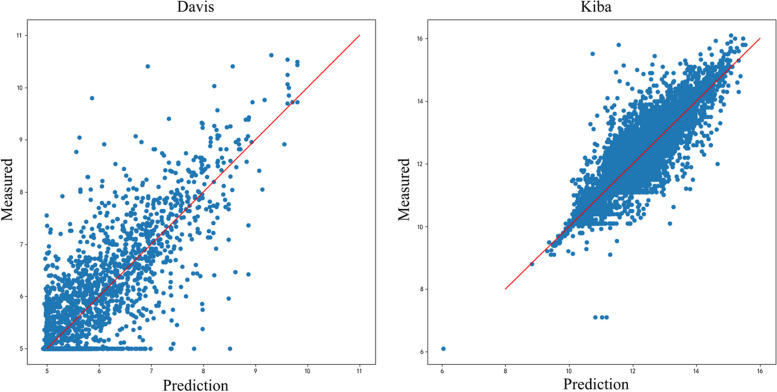
Conclusions: In this model, the drug molecular features in the power graph module are extracted by a graph neural network, and then the protein features are obtained by the Word2vec method. After feature fusion, they are input into the three full connection layers to obtain the drug target affinity prediction value. We conducted experiments on the Davis and Kiba datasets, and the experimental results showed that WPGraphDTA exhibited good prediction performance.
期刊介绍:
BMC Medical Genomics is an open access journal publishing original peer-reviewed research articles in all aspects of functional genomics, genome structure, genome-scale population genetics, epigenomics, proteomics, systems analysis, and pharmacogenomics in relation to human health and disease.






 京公网安备 11010802042870号
京ICP备2023020795号-1
京公网安备 11010802042870号
京ICP备2023020795号-1

 分享
分享
 求助内容:
求助内容: 应助结果提醒方式:
 扫码关注我们
