Antonio Preti, Francesco Bevione, Maria Carla Lacidogna, Andrea Raballo, Michele Poletti, Giovanni Abbate-Daga
{"title":"进食障碍的早期干预:时间病理学介绍。","authors":"Antonio Preti, Francesco Bevione, Maria Carla Lacidogna, Andrea Raballo, Michele Poletti, Giovanni Abbate-Daga","doi":"10.1007/s40519-025-01715-6","DOIUrl":null,"url":null,"abstract":"<p><p>Eating disorders (EDs) pose significant challenges to mental and physical health, particularly among adolescents and young adults, with the COVID-19 pandemic exacerbating risk factors. Despite advancements in psychosocial and pharmacological treatments, improvements remain limited. Early intervention in EDs, inspired by the model developed for psychosis, emphasizes the importance of timely identification and treatment initiation to improve prognosis. Challenges in identifying prodromal phases and measuring the duration of untreated illness highlight the complexity of early intervention efforts in EDs. Current research focuses on reducing the duration of untreated eating disorder (DUED) and understanding the cognitive and behavioral symptoms preceding ED onset. However, current early intervention programs for EDs showed mixed results, necessitating further investigation. We introduce here the chronopathogram, a tool that may aid in precisely investigating the role of development in EDs. A chronopathogram is a graphical representation of pathological events as they unfold over time. Understanding the neurodevelopmental aspects of EDs and utilizing tools like the chronopathogram can aid in tracking the unfolding of symptoms over time, facilitating early detection and intervention efforts. Overall, addressing the key factors influencing the onset and course of EDs is essential for effective early intervention in these conditions.Level of evidence: Level V narrative review.</p>","PeriodicalId":11391,"journal":{"name":"Eating and Weight Disorders - Studies on Anorexia, Bulimia and Obesity","volume":"30 1","pages":"9"},"PeriodicalIF":2.8000,"publicationDate":"2025-01-23","publicationTypes":"Journal Article","fieldsOfStudy":null,"isOpenAccess":false,"openAccessPdf":"https://www.ncbi.nlm.nih.gov/pmc/articles/PMC11759457/pdf/","citationCount":"0","resultStr":"{\"title\":\"Early intervention in eating disorders: introducing the chronopathogram.\",\"authors\":\"Antonio Preti, Francesco Bevione, Maria Carla Lacidogna, Andrea Raballo, Michele Poletti, Giovanni Abbate-Daga\",\"doi\":\"10.1007/s40519-025-01715-6\",\"DOIUrl\":null,\"url\":null,\"abstract\":\"<p><p>Eating disorders (EDs) pose significant challenges to mental and physical health, particularly among adolescents and young adults, with the COVID-19 pandemic exacerbating risk factors. Despite advancements in psychosocial and pharmacological treatments, improvements remain limited. Early intervention in EDs, inspired by the model developed for psychosis, emphasizes the importance of timely identification and treatment initiation to improve prognosis. Challenges in identifying prodromal phases and measuring the duration of untreated illness highlight the complexity of early intervention efforts in EDs. Current research focuses on reducing the duration of untreated eating disorder (DUED) and understanding the cognitive and behavioral symptoms preceding ED onset. However, current early intervention programs for EDs showed mixed results, necessitating further investigation. We introduce here the chronopathogram, a tool that may aid in precisely investigating the role of development in EDs. A chronopathogram is a graphical representation of pathological events as they unfold over time. Understanding the neurodevelopmental aspects of EDs and utilizing tools like the chronopathogram can aid in tracking the unfolding of symptoms over time, facilitating early detection and intervention efforts. Overall, addressing the key factors influencing the onset and course of EDs is essential for effective early intervention in these conditions.Level of evidence: Level V narrative review.</p>\",\"PeriodicalId\":11391,\"journal\":{\"name\":\"Eating and Weight Disorders - Studies on Anorexia, Bulimia and Obesity\",\"volume\":\"30 1\",\"pages\":\"9\"},\"PeriodicalIF\":2.8000,\"publicationDate\":\"2025-01-23\",\"publicationTypes\":\"Journal Article\",\"fieldsOfStudy\":null,\"isOpenAccess\":false,\"openAccessPdf\":\"https://www.ncbi.nlm.nih.gov/pmc/articles/PMC11759457/pdf/\",\"citationCount\":\"0\",\"resultStr\":null,\"platform\":\"Semanticscholar\",\"paperid\":null,\"PeriodicalName\":\"Eating and Weight Disorders - Studies on Anorexia, Bulimia and Obesity\",\"FirstCategoryId\":\"3\",\"ListUrlMain\":\"https://doi.org/10.1007/s40519-025-01715-6\",\"RegionNum\":3,\"RegionCategory\":\"医学\",\"ArticlePicture\":[],\"TitleCN\":null,\"AbstractTextCN\":null,\"PMCID\":null,\"EPubDate\":\"\",\"PubModel\":\"\",\"JCR\":\"Q2\",\"JCRName\":\"PSYCHIATRY\",\"Score\":null,\"Total\":0}","platform":"Semanticscholar","paperid":null,"PeriodicalName":"Eating and Weight Disorders - Studies on Anorexia, Bulimia and Obesity","FirstCategoryId":"3","ListUrlMain":"https://doi.org/10.1007/s40519-025-01715-6","RegionNum":3,"RegionCategory":"医学","ArticlePicture":[],"TitleCN":null,"AbstractTextCN":null,"PMCID":null,"EPubDate":"","PubModel":"","JCR":"Q2","JCRName":"PSYCHIATRY","Score":null,"Total":0}
Early intervention in eating disorders: introducing the chronopathogram.
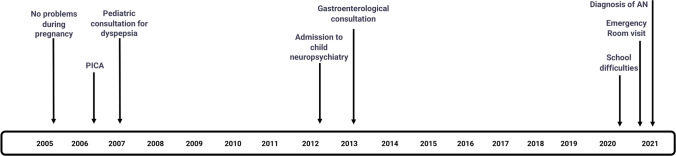
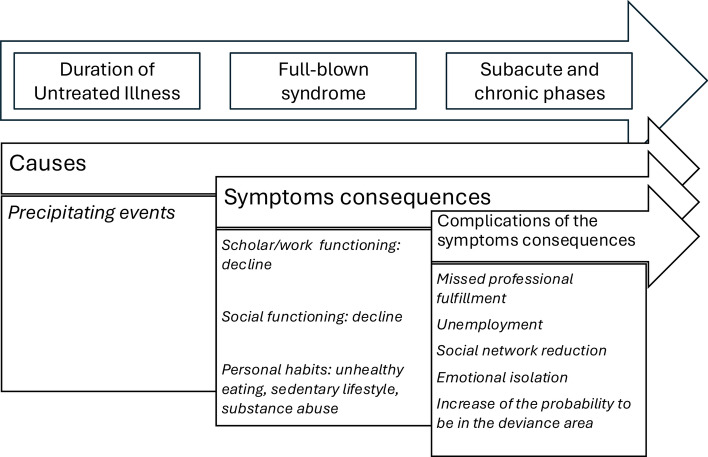
Eating disorders (EDs) pose significant challenges to mental and physical health, particularly among adolescents and young adults, with the COVID-19 pandemic exacerbating risk factors. Despite advancements in psychosocial and pharmacological treatments, improvements remain limited. Early intervention in EDs, inspired by the model developed for psychosis, emphasizes the importance of timely identification and treatment initiation to improve prognosis. Challenges in identifying prodromal phases and measuring the duration of untreated illness highlight the complexity of early intervention efforts in EDs. Current research focuses on reducing the duration of untreated eating disorder (DUED) and understanding the cognitive and behavioral symptoms preceding ED onset. However, current early intervention programs for EDs showed mixed results, necessitating further investigation. We introduce here the chronopathogram, a tool that may aid in precisely investigating the role of development in EDs. A chronopathogram is a graphical representation of pathological events as they unfold over time. Understanding the neurodevelopmental aspects of EDs and utilizing tools like the chronopathogram can aid in tracking the unfolding of symptoms over time, facilitating early detection and intervention efforts. Overall, addressing the key factors influencing the onset and course of EDs is essential for effective early intervention in these conditions.Level of evidence: Level V narrative review.
期刊介绍:
Eating and Weight Disorders - Studies on Anorexia, Bulimia and Obesity is a scientific journal whose main purpose is to create an international forum devoted to the several sectors of eating disorders and obesity and the significant relations between them. The journal publishes basic research, clinical and theoretical articles on eating disorders and weight-related problems: anorexia nervosa, bulimia nervosa, subthreshold eating disorders, obesity, atypical patterns of eating behaviour and body weight regulation in clinical and non-clinical populations.




 京公网安备 11010802042870号
京ICP备2023020795号-1
京公网安备 11010802042870号
京ICP备2023020795号-1

 分享
分享
 求助内容:
求助内容: 应助结果提醒方式:
 扫码关注我们
