Bradford L Therrell, Carmencita D Padilla, Michelle E Abadingo, Shree Prasad Adhikari, Thuza Aung, Thet Thet Aye, Sanjoy Kumer Dey, Muhammad Faizi, Erdenetuya Ganbaatar, Tran Thi Huong Giang, Hoang Thu Hang, Rathmony Heng, Seema Kapoor, Khurelbaatar Nyamdavaa, Prajwal Paudel, Kimyi Phou, Aman B Pulungan, Chittaphone Sayyavong, Salimah R Walani, Tariq Zafar
{"title":"亚太地区发展中国家新生儿血斑综合筛查工作-2024年。","authors":"Bradford L Therrell, Carmencita D Padilla, Michelle E Abadingo, Shree Prasad Adhikari, Thuza Aung, Thet Thet Aye, Sanjoy Kumer Dey, Muhammad Faizi, Erdenetuya Ganbaatar, Tran Thi Huong Giang, Hoang Thu Hang, Rathmony Heng, Seema Kapoor, Khurelbaatar Nyamdavaa, Prajwal Paudel, Kimyi Phou, Aman B Pulungan, Chittaphone Sayyavong, Salimah R Walani, Tariq Zafar","doi":"10.3390/ijns11010002","DOIUrl":null,"url":null,"abstract":"<p><p>Approximately half of all births globally occur in the Asia Pacific Region. Concerted efforts to support local activities aimed at developing national newborn screening (NBS) have been ongoing for almost 30 years, first by the International Atomic Energy Agency (IAEA) and then through volunteer efforts. Sustainable newborn bloodspot screening (NBS) continues to be initiated and develop in many of the countries with developing economies in the region. Since the discontinuation of IAEA funding in 2007, a working group of the Asia Pacific Society of Human Genetics (APSHG) consisting of interested representatives from countries in the region with less than 50% NBS coverage has participated in periodic workshops to exchange information, set goals, and provide peer support. Facilitated by international NBS experts, interested corporate sponsors, and the APSHG, the 7th workshop of representatives from 10 East Asian countries with developing NBS systems was recently held in Kathmandu, Nepal. This report summarizes the NBS activities in these countries and describes the continuing efforts to move NBS ahead in the region.</p>","PeriodicalId":14159,"journal":{"name":"International Journal of Neonatal Screening","volume":"11 1","pages":""},"PeriodicalIF":3.5000,"publicationDate":"2024-12-30","publicationTypes":"Journal Article","fieldsOfStudy":null,"isOpenAccess":false,"openAccessPdf":"https://www.ncbi.nlm.nih.gov/pmc/articles/PMC11755638/pdf/","citationCount":"0","resultStr":"{\"title\":\"Consolidated Newborn Bloodspot Screening Efforts in Developing Countries in the Asia Pacific-2024.\",\"authors\":\"Bradford L Therrell, Carmencita D Padilla, Michelle E Abadingo, Shree Prasad Adhikari, Thuza Aung, Thet Thet Aye, Sanjoy Kumer Dey, Muhammad Faizi, Erdenetuya Ganbaatar, Tran Thi Huong Giang, Hoang Thu Hang, Rathmony Heng, Seema Kapoor, Khurelbaatar Nyamdavaa, Prajwal Paudel, Kimyi Phou, Aman B Pulungan, Chittaphone Sayyavong, Salimah R Walani, Tariq Zafar\",\"doi\":\"10.3390/ijns11010002\",\"DOIUrl\":null,\"url\":null,\"abstract\":\"<p><p>Approximately half of all births globally occur in the Asia Pacific Region. Concerted efforts to support local activities aimed at developing national newborn screening (NBS) have been ongoing for almost 30 years, first by the International Atomic Energy Agency (IAEA) and then through volunteer efforts. Sustainable newborn bloodspot screening (NBS) continues to be initiated and develop in many of the countries with developing economies in the region. Since the discontinuation of IAEA funding in 2007, a working group of the Asia Pacific Society of Human Genetics (APSHG) consisting of interested representatives from countries in the region with less than 50% NBS coverage has participated in periodic workshops to exchange information, set goals, and provide peer support. Facilitated by international NBS experts, interested corporate sponsors, and the APSHG, the 7th workshop of representatives from 10 East Asian countries with developing NBS systems was recently held in Kathmandu, Nepal. This report summarizes the NBS activities in these countries and describes the continuing efforts to move NBS ahead in the region.</p>\",\"PeriodicalId\":14159,\"journal\":{\"name\":\"International Journal of Neonatal Screening\",\"volume\":\"11 1\",\"pages\":\"\"},\"PeriodicalIF\":3.5000,\"publicationDate\":\"2024-12-30\",\"publicationTypes\":\"Journal Article\",\"fieldsOfStudy\":null,\"isOpenAccess\":false,\"openAccessPdf\":\"https://www.ncbi.nlm.nih.gov/pmc/articles/PMC11755638/pdf/\",\"citationCount\":\"0\",\"resultStr\":null,\"platform\":\"Semanticscholar\",\"paperid\":null,\"PeriodicalName\":\"International Journal of Neonatal Screening\",\"FirstCategoryId\":\"1085\",\"ListUrlMain\":\"https://doi.org/10.3390/ijns11010002\",\"RegionNum\":0,\"RegionCategory\":null,\"ArticlePicture\":[],\"TitleCN\":null,\"AbstractTextCN\":null,\"PMCID\":null,\"EPubDate\":\"\",\"PubModel\":\"\",\"JCR\":\"Q1\",\"JCRName\":\"GENETICS & HEREDITY\",\"Score\":null,\"Total\":0}","platform":"Semanticscholar","paperid":null,"PeriodicalName":"International Journal of Neonatal Screening","FirstCategoryId":"1085","ListUrlMain":"https://doi.org/10.3390/ijns11010002","RegionNum":0,"RegionCategory":null,"ArticlePicture":[],"TitleCN":null,"AbstractTextCN":null,"PMCID":null,"EPubDate":"","PubModel":"","JCR":"Q1","JCRName":"GENETICS & HEREDITY","Score":null,"Total":0}
Consolidated Newborn Bloodspot Screening Efforts in Developing Countries in the Asia Pacific-2024.
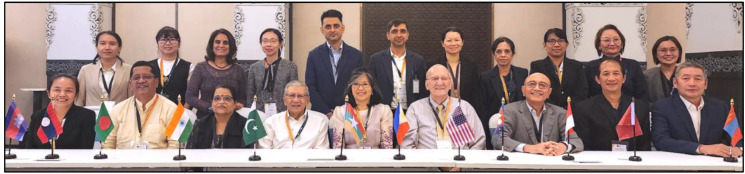
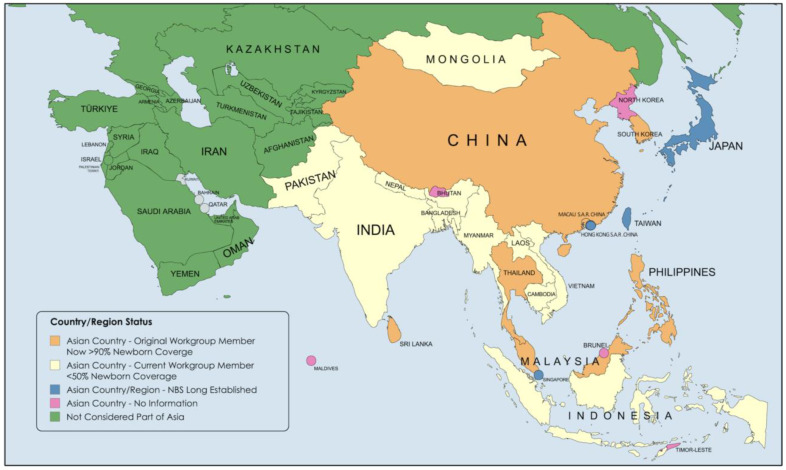
Approximately half of all births globally occur in the Asia Pacific Region. Concerted efforts to support local activities aimed at developing national newborn screening (NBS) have been ongoing for almost 30 years, first by the International Atomic Energy Agency (IAEA) and then through volunteer efforts. Sustainable newborn bloodspot screening (NBS) continues to be initiated and develop in many of the countries with developing economies in the region. Since the discontinuation of IAEA funding in 2007, a working group of the Asia Pacific Society of Human Genetics (APSHG) consisting of interested representatives from countries in the region with less than 50% NBS coverage has participated in periodic workshops to exchange information, set goals, and provide peer support. Facilitated by international NBS experts, interested corporate sponsors, and the APSHG, the 7th workshop of representatives from 10 East Asian countries with developing NBS systems was recently held in Kathmandu, Nepal. This report summarizes the NBS activities in these countries and describes the continuing efforts to move NBS ahead in the region.





 京公网安备 11010802042870号
京ICP备2023020795号-1
京公网安备 11010802042870号
京ICP备2023020795号-1

 分享
分享
 求助内容:
求助内容: 应助结果提醒方式:
 扫码关注我们
