{"title":"格列齐特通过抑制氧化应激和caspase-3来保护电离辐射诱导的小鼠肠道损伤。","authors":"Soroush Arzani, Soghra Farzipour, Fereshteh Talebpour Amiri, Seyed Jalal Hosseinimehr","doi":"10.5114/bta.2024.145257","DOIUrl":null,"url":null,"abstract":"<p><p>Gliclazide (GLZ), an oral antihyperglycemic medication, has additional beneficial effects, such as anti-inflammatory and antioxidant properties, besides lowering blood glucose levels. In this study, the radio-protective effect of GLZ was evaluated against ionizing radiation (IR)-induced intestinal injury in mice. Eight groups of mice were randomized as follows: control, GLZ (5, 10, and 25 mg/kg), IR (6 Gy), and IR + GLZ (at 5, 10, and 25 mg/kg). GLZ was administered to the mice for eight consecutive days, after which they were exposed to X-rays at a single dose of 6 Gy. After irradiation, biochemical parameters, immunohistochemical, and histological examinations were conducted on the ileum of the mice. IR exposure increased the levels of malondialdehyde and protein carbonyl, while glutathione levels, as oxidative stress biomarkers, decreased. Apoptosis in ileum tissues was also assessed. Furthermore, histopathological changes were observed in the irradiated mice. GLZ treatment significantly mitigated these changes. The administration of GLZ resulted in a marked decrease in caspase-3 immunoreactivity in the ileum of irradiated mice. This preclinical study exhibited that GLZ has a radioprotective effect against intestinal injury by inhibiting oxidative stress and apoptosis.</p>","PeriodicalId":94371,"journal":{"name":"Biotechnologia","volume":"105 4","pages":"367-376"},"PeriodicalIF":0.0000,"publicationDate":"2024-12-19","publicationTypes":"Journal Article","fieldsOfStudy":null,"isOpenAccess":false,"openAccessPdf":"https://www.ncbi.nlm.nih.gov/pmc/articles/PMC11748219/pdf/","citationCount":"0","resultStr":"{\"title\":\"Gliclazide protects ionizing radiation-induced intestinal injury in mice by inhibiting oxidative stress and caspase-3.\",\"authors\":\"Soroush Arzani, Soghra Farzipour, Fereshteh Talebpour Amiri, Seyed Jalal Hosseinimehr\",\"doi\":\"10.5114/bta.2024.145257\",\"DOIUrl\":null,\"url\":null,\"abstract\":\"<p><p>Gliclazide (GLZ), an oral antihyperglycemic medication, has additional beneficial effects, such as anti-inflammatory and antioxidant properties, besides lowering blood glucose levels. In this study, the radio-protective effect of GLZ was evaluated against ionizing radiation (IR)-induced intestinal injury in mice. Eight groups of mice were randomized as follows: control, GLZ (5, 10, and 25 mg/kg), IR (6 Gy), and IR + GLZ (at 5, 10, and 25 mg/kg). GLZ was administered to the mice for eight consecutive days, after which they were exposed to X-rays at a single dose of 6 Gy. After irradiation, biochemical parameters, immunohistochemical, and histological examinations were conducted on the ileum of the mice. IR exposure increased the levels of malondialdehyde and protein carbonyl, while glutathione levels, as oxidative stress biomarkers, decreased. Apoptosis in ileum tissues was also assessed. Furthermore, histopathological changes were observed in the irradiated mice. GLZ treatment significantly mitigated these changes. The administration of GLZ resulted in a marked decrease in caspase-3 immunoreactivity in the ileum of irradiated mice. This preclinical study exhibited that GLZ has a radioprotective effect against intestinal injury by inhibiting oxidative stress and apoptosis.</p>\",\"PeriodicalId\":94371,\"journal\":{\"name\":\"Biotechnologia\",\"volume\":\"105 4\",\"pages\":\"367-376\"},\"PeriodicalIF\":0.0000,\"publicationDate\":\"2024-12-19\",\"publicationTypes\":\"Journal Article\",\"fieldsOfStudy\":null,\"isOpenAccess\":false,\"openAccessPdf\":\"https://www.ncbi.nlm.nih.gov/pmc/articles/PMC11748219/pdf/\",\"citationCount\":\"0\",\"resultStr\":null,\"platform\":\"Semanticscholar\",\"paperid\":null,\"PeriodicalName\":\"Biotechnologia\",\"FirstCategoryId\":\"1085\",\"ListUrlMain\":\"https://doi.org/10.5114/bta.2024.145257\",\"RegionNum\":0,\"RegionCategory\":null,\"ArticlePicture\":[],\"TitleCN\":null,\"AbstractTextCN\":null,\"PMCID\":null,\"EPubDate\":\"2024/1/1 0:00:00\",\"PubModel\":\"eCollection\",\"JCR\":\"\",\"JCRName\":\"\",\"Score\":null,\"Total\":0}","platform":"Semanticscholar","paperid":null,"PeriodicalName":"Biotechnologia","FirstCategoryId":"1085","ListUrlMain":"https://doi.org/10.5114/bta.2024.145257","RegionNum":0,"RegionCategory":null,"ArticlePicture":[],"TitleCN":null,"AbstractTextCN":null,"PMCID":null,"EPubDate":"2024/1/1 0:00:00","PubModel":"eCollection","JCR":"","JCRName":"","Score":null,"Total":0}
Gliclazide protects ionizing radiation-induced intestinal injury in mice by inhibiting oxidative stress and caspase-3.
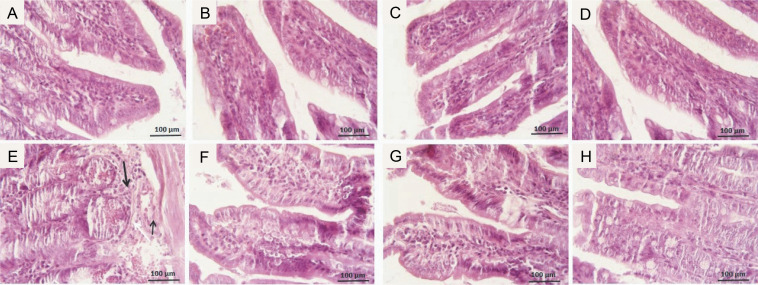
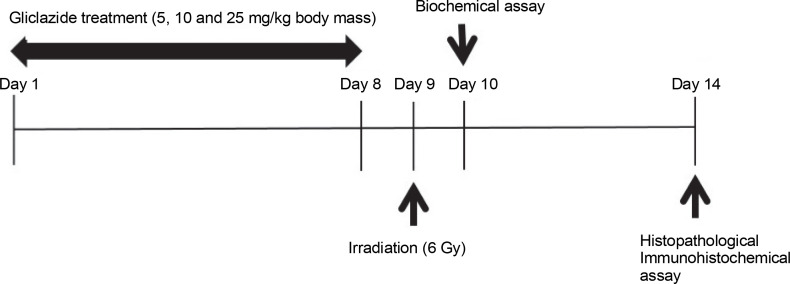
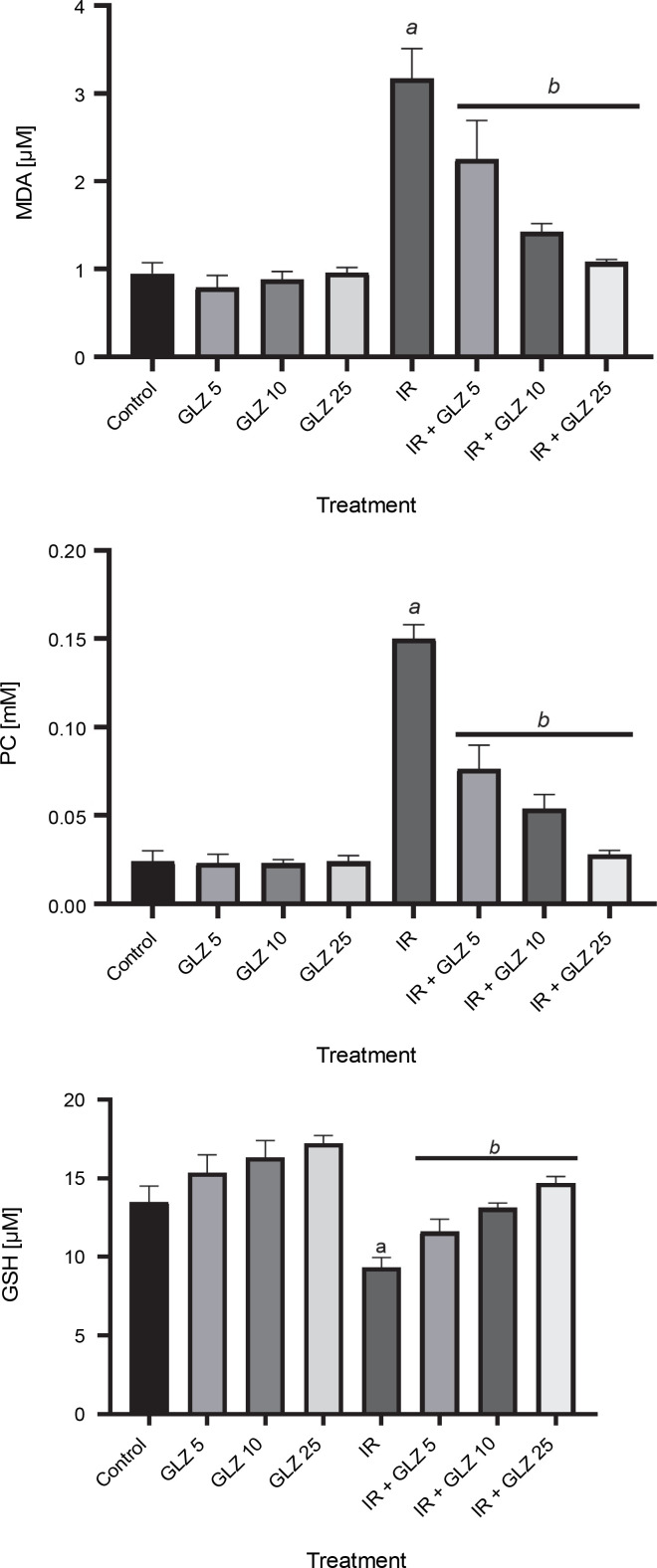
Gliclazide (GLZ), an oral antihyperglycemic medication, has additional beneficial effects, such as anti-inflammatory and antioxidant properties, besides lowering blood glucose levels. In this study, the radio-protective effect of GLZ was evaluated against ionizing radiation (IR)-induced intestinal injury in mice. Eight groups of mice were randomized as follows: control, GLZ (5, 10, and 25 mg/kg), IR (6 Gy), and IR + GLZ (at 5, 10, and 25 mg/kg). GLZ was administered to the mice for eight consecutive days, after which they were exposed to X-rays at a single dose of 6 Gy. After irradiation, biochemical parameters, immunohistochemical, and histological examinations were conducted on the ileum of the mice. IR exposure increased the levels of malondialdehyde and protein carbonyl, while glutathione levels, as oxidative stress biomarkers, decreased. Apoptosis in ileum tissues was also assessed. Furthermore, histopathological changes were observed in the irradiated mice. GLZ treatment significantly mitigated these changes. The administration of GLZ resulted in a marked decrease in caspase-3 immunoreactivity in the ileum of irradiated mice. This preclinical study exhibited that GLZ has a radioprotective effect against intestinal injury by inhibiting oxidative stress and apoptosis.




 京公网安备 11010802042870号
京ICP备2023020795号-1
京公网安备 11010802042870号
京ICP备2023020795号-1

 分享
分享

 求助内容:
求助内容: 应助结果提醒方式:
 扫码关注我们
