{"title":"菊花冲剂情感词汇感应轮开发的探索性研究","authors":"Yixun Xia , Jiaoliang Hou , Jia Chen , Charles Spence , Jiayi Qian , Feifei Zhao , Gangqiang Dong , Fang Zhong","doi":"10.1016/j.foodres.2024.115428","DOIUrl":null,"url":null,"abstract":"<div><div>Chrysanthemum infusion has gained popularity outside of the East Asian market in recent years. However, despite the growing international demand, standardized methods to evaluate the sensory attributes of chrysanthemum tea, which are essential for guiding consumers and ensuring quality control, remain underdeveloped. In this study, a trained panel conducted a quantitative descriptive analysis (QDA®) of eight chrysanthemum samples, successfully distinguishing between them. Additionally, consumer emotional responses to chrysanthemum infusion were assessed using the Check-All-That-Apply (CATA) method. By mapping the descriptive sensory data with emotional response data through Partial Least Squares Regression (PLSR), we identified sensory drivers that elicit specific emotional responses. For this analysis, the emotion lexicon from EsSense25 was clustered into six dimensions: pleasant, tame, warm, active, negative, and bored. Our findings indicate that attributes such as smoothness and chrysanthemum-cucumber flavour induce calm and reassuring emotions (e.g., secure, understanding, calm, and tame). Conversely, sweetness and floral flavour are associated with positive emotions such as happiness, joy, and general well-being, suggesting that floral sweet beverages can mitigate negative emotions. However, sensory attributes such as bitterness, astringency, and vegetal aroma were linked to negative emotions and were sometimes associated with feelings of activity. The development of a sensory wheel, integrated with the emotional lexicon for chrysanthemum infusion, provides a tool for identifying sensory drivers behind emotional experiences. This tool offers valuable insights for market applications and product development, enhancing consumer satisfaction by aligning product attributes with desired emotional outcomes.</div></div>","PeriodicalId":323,"journal":{"name":"Food Research International","volume":"201 ","pages":"Article 115428"},"PeriodicalIF":8.8000,"publicationDate":"2025-02-01","publicationTypes":"Journal Article","fieldsOfStudy":null,"isOpenAccess":false,"openAccessPdf":"","citationCount":"0","resultStr":"{\"title\":\"An exploratory study on the development of a sensory wheel affiliated with the emotional lexicon for chrysanthemum infusion\",\"authors\":\"Yixun Xia , Jiaoliang Hou , Jia Chen , Charles Spence , Jiayi Qian , Feifei Zhao , Gangqiang Dong , Fang Zhong\",\"doi\":\"10.1016/j.foodres.2024.115428\",\"DOIUrl\":null,\"url\":null,\"abstract\":\"<div><div>Chrysanthemum infusion has gained popularity outside of the East Asian market in recent years. However, despite the growing international demand, standardized methods to evaluate the sensory attributes of chrysanthemum tea, which are essential for guiding consumers and ensuring quality control, remain underdeveloped. In this study, a trained panel conducted a quantitative descriptive analysis (QDA®) of eight chrysanthemum samples, successfully distinguishing between them. Additionally, consumer emotional responses to chrysanthemum infusion were assessed using the Check-All-That-Apply (CATA) method. By mapping the descriptive sensory data with emotional response data through Partial Least Squares Regression (PLSR), we identified sensory drivers that elicit specific emotional responses. For this analysis, the emotion lexicon from EsSense25 was clustered into six dimensions: pleasant, tame, warm, active, negative, and bored. Our findings indicate that attributes such as smoothness and chrysanthemum-cucumber flavour induce calm and reassuring emotions (e.g., secure, understanding, calm, and tame). Conversely, sweetness and floral flavour are associated with positive emotions such as happiness, joy, and general well-being, suggesting that floral sweet beverages can mitigate negative emotions. However, sensory attributes such as bitterness, astringency, and vegetal aroma were linked to negative emotions and were sometimes associated with feelings of activity. The development of a sensory wheel, integrated with the emotional lexicon for chrysanthemum infusion, provides a tool for identifying sensory drivers behind emotional experiences. This tool offers valuable insights for market applications and product development, enhancing consumer satisfaction by aligning product attributes with desired emotional outcomes.</div></div>\",\"PeriodicalId\":323,\"journal\":{\"name\":\"Food Research International\",\"volume\":\"201 \",\"pages\":\"Article 115428\"},\"PeriodicalIF\":8.8000,\"publicationDate\":\"2025-02-01\",\"publicationTypes\":\"Journal Article\",\"fieldsOfStudy\":null,\"isOpenAccess\":false,\"openAccessPdf\":\"\",\"citationCount\":\"0\",\"resultStr\":null,\"platform\":\"Semanticscholar\",\"paperid\":null,\"PeriodicalName\":\"Food Research International\",\"FirstCategoryId\":\"97\",\"ListUrlMain\":\"https://www.sciencedirect.com/science/article/pii/S0963996924014984\",\"RegionNum\":1,\"RegionCategory\":\"农林科学\",\"ArticlePicture\":[],\"TitleCN\":null,\"AbstractTextCN\":null,\"PMCID\":null,\"EPubDate\":\"2024/12/18 0:00:00\",\"PubModel\":\"Epub\",\"JCR\":\"Q1\",\"JCRName\":\"FOOD SCIENCE & TECHNOLOGY\",\"Score\":null,\"Total\":0}","platform":"Semanticscholar","paperid":null,"PeriodicalName":"Food Research International","FirstCategoryId":"97","ListUrlMain":"https://www.sciencedirect.com/science/article/pii/S0963996924014984","RegionNum":1,"RegionCategory":"农林科学","ArticlePicture":[],"TitleCN":null,"AbstractTextCN":null,"PMCID":null,"EPubDate":"2024/12/18 0:00:00","PubModel":"Epub","JCR":"Q1","JCRName":"FOOD SCIENCE & TECHNOLOGY","Score":null,"Total":0}
An exploratory study on the development of a sensory wheel affiliated with the emotional lexicon for chrysanthemum infusion
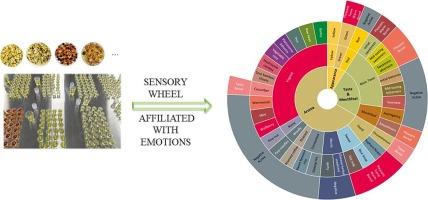
Chrysanthemum infusion has gained popularity outside of the East Asian market in recent years. However, despite the growing international demand, standardized methods to evaluate the sensory attributes of chrysanthemum tea, which are essential for guiding consumers and ensuring quality control, remain underdeveloped. In this study, a trained panel conducted a quantitative descriptive analysis (QDA®) of eight chrysanthemum samples, successfully distinguishing between them. Additionally, consumer emotional responses to chrysanthemum infusion were assessed using the Check-All-That-Apply (CATA) method. By mapping the descriptive sensory data with emotional response data through Partial Least Squares Regression (PLSR), we identified sensory drivers that elicit specific emotional responses. For this analysis, the emotion lexicon from EsSense25 was clustered into six dimensions: pleasant, tame, warm, active, negative, and bored. Our findings indicate that attributes such as smoothness and chrysanthemum-cucumber flavour induce calm and reassuring emotions (e.g., secure, understanding, calm, and tame). Conversely, sweetness and floral flavour are associated with positive emotions such as happiness, joy, and general well-being, suggesting that floral sweet beverages can mitigate negative emotions. However, sensory attributes such as bitterness, astringency, and vegetal aroma were linked to negative emotions and were sometimes associated with feelings of activity. The development of a sensory wheel, integrated with the emotional lexicon for chrysanthemum infusion, provides a tool for identifying sensory drivers behind emotional experiences. This tool offers valuable insights for market applications and product development, enhancing consumer satisfaction by aligning product attributes with desired emotional outcomes.
期刊介绍:
Food Research International serves as a rapid dissemination platform for significant and impactful research in food science, technology, engineering, and nutrition. The journal focuses on publishing novel, high-quality, and high-impact review papers, original research papers, and letters to the editors across various disciplines in the science and technology of food. Additionally, it follows a policy of publishing special issues on topical and emergent subjects in food research or related areas. Selected, peer-reviewed papers from scientific meetings, workshops, and conferences on the science, technology, and engineering of foods are also featured in special issues.




 京公网安备 11010802042870号
京ICP备2023020795号-1
京公网安备 11010802042870号
京ICP备2023020795号-1

 分享
分享
 求助内容:
求助内容: 应助结果提醒方式:
 扫码关注我们
