Julian Lilkendey, Jens Hegg, Matthew Campbell, Jingjing Zhang, Harrison Raby, Malcolm Reid, Monica Tromp, Emma Ash, Louise Furey, Lindsey White, Richard Walter, Armagan Sabetian
{"title":"克服变化的基线:古行为揭示工业革命是引爆点","authors":"Julian Lilkendey, Jens Hegg, Matthew Campbell, Jingjing Zhang, Harrison Raby, Malcolm Reid, Monica Tromp, Emma Ash, Louise Furey, Lindsey White, Richard Walter, Armagan Sabetian","doi":"10.1111/gcb.70038","DOIUrl":null,"url":null,"abstract":"<p>Human activities have significantly altered coastal ecosystems worldwide. The phenomenon of shifting baselines syndrome (SBS) complicates our understanding of these changes, masking the true scale of human impacts. This study investigates the long-term ecological effects of anthropogenic activities on New Zealand's coastal ecosystems over 800 years using fish otolith microchemical profiling and dynamic time warping across an entire stock unit. Results reveal a shift in snapper (<i>Chrysophrys auratus</i>; Sparidae) habitat-use behaviour, transitioning from low-salinity estuarine environments to higher-salinity habitats, correlating with ongoing land-use changes. This shift coincided with New Zealand's localised Industrial Revolution, which served as a tipping point for widespread ecosystem transformation. By comparing current coastal fish movement profiles with historical baselines, we provide evidence to address SBS and guide conservation strategies. Re-establishing pre-industrial habitat-use behaviours in snapper will indicate successful habitat restoration, promoting overall ecosystem connectivity and resilience. Our findings enable more effective habitat restoration measures and sustainable management practices, informing policies for maintaining coastal biodiversity and ecosystem function.</p>","PeriodicalId":175,"journal":{"name":"Global Change Biology","volume":"31 1","pages":""},"PeriodicalIF":12.0000,"publicationDate":"2025-01-25","publicationTypes":"Journal Article","fieldsOfStudy":null,"isOpenAccess":false,"openAccessPdf":"https://onlinelibrary.wiley.com/doi/epdf/10.1111/gcb.70038","citationCount":"0","resultStr":"{\"title\":\"Overcoming Shifting Baselines: Paleo-Behaviour Reveals Industrial Revolution as Tipping Point\",\"authors\":\"Julian Lilkendey, Jens Hegg, Matthew Campbell, Jingjing Zhang, Harrison Raby, Malcolm Reid, Monica Tromp, Emma Ash, Louise Furey, Lindsey White, Richard Walter, Armagan Sabetian\",\"doi\":\"10.1111/gcb.70038\",\"DOIUrl\":null,\"url\":null,\"abstract\":\"<p>Human activities have significantly altered coastal ecosystems worldwide. The phenomenon of shifting baselines syndrome (SBS) complicates our understanding of these changes, masking the true scale of human impacts. This study investigates the long-term ecological effects of anthropogenic activities on New Zealand's coastal ecosystems over 800 years using fish otolith microchemical profiling and dynamic time warping across an entire stock unit. Results reveal a shift in snapper (<i>Chrysophrys auratus</i>; Sparidae) habitat-use behaviour, transitioning from low-salinity estuarine environments to higher-salinity habitats, correlating with ongoing land-use changes. This shift coincided with New Zealand's localised Industrial Revolution, which served as a tipping point for widespread ecosystem transformation. By comparing current coastal fish movement profiles with historical baselines, we provide evidence to address SBS and guide conservation strategies. Re-establishing pre-industrial habitat-use behaviours in snapper will indicate successful habitat restoration, promoting overall ecosystem connectivity and resilience. Our findings enable more effective habitat restoration measures and sustainable management practices, informing policies for maintaining coastal biodiversity and ecosystem function.</p>\",\"PeriodicalId\":175,\"journal\":{\"name\":\"Global Change Biology\",\"volume\":\"31 1\",\"pages\":\"\"},\"PeriodicalIF\":12.0000,\"publicationDate\":\"2025-01-25\",\"publicationTypes\":\"Journal Article\",\"fieldsOfStudy\":null,\"isOpenAccess\":false,\"openAccessPdf\":\"https://onlinelibrary.wiley.com/doi/epdf/10.1111/gcb.70038\",\"citationCount\":\"0\",\"resultStr\":null,\"platform\":\"Semanticscholar\",\"paperid\":null,\"PeriodicalName\":\"Global Change Biology\",\"FirstCategoryId\":\"93\",\"ListUrlMain\":\"https://onlinelibrary.wiley.com/doi/10.1111/gcb.70038\",\"RegionNum\":1,\"RegionCategory\":\"环境科学与生态学\",\"ArticlePicture\":[],\"TitleCN\":null,\"AbstractTextCN\":null,\"PMCID\":null,\"EPubDate\":\"\",\"PubModel\":\"\",\"JCR\":\"Q1\",\"JCRName\":\"BIODIVERSITY CONSERVATION\",\"Score\":null,\"Total\":0}","platform":"Semanticscholar","paperid":null,"PeriodicalName":"Global Change Biology","FirstCategoryId":"93","ListUrlMain":"https://onlinelibrary.wiley.com/doi/10.1111/gcb.70038","RegionNum":1,"RegionCategory":"环境科学与生态学","ArticlePicture":[],"TitleCN":null,"AbstractTextCN":null,"PMCID":null,"EPubDate":"","PubModel":"","JCR":"Q1","JCRName":"BIODIVERSITY CONSERVATION","Score":null,"Total":0}
Overcoming Shifting Baselines: Paleo-Behaviour Reveals Industrial Revolution as Tipping Point
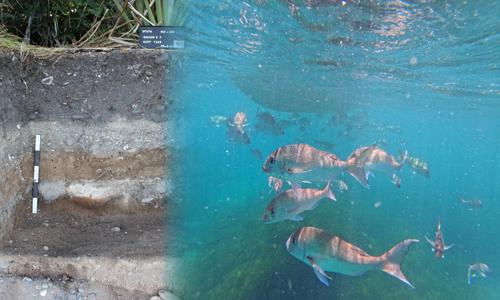
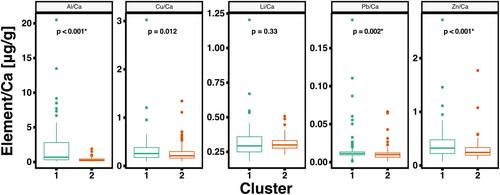
Human activities have significantly altered coastal ecosystems worldwide. The phenomenon of shifting baselines syndrome (SBS) complicates our understanding of these changes, masking the true scale of human impacts. This study investigates the long-term ecological effects of anthropogenic activities on New Zealand's coastal ecosystems over 800 years using fish otolith microchemical profiling and dynamic time warping across an entire stock unit. Results reveal a shift in snapper (Chrysophrys auratus; Sparidae) habitat-use behaviour, transitioning from low-salinity estuarine environments to higher-salinity habitats, correlating with ongoing land-use changes. This shift coincided with New Zealand's localised Industrial Revolution, which served as a tipping point for widespread ecosystem transformation. By comparing current coastal fish movement profiles with historical baselines, we provide evidence to address SBS and guide conservation strategies. Re-establishing pre-industrial habitat-use behaviours in snapper will indicate successful habitat restoration, promoting overall ecosystem connectivity and resilience. Our findings enable more effective habitat restoration measures and sustainable management practices, informing policies for maintaining coastal biodiversity and ecosystem function.
期刊介绍:
Global Change Biology is an environmental change journal committed to shaping the future and addressing the world's most pressing challenges, including sustainability, climate change, environmental protection, food and water safety, and global health.
Dedicated to fostering a profound understanding of the impacts of global change on biological systems and offering innovative solutions, the journal publishes a diverse range of content, including primary research articles, technical advances, research reviews, reports, opinions, perspectives, commentaries, and letters. Starting with the 2024 volume, Global Change Biology will transition to an online-only format, enhancing accessibility and contributing to the evolution of scholarly communication.




 京公网安备 11010802042870号
京ICP备2023020795号-1
京公网安备 11010802042870号
京ICP备2023020795号-1

 分享
分享
 求助内容:
求助内容: 应助结果提醒方式:
 扫码关注我们
