Karoliina Kajander, Nicole Nowak, Negin Vaziri, Pekka K. Vallittu, Terhi J. Heino, Jorma A. Määttä
{"title":"体外研究生物活性玻璃S53P4对巨噬细胞的免疫调节和代谢作用。","authors":"Karoliina Kajander, Nicole Nowak, Negin Vaziri, Pekka K. Vallittu, Terhi J. Heino, Jorma A. Määttä","doi":"10.1007/s10856-025-06861-y","DOIUrl":null,"url":null,"abstract":"<div><p>Macrophage metabolism is closely linked to their phenotype and function, which is why there is growing interest in studying the metabolic reprogramming of macrophages. Bioactive glass (BG) S53P4 is a bioactive material used especially in bone applications. Additionally, BG S53P4 has been shown to affect macrophages, but the mechanisms through which the possible immunomodulatory effects are conveyed remain unclear. According to the results presented here, the lipopolysaccharide (LPS) induced suppression in oxidative phosphorylation is rescued in macrophages cultured with BG S53P4 before the inflammatory stimulus. Additionally, BG S53P4-exposed macrophages expressed lower mRNA levels of inflammatory cytokines <i>Il6</i> and <i>Il1b</i>, as well as demonstrated decreased activation of inflammatory interferon regulatory factor (IRF) and NF-κB pathways and nitrogen oxide secretion in response to LPS. These results did not rely on cells being in direct contact with the material as similar effects were observed in the presence of BG S53P4-conditioned medium. Our findings link the immunomodulatory properties of BG S53P4 and macrophage metabolism, which improves our understanding of the mechanisms underlying the clinical efficacy of bioactive glasses.</p><h3>Graphical Abstract</h3><div><figure><div><div><picture><source><img></source></picture></div></div></figure></div></div>","PeriodicalId":647,"journal":{"name":"Journal of Materials Science: Materials in Medicine","volume":"36 1","pages":""},"PeriodicalIF":4.5000,"publicationDate":"2025-01-24","publicationTypes":"Journal Article","fieldsOfStudy":null,"isOpenAccess":false,"openAccessPdf":"https://www.ncbi.nlm.nih.gov/pmc/articles/PMC11762225/pdf/","citationCount":"0","resultStr":"{\"title\":\"Unraveling the immunomodulatory and metabolic effects of bioactive glass S53P4 on macrophages in vitro\",\"authors\":\"Karoliina Kajander, Nicole Nowak, Negin Vaziri, Pekka K. Vallittu, Terhi J. Heino, Jorma A. Määttä\",\"doi\":\"10.1007/s10856-025-06861-y\",\"DOIUrl\":null,\"url\":null,\"abstract\":\"<div><p>Macrophage metabolism is closely linked to their phenotype and function, which is why there is growing interest in studying the metabolic reprogramming of macrophages. Bioactive glass (BG) S53P4 is a bioactive material used especially in bone applications. Additionally, BG S53P4 has been shown to affect macrophages, but the mechanisms through which the possible immunomodulatory effects are conveyed remain unclear. According to the results presented here, the lipopolysaccharide (LPS) induced suppression in oxidative phosphorylation is rescued in macrophages cultured with BG S53P4 before the inflammatory stimulus. Additionally, BG S53P4-exposed macrophages expressed lower mRNA levels of inflammatory cytokines <i>Il6</i> and <i>Il1b</i>, as well as demonstrated decreased activation of inflammatory interferon regulatory factor (IRF) and NF-κB pathways and nitrogen oxide secretion in response to LPS. These results did not rely on cells being in direct contact with the material as similar effects were observed in the presence of BG S53P4-conditioned medium. Our findings link the immunomodulatory properties of BG S53P4 and macrophage metabolism, which improves our understanding of the mechanisms underlying the clinical efficacy of bioactive glasses.</p><h3>Graphical Abstract</h3><div><figure><div><div><picture><source><img></source></picture></div></div></figure></div></div>\",\"PeriodicalId\":647,\"journal\":{\"name\":\"Journal of Materials Science: Materials in Medicine\",\"volume\":\"36 1\",\"pages\":\"\"},\"PeriodicalIF\":4.5000,\"publicationDate\":\"2025-01-24\",\"publicationTypes\":\"Journal Article\",\"fieldsOfStudy\":null,\"isOpenAccess\":false,\"openAccessPdf\":\"https://www.ncbi.nlm.nih.gov/pmc/articles/PMC11762225/pdf/\",\"citationCount\":\"0\",\"resultStr\":null,\"platform\":\"Semanticscholar\",\"paperid\":null,\"PeriodicalName\":\"Journal of Materials Science: Materials in Medicine\",\"FirstCategoryId\":\"5\",\"ListUrlMain\":\"https://link.springer.com/article/10.1007/s10856-025-06861-y\",\"RegionNum\":3,\"RegionCategory\":\"医学\",\"ArticlePicture\":[],\"TitleCN\":null,\"AbstractTextCN\":null,\"PMCID\":null,\"EPubDate\":\"\",\"PubModel\":\"\",\"JCR\":\"Q2\",\"JCRName\":\"ENGINEERING, BIOMEDICAL\",\"Score\":null,\"Total\":0}","platform":"Semanticscholar","paperid":null,"PeriodicalName":"Journal of Materials Science: Materials in Medicine","FirstCategoryId":"5","ListUrlMain":"https://link.springer.com/article/10.1007/s10856-025-06861-y","RegionNum":3,"RegionCategory":"医学","ArticlePicture":[],"TitleCN":null,"AbstractTextCN":null,"PMCID":null,"EPubDate":"","PubModel":"","JCR":"Q2","JCRName":"ENGINEERING, BIOMEDICAL","Score":null,"Total":0}
Unraveling the immunomodulatory and metabolic effects of bioactive glass S53P4 on macrophages in vitro
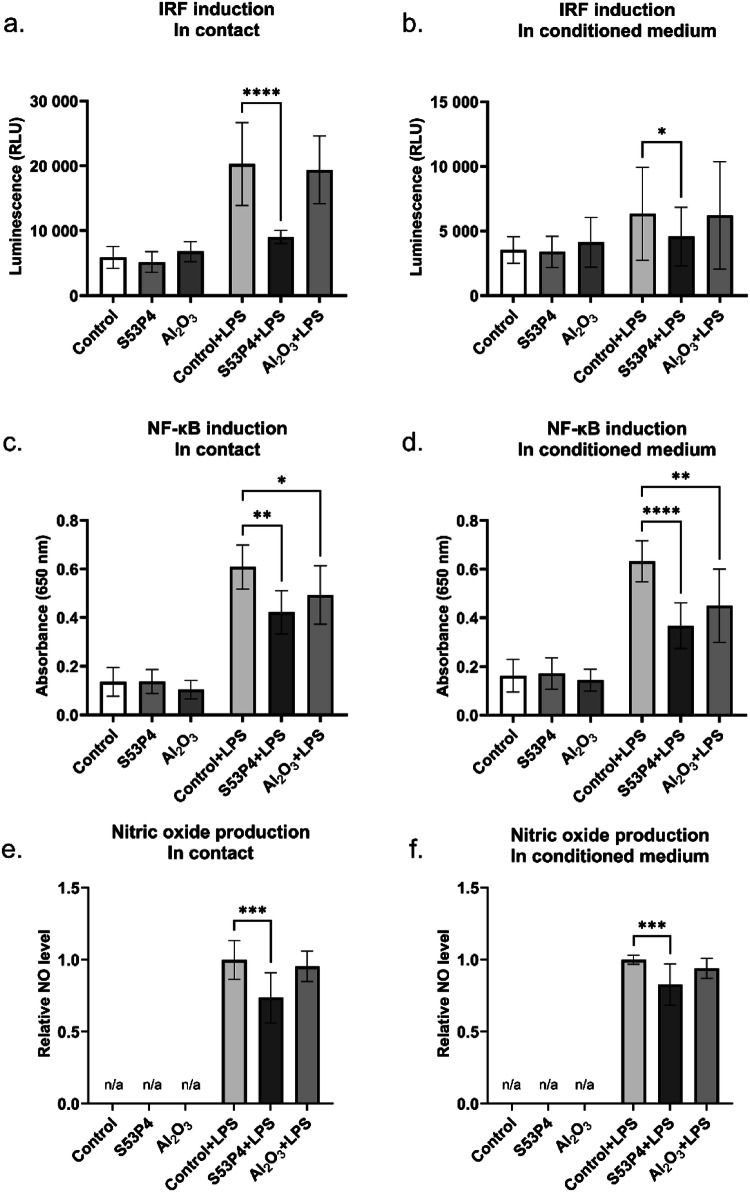
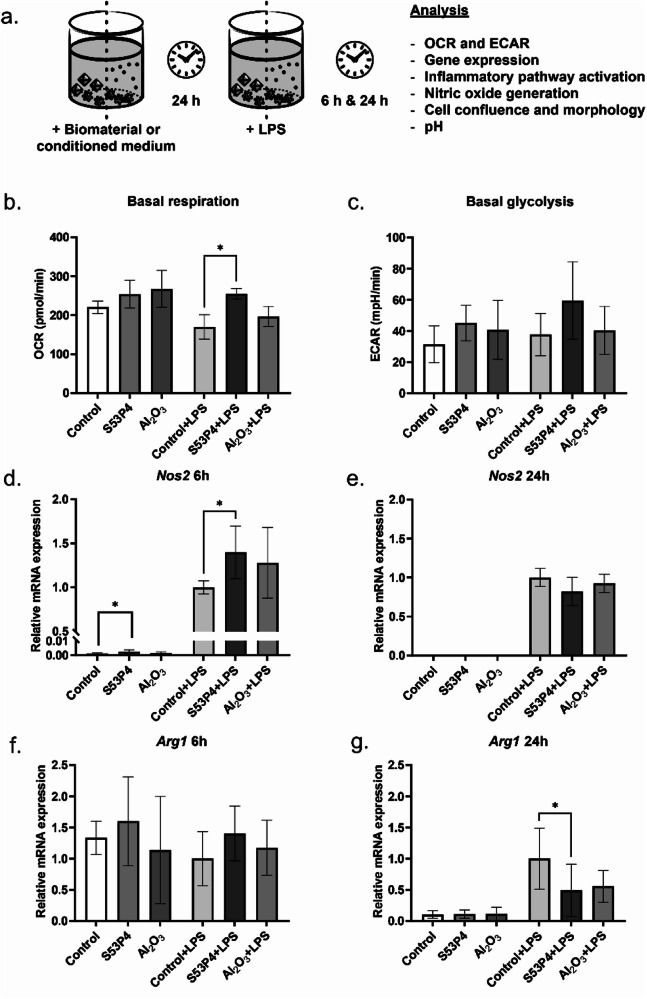
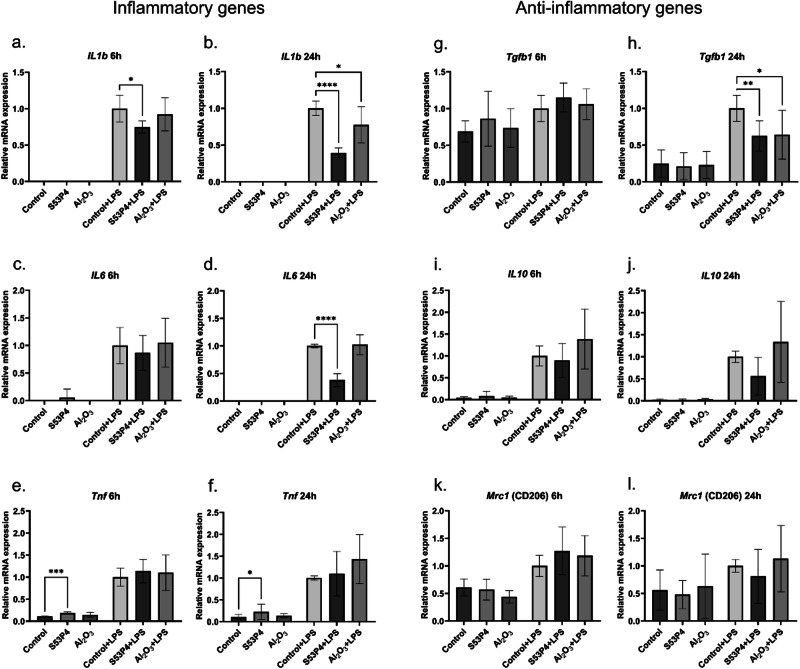
Macrophage metabolism is closely linked to their phenotype and function, which is why there is growing interest in studying the metabolic reprogramming of macrophages. Bioactive glass (BG) S53P4 is a bioactive material used especially in bone applications. Additionally, BG S53P4 has been shown to affect macrophages, but the mechanisms through which the possible immunomodulatory effects are conveyed remain unclear. According to the results presented here, the lipopolysaccharide (LPS) induced suppression in oxidative phosphorylation is rescued in macrophages cultured with BG S53P4 before the inflammatory stimulus. Additionally, BG S53P4-exposed macrophages expressed lower mRNA levels of inflammatory cytokines Il6 and Il1b, as well as demonstrated decreased activation of inflammatory interferon regulatory factor (IRF) and NF-κB pathways and nitrogen oxide secretion in response to LPS. These results did not rely on cells being in direct contact with the material as similar effects were observed in the presence of BG S53P4-conditioned medium. Our findings link the immunomodulatory properties of BG S53P4 and macrophage metabolism, which improves our understanding of the mechanisms underlying the clinical efficacy of bioactive glasses.
期刊介绍:
The Journal of Materials Science: Materials in Medicine publishes refereed papers providing significant progress in the application of biomaterials and tissue engineering constructs as medical or dental implants, prostheses and devices. Coverage spans a wide range of topics from basic science to clinical applications, around the theme of materials in medicine and dentistry. The central element is the development of synthetic and natural materials used in orthopaedic, maxillofacial, cardiovascular, neurological, ophthalmic and dental applications. Special biomedical topics include biomaterial synthesis and characterisation, biocompatibility studies, nanomedicine, tissue engineering constructs and cell substrates, regenerative medicine, computer modelling and other advanced experimental methodologies.




 京公网安备 11010802042870号
京ICP备2023020795号-1
京公网安备 11010802042870号
京ICP备2023020795号-1

 分享
分享
 求助内容:
求助内容: 应助结果提醒方式:
 扫码关注我们
