Marina Blanco-Ruiz, Belén Sánchez-Rodríguez, Maria Luisa Ruiz-Franco, Emilio Molina Cuadrado, Francisco Sierra García, Carmen Muñoz Fernández
{"title":"富马酸双洛西梅尔和富马酸二甲酯治疗患者的描述性分析——真实体验。","authors":"Marina Blanco-Ruiz, Belén Sánchez-Rodríguez, Maria Luisa Ruiz-Franco, Emilio Molina Cuadrado, Francisco Sierra García, Carmen Muñoz Fernández","doi":"10.3390/jpm15010012","DOIUrl":null,"url":null,"abstract":"<p><strong>Background: </strong>Dimethyl fumarate (DMF) and diroximel fumarate (DRF) are two treatments used for multiple sclerosis (MS) that have been shown to be effective in controlling MS patients. DRF was introduced in 2019 with the aim of decreasing the gastrointestinal side effects caused by DMF. Few real-life studies verify the data provided in the clinical trials.</p><p><strong>Methods: </strong>A retrospective descriptive study was conducted on MS patients at the Hospital Universitario Torrecárdenas under treatment with DRF and DMF. Demographic, clinical, and analytical variables were studied and compared between groups.</p><p><strong>Results: </strong>A total of 60 patients were recruited, 30 with each treatment, observing similar baseline characteristics. Fewer gastrointestinal (GI) effects were observed in the DRF group, while more infections were detected in the DMF group. We recorded lower levels in the DRF group, with four cases of moderate-severe lymphopenia in the DRF group vs. none in the DMF group. In addition, we observed a decrease in lymphocytes after the change from DMF to DRF in patients with a change.</p><p><strong>Conclusions: </strong>Our real-life analysis of patients treated with DMF or DRF supports several studies' findings regarding decreased GI side effects with DRF vs. DMF without decreasing efficacy. However, our data show a greater reduction in lymphocytes in patients with DRF compared to DMF, so more studies are necessary.</p>","PeriodicalId":16722,"journal":{"name":"Journal of Personalized Medicine","volume":"15 1","pages":""},"PeriodicalIF":3.0000,"publicationDate":"2024-12-31","publicationTypes":"Journal Article","fieldsOfStudy":null,"isOpenAccess":false,"openAccessPdf":"https://www.ncbi.nlm.nih.gov/pmc/articles/PMC11767025/pdf/","citationCount":"0","resultStr":"{\"title\":\"Descriptive Analysis of Patients Treated with Diroximel Fumarate and Dimethyl Fumarate-A Real-Life Experience.\",\"authors\":\"Marina Blanco-Ruiz, Belén Sánchez-Rodríguez, Maria Luisa Ruiz-Franco, Emilio Molina Cuadrado, Francisco Sierra García, Carmen Muñoz Fernández\",\"doi\":\"10.3390/jpm15010012\",\"DOIUrl\":null,\"url\":null,\"abstract\":\"<p><strong>Background: </strong>Dimethyl fumarate (DMF) and diroximel fumarate (DRF) are two treatments used for multiple sclerosis (MS) that have been shown to be effective in controlling MS patients. DRF was introduced in 2019 with the aim of decreasing the gastrointestinal side effects caused by DMF. Few real-life studies verify the data provided in the clinical trials.</p><p><strong>Methods: </strong>A retrospective descriptive study was conducted on MS patients at the Hospital Universitario Torrecárdenas under treatment with DRF and DMF. Demographic, clinical, and analytical variables were studied and compared between groups.</p><p><strong>Results: </strong>A total of 60 patients were recruited, 30 with each treatment, observing similar baseline characteristics. Fewer gastrointestinal (GI) effects were observed in the DRF group, while more infections were detected in the DMF group. We recorded lower levels in the DRF group, with four cases of moderate-severe lymphopenia in the DRF group vs. none in the DMF group. In addition, we observed a decrease in lymphocytes after the change from DMF to DRF in patients with a change.</p><p><strong>Conclusions: </strong>Our real-life analysis of patients treated with DMF or DRF supports several studies' findings regarding decreased GI side effects with DRF vs. DMF without decreasing efficacy. However, our data show a greater reduction in lymphocytes in patients with DRF compared to DMF, so more studies are necessary.</p>\",\"PeriodicalId\":16722,\"journal\":{\"name\":\"Journal of Personalized Medicine\",\"volume\":\"15 1\",\"pages\":\"\"},\"PeriodicalIF\":3.0000,\"publicationDate\":\"2024-12-31\",\"publicationTypes\":\"Journal Article\",\"fieldsOfStudy\":null,\"isOpenAccess\":false,\"openAccessPdf\":\"https://www.ncbi.nlm.nih.gov/pmc/articles/PMC11767025/pdf/\",\"citationCount\":\"0\",\"resultStr\":null,\"platform\":\"Semanticscholar\",\"paperid\":null,\"PeriodicalName\":\"Journal of Personalized Medicine\",\"FirstCategoryId\":\"3\",\"ListUrlMain\":\"https://doi.org/10.3390/jpm15010012\",\"RegionNum\":3,\"RegionCategory\":\"医学\",\"ArticlePicture\":[],\"TitleCN\":null,\"AbstractTextCN\":null,\"PMCID\":null,\"EPubDate\":\"\",\"PubModel\":\"\",\"JCR\":\"Q2\",\"JCRName\":\"HEALTH CARE SCIENCES & SERVICES\",\"Score\":null,\"Total\":0}","platform":"Semanticscholar","paperid":null,"PeriodicalName":"Journal of Personalized Medicine","FirstCategoryId":"3","ListUrlMain":"https://doi.org/10.3390/jpm15010012","RegionNum":3,"RegionCategory":"医学","ArticlePicture":[],"TitleCN":null,"AbstractTextCN":null,"PMCID":null,"EPubDate":"","PubModel":"","JCR":"Q2","JCRName":"HEALTH CARE SCIENCES & SERVICES","Score":null,"Total":0}
Descriptive Analysis of Patients Treated with Diroximel Fumarate and Dimethyl Fumarate-A Real-Life Experience.
Background: Dimethyl fumarate (DMF) and diroximel fumarate (DRF) are two treatments used for multiple sclerosis (MS) that have been shown to be effective in controlling MS patients. DRF was introduced in 2019 with the aim of decreasing the gastrointestinal side effects caused by DMF. Few real-life studies verify the data provided in the clinical trials.
Methods: A retrospective descriptive study was conducted on MS patients at the Hospital Universitario Torrecárdenas under treatment with DRF and DMF. Demographic, clinical, and analytical variables were studied and compared between groups.
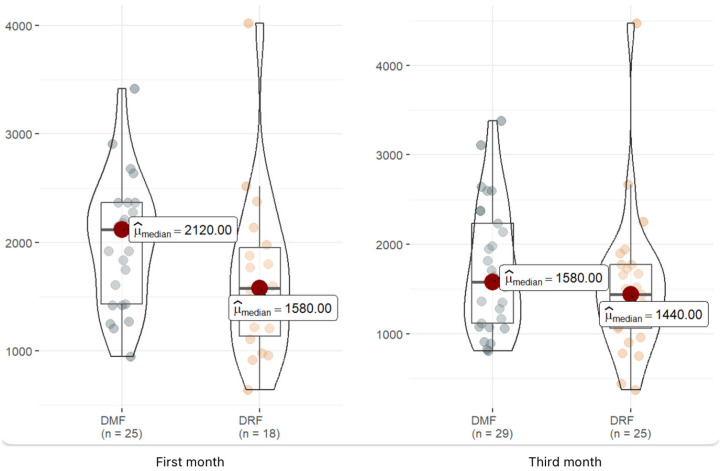
Results: A total of 60 patients were recruited, 30 with each treatment, observing similar baseline characteristics. Fewer gastrointestinal (GI) effects were observed in the DRF group, while more infections were detected in the DMF group. We recorded lower levels in the DRF group, with four cases of moderate-severe lymphopenia in the DRF group vs. none in the DMF group. In addition, we observed a decrease in lymphocytes after the change from DMF to DRF in patients with a change.
Conclusions: Our real-life analysis of patients treated with DMF or DRF supports several studies' findings regarding decreased GI side effects with DRF vs. DMF without decreasing efficacy. However, our data show a greater reduction in lymphocytes in patients with DRF compared to DMF, so more studies are necessary.
期刊介绍:
Journal of Personalized Medicine (JPM; ISSN 2075-4426) is an international, open access journal aimed at bringing all aspects of personalized medicine to one platform. JPM publishes cutting edge, innovative preclinical and translational scientific research and technologies related to personalized medicine (e.g., pharmacogenomics/proteomics, systems biology). JPM recognizes that personalized medicine—the assessment of genetic, environmental and host factors that cause variability of individuals—is a challenging, transdisciplinary topic that requires discussions from a range of experts. For a comprehensive perspective of personalized medicine, JPM aims to integrate expertise from the molecular and translational sciences, therapeutics and diagnostics, as well as discussions of regulatory, social, ethical and policy aspects. We provide a forum to bring together academic and clinical researchers, biotechnology, diagnostic and pharmaceutical companies, health professionals, regulatory and ethical experts, and government and regulatory authorities.





 京公网安备 11010802042870号
京ICP备2023020795号-1
京公网安备 11010802042870号
京ICP备2023020795号-1

 分享
分享
 求助内容:
求助内容: 应助结果提醒方式:
 扫码关注我们
