{"title":"运动素和肌肉减少症:揭示运动诱导线粒体稳态背后的机制。","authors":"Jiayin Wang, Dandan Jia, Zhiwang Zhang, Dan Wang","doi":"10.3390/metabo15010059","DOIUrl":null,"url":null,"abstract":"<p><p><b>Background/Objectives</b>: Sarcopenia, characterized by the progressive loss of muscle mass and strength, is linked to physical disability, metabolic dysfunction, and an increased risk of mortality. Exercise therapy is currently acknowledged as a viable approach for addressing sarcopenia. Nevertheless, the molecular mechanisms behind exercise training or physical activity remain poorly understood. The disruption of mitochondrial homeostasis is implicated in the pathogenesis of sarcopenia. Exercise training effectively delays the onset of sarcopenia by significantly maintaining mitochondrial homeostasis, including promoting mitophagy, improving mitochondrial biogenesis, balancing mitochondrial dynamics, and maintaining mitochondrial redox. Exerkines (e.g., adipokines, myokines, hepatokines, and osteokines), signaling molecules released in response to exercise training, may potentially contribute to skeletal muscle metabolism through ameliorating mitochondrial homeostasis, reducing inflammation, and regulating protein synthesis as a defense against sarcopenia. <b>Methods</b>: In this review, we provide a detailed summary of exercise-induced exerkines and confer their benefit, with particular focus on their impact on mitochondrial homeostasis in the context of sarcopenia. <b>Results</b>: Exercise induces substantial adaptations in skeletal muscle, including increased muscle mass, improved muscle regeneration and hypertrophy, elevated hormone release, and enhanced mitochondrial function. An expanding body of research highlights that exerkines have the potential to regulate processes such as mitophagy, mitochondrial biogenesis, dynamics, autophagy, and redox balance. These mechanisms contribute to the maintenance of mitochondrial homeostasis, thereby supporting skeletal muscle metabolism and mitochondrial health. <b>Conclusions</b>: Through a comprehensive investigation of the molecular mechanisms within mitochondria, the context reveals new insights into the potential of exerkines as key exercise-protective sensors for combating sarcopenia.</p>","PeriodicalId":18496,"journal":{"name":"Metabolites","volume":"15 1","pages":""},"PeriodicalIF":3.7000,"publicationDate":"2025-01-16","publicationTypes":"Journal Article","fieldsOfStudy":null,"isOpenAccess":false,"openAccessPdf":"https://www.ncbi.nlm.nih.gov/pmc/articles/PMC11767263/pdf/","citationCount":"0","resultStr":"{\"title\":\"Exerkines and Sarcopenia: Unveiling the Mechanism Behind Exercise-Induced Mitochondrial Homeostasis.\",\"authors\":\"Jiayin Wang, Dandan Jia, Zhiwang Zhang, Dan Wang\",\"doi\":\"10.3390/metabo15010059\",\"DOIUrl\":null,\"url\":null,\"abstract\":\"<p><p><b>Background/Objectives</b>: Sarcopenia, characterized by the progressive loss of muscle mass and strength, is linked to physical disability, metabolic dysfunction, and an increased risk of mortality. Exercise therapy is currently acknowledged as a viable approach for addressing sarcopenia. Nevertheless, the molecular mechanisms behind exercise training or physical activity remain poorly understood. The disruption of mitochondrial homeostasis is implicated in the pathogenesis of sarcopenia. Exercise training effectively delays the onset of sarcopenia by significantly maintaining mitochondrial homeostasis, including promoting mitophagy, improving mitochondrial biogenesis, balancing mitochondrial dynamics, and maintaining mitochondrial redox. Exerkines (e.g., adipokines, myokines, hepatokines, and osteokines), signaling molecules released in response to exercise training, may potentially contribute to skeletal muscle metabolism through ameliorating mitochondrial homeostasis, reducing inflammation, and regulating protein synthesis as a defense against sarcopenia. <b>Methods</b>: In this review, we provide a detailed summary of exercise-induced exerkines and confer their benefit, with particular focus on their impact on mitochondrial homeostasis in the context of sarcopenia. <b>Results</b>: Exercise induces substantial adaptations in skeletal muscle, including increased muscle mass, improved muscle regeneration and hypertrophy, elevated hormone release, and enhanced mitochondrial function. An expanding body of research highlights that exerkines have the potential to regulate processes such as mitophagy, mitochondrial biogenesis, dynamics, autophagy, and redox balance. These mechanisms contribute to the maintenance of mitochondrial homeostasis, thereby supporting skeletal muscle metabolism and mitochondrial health. <b>Conclusions</b>: Through a comprehensive investigation of the molecular mechanisms within mitochondria, the context reveals new insights into the potential of exerkines as key exercise-protective sensors for combating sarcopenia.</p>\",\"PeriodicalId\":18496,\"journal\":{\"name\":\"Metabolites\",\"volume\":\"15 1\",\"pages\":\"\"},\"PeriodicalIF\":3.7000,\"publicationDate\":\"2025-01-16\",\"publicationTypes\":\"Journal Article\",\"fieldsOfStudy\":null,\"isOpenAccess\":false,\"openAccessPdf\":\"https://www.ncbi.nlm.nih.gov/pmc/articles/PMC11767263/pdf/\",\"citationCount\":\"0\",\"resultStr\":null,\"platform\":\"Semanticscholar\",\"paperid\":null,\"PeriodicalName\":\"Metabolites\",\"FirstCategoryId\":\"99\",\"ListUrlMain\":\"https://doi.org/10.3390/metabo15010059\",\"RegionNum\":3,\"RegionCategory\":\"生物学\",\"ArticlePicture\":[],\"TitleCN\":null,\"AbstractTextCN\":null,\"PMCID\":null,\"EPubDate\":\"\",\"PubModel\":\"\",\"JCR\":\"Q2\",\"JCRName\":\"BIOCHEMISTRY & MOLECULAR BIOLOGY\",\"Score\":null,\"Total\":0}","platform":"Semanticscholar","paperid":null,"PeriodicalName":"Metabolites","FirstCategoryId":"99","ListUrlMain":"https://doi.org/10.3390/metabo15010059","RegionNum":3,"RegionCategory":"生物学","ArticlePicture":[],"TitleCN":null,"AbstractTextCN":null,"PMCID":null,"EPubDate":"","PubModel":"","JCR":"Q2","JCRName":"BIOCHEMISTRY & MOLECULAR BIOLOGY","Score":null,"Total":0}
Exerkines and Sarcopenia: Unveiling the Mechanism Behind Exercise-Induced Mitochondrial Homeostasis.
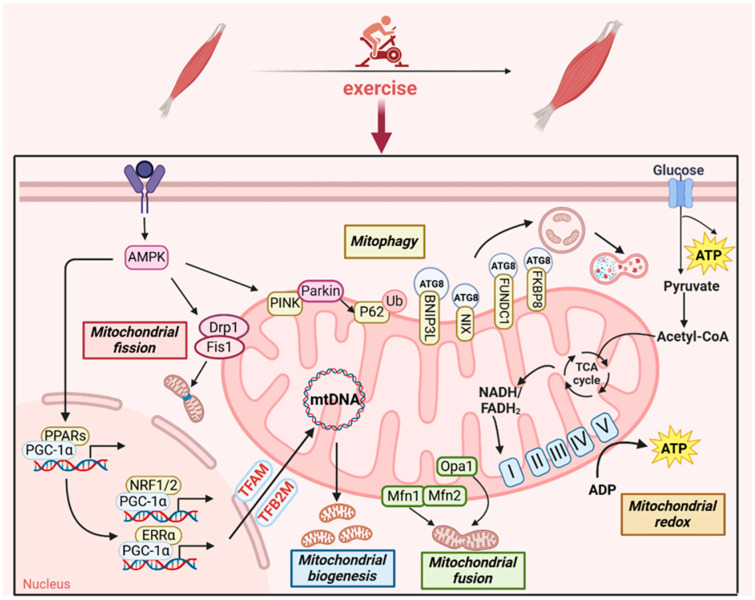
Background/Objectives: Sarcopenia, characterized by the progressive loss of muscle mass and strength, is linked to physical disability, metabolic dysfunction, and an increased risk of mortality. Exercise therapy is currently acknowledged as a viable approach for addressing sarcopenia. Nevertheless, the molecular mechanisms behind exercise training or physical activity remain poorly understood. The disruption of mitochondrial homeostasis is implicated in the pathogenesis of sarcopenia. Exercise training effectively delays the onset of sarcopenia by significantly maintaining mitochondrial homeostasis, including promoting mitophagy, improving mitochondrial biogenesis, balancing mitochondrial dynamics, and maintaining mitochondrial redox. Exerkines (e.g., adipokines, myokines, hepatokines, and osteokines), signaling molecules released in response to exercise training, may potentially contribute to skeletal muscle metabolism through ameliorating mitochondrial homeostasis, reducing inflammation, and regulating protein synthesis as a defense against sarcopenia. Methods: In this review, we provide a detailed summary of exercise-induced exerkines and confer their benefit, with particular focus on their impact on mitochondrial homeostasis in the context of sarcopenia. Results: Exercise induces substantial adaptations in skeletal muscle, including increased muscle mass, improved muscle regeneration and hypertrophy, elevated hormone release, and enhanced mitochondrial function. An expanding body of research highlights that exerkines have the potential to regulate processes such as mitophagy, mitochondrial biogenesis, dynamics, autophagy, and redox balance. These mechanisms contribute to the maintenance of mitochondrial homeostasis, thereby supporting skeletal muscle metabolism and mitochondrial health. Conclusions: Through a comprehensive investigation of the molecular mechanisms within mitochondria, the context reveals new insights into the potential of exerkines as key exercise-protective sensors for combating sarcopenia.
MetabolitesBiochemistry, Genetics and Molecular Biology-Molecular Biology
CiteScore
5.70
自引率
7.30%
发文量
1070
审稿时长
17.17 days
期刊介绍:
Metabolites (ISSN 2218-1989) is an international, peer-reviewed open access journal of metabolism and metabolomics. Metabolites publishes original research articles and review articles in all molecular aspects of metabolism relevant to the fields of metabolomics, metabolic biochemistry, computational and systems biology, biotechnology and medicine, with a particular focus on the biological roles of metabolites and small molecule biomarkers. Metabolites encourages scientists to publish their experimental and theoretical results in as much detail as possible. Therefore, there is no restriction on article length. Sufficient experimental details must be provided to enable the results to be accurately reproduced. Electronic material representing additional figures, materials and methods explanation, or supporting results and evidence can be submitted with the main manuscript as supplementary material.






 京公网安备 11010802042870号
京ICP备2023020795号-1
京公网安备 11010802042870号
京ICP备2023020795号-1

 分享
分享
 求助内容:
求助内容: 应助结果提醒方式:
 扫码关注我们
