Helen Agasild, Margarita Esmeralda Gonzales Ferraz, Madli Saat, Priit Zingel, Kai Piirsoo, Kätlin Blank, Veljo Kisand, Tiina Nõges, Kristel Panksep
{"title":"甲壳类浮游动物对潜在毒性微囊藻的摄取量:在大型温带富营养化湖泊中使用mcyE基因肠道含量检测进行原位估计。","authors":"Helen Agasild, Margarita Esmeralda Gonzales Ferraz, Madli Saat, Priit Zingel, Kai Piirsoo, Kätlin Blank, Veljo Kisand, Tiina Nõges, Kristel Panksep","doi":"10.3390/toxins17010042","DOIUrl":null,"url":null,"abstract":"<p><p>Grazing by zooplankton can regulate bloom-forming cyanobacteria but can also transfer toxin-producing cells, as well as toxic metabolites, to the food web. While laboratory investigations have provided extensive knowledge on zooplankton and toxic cyanobacteria interactions, information on zooplankton feeding on toxin-producing cyanobacteria in natural water bodies remains scarce. In this study, we quantified <i>Microcystis</i>-specific <i>mcyE</i> synthase genes from the gut contents of various cladoceran and copepod taxa to assess the in situ crustacean community and taxon-specific ingestion of potentially toxic <i>Microcystis</i> in Lake Peipsi, a large eutrophic lake in Estonia, Northern Europe. <i>Microcystis</i> cells with <i>mcyE</i> genes were found in all crustaceans examined. However, some species, such as the cyclopoid copepod <i>Mesocyclops leuckarti</i>, were more efficient in ingesting potentially toxic <i>Microcystis</i> than other co-occurring cladocerans (<i>Daphnia</i> spp., <i>Bosmina</i> spp., <i>Chydorus sphaericus</i>) and copepods (<i>Eudiaptomus gracilis</i>). The amount of toxigenic <i>Microcystis</i> cells grazed by crustacean population changed temporarily, and copepods were the predominant consumers of toxigenic <i>Microcystis</i> during several months of the 5-month study period. Crustacean ingestion of toxigenic <i>Microcystis</i> was not related to <i>Microcystis</i> biomass or <i>mcyE</i> gene copy numbers in the environment but was instead related to the abundance of major crustacean grazers. Our findings emphasize the close interaction between crustacean zooplankton and toxigenic <i>Microcystis</i>, indicating that some species may play a more significant role in linking toxic cells within the food web than others.</p>","PeriodicalId":23119,"journal":{"name":"Toxins","volume":"17 1","pages":""},"PeriodicalIF":4.0000,"publicationDate":"2025-01-16","publicationTypes":"Journal Article","fieldsOfStudy":null,"isOpenAccess":false,"openAccessPdf":"https://www.ncbi.nlm.nih.gov/pmc/articles/PMC11768910/pdf/","citationCount":"0","resultStr":"{\"title\":\"Crustacean Zooplankton Ingestion of Potentially Toxic <i>Microcystis</i>: In Situ Estimation Using <i>mcyE</i> Gene Gut Content Detection in a Large Temperate Eutrophic Lake.\",\"authors\":\"Helen Agasild, Margarita Esmeralda Gonzales Ferraz, Madli Saat, Priit Zingel, Kai Piirsoo, Kätlin Blank, Veljo Kisand, Tiina Nõges, Kristel Panksep\",\"doi\":\"10.3390/toxins17010042\",\"DOIUrl\":null,\"url\":null,\"abstract\":\"<p><p>Grazing by zooplankton can regulate bloom-forming cyanobacteria but can also transfer toxin-producing cells, as well as toxic metabolites, to the food web. While laboratory investigations have provided extensive knowledge on zooplankton and toxic cyanobacteria interactions, information on zooplankton feeding on toxin-producing cyanobacteria in natural water bodies remains scarce. In this study, we quantified <i>Microcystis</i>-specific <i>mcyE</i> synthase genes from the gut contents of various cladoceran and copepod taxa to assess the in situ crustacean community and taxon-specific ingestion of potentially toxic <i>Microcystis</i> in Lake Peipsi, a large eutrophic lake in Estonia, Northern Europe. <i>Microcystis</i> cells with <i>mcyE</i> genes were found in all crustaceans examined. However, some species, such as the cyclopoid copepod <i>Mesocyclops leuckarti</i>, were more efficient in ingesting potentially toxic <i>Microcystis</i> than other co-occurring cladocerans (<i>Daphnia</i> spp., <i>Bosmina</i> spp., <i>Chydorus sphaericus</i>) and copepods (<i>Eudiaptomus gracilis</i>). The amount of toxigenic <i>Microcystis</i> cells grazed by crustacean population changed temporarily, and copepods were the predominant consumers of toxigenic <i>Microcystis</i> during several months of the 5-month study period. Crustacean ingestion of toxigenic <i>Microcystis</i> was not related to <i>Microcystis</i> biomass or <i>mcyE</i> gene copy numbers in the environment but was instead related to the abundance of major crustacean grazers. Our findings emphasize the close interaction between crustacean zooplankton and toxigenic <i>Microcystis</i>, indicating that some species may play a more significant role in linking toxic cells within the food web than others.</p>\",\"PeriodicalId\":23119,\"journal\":{\"name\":\"Toxins\",\"volume\":\"17 1\",\"pages\":\"\"},\"PeriodicalIF\":4.0000,\"publicationDate\":\"2025-01-16\",\"publicationTypes\":\"Journal Article\",\"fieldsOfStudy\":null,\"isOpenAccess\":false,\"openAccessPdf\":\"https://www.ncbi.nlm.nih.gov/pmc/articles/PMC11768910/pdf/\",\"citationCount\":\"0\",\"resultStr\":null,\"platform\":\"Semanticscholar\",\"paperid\":null,\"PeriodicalName\":\"Toxins\",\"FirstCategoryId\":\"3\",\"ListUrlMain\":\"https://doi.org/10.3390/toxins17010042\",\"RegionNum\":3,\"RegionCategory\":\"医学\",\"ArticlePicture\":[],\"TitleCN\":null,\"AbstractTextCN\":null,\"PMCID\":null,\"EPubDate\":\"\",\"PubModel\":\"\",\"JCR\":\"Q2\",\"JCRName\":\"FOOD SCIENCE & TECHNOLOGY\",\"Score\":null,\"Total\":0}","platform":"Semanticscholar","paperid":null,"PeriodicalName":"Toxins","FirstCategoryId":"3","ListUrlMain":"https://doi.org/10.3390/toxins17010042","RegionNum":3,"RegionCategory":"医学","ArticlePicture":[],"TitleCN":null,"AbstractTextCN":null,"PMCID":null,"EPubDate":"","PubModel":"","JCR":"Q2","JCRName":"FOOD SCIENCE & TECHNOLOGY","Score":null,"Total":0}
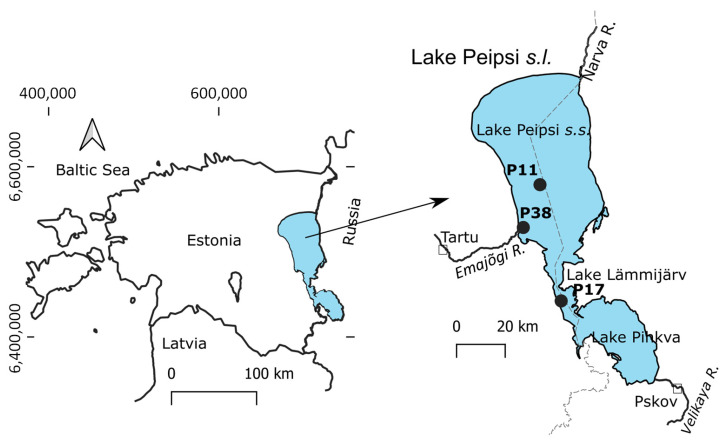
Crustacean Zooplankton Ingestion of Potentially Toxic Microcystis: In Situ Estimation Using mcyE Gene Gut Content Detection in a Large Temperate Eutrophic Lake.
Grazing by zooplankton can regulate bloom-forming cyanobacteria but can also transfer toxin-producing cells, as well as toxic metabolites, to the food web. While laboratory investigations have provided extensive knowledge on zooplankton and toxic cyanobacteria interactions, information on zooplankton feeding on toxin-producing cyanobacteria in natural water bodies remains scarce. In this study, we quantified Microcystis-specific mcyE synthase genes from the gut contents of various cladoceran and copepod taxa to assess the in situ crustacean community and taxon-specific ingestion of potentially toxic Microcystis in Lake Peipsi, a large eutrophic lake in Estonia, Northern Europe. Microcystis cells with mcyE genes were found in all crustaceans examined. However, some species, such as the cyclopoid copepod Mesocyclops leuckarti, were more efficient in ingesting potentially toxic Microcystis than other co-occurring cladocerans (Daphnia spp., Bosmina spp., Chydorus sphaericus) and copepods (Eudiaptomus gracilis). The amount of toxigenic Microcystis cells grazed by crustacean population changed temporarily, and copepods were the predominant consumers of toxigenic Microcystis during several months of the 5-month study period. Crustacean ingestion of toxigenic Microcystis was not related to Microcystis biomass or mcyE gene copy numbers in the environment but was instead related to the abundance of major crustacean grazers. Our findings emphasize the close interaction between crustacean zooplankton and toxigenic Microcystis, indicating that some species may play a more significant role in linking toxic cells within the food web than others.
期刊介绍:
Toxins (ISSN 2072-6651) is an international, peer-reviewed open access journal which provides an advanced forum for studies related to toxins and toxinology. It publishes reviews, regular research papers and short communications. Our aim is to encourage scientists to publish their experimental and theoretical results in as much detail as possible. There is no restriction on the length of the papers. The full experimental details must be provided so that the results can be reproduced.






 京公网安备 11010802042870号
京ICP备2023020795号-1
京公网安备 11010802042870号
京ICP备2023020795号-1

 分享
分享
 求助内容:
求助内容: 应助结果提醒方式:
 扫码关注我们
