Christiana C Christodoulou, Michalis Pitsillides, Andreas Hadjisavvas, Eleni Zamba-Papanicolaou
{"title":"饮食摄入、地中海和北欧饮食依从性在阿尔茨海默病和痴呆中的作用:一项系统综述。","authors":"Christiana C Christodoulou, Michalis Pitsillides, Andreas Hadjisavvas, Eleni Zamba-Papanicolaou","doi":"10.3390/nu17020336","DOIUrl":null,"url":null,"abstract":"<p><strong>Background/objectives: </strong>Dementia is not a single disease but an umbrella term that encompasses a range of symptoms, such as memory loss and cognitive impairments, which are severe enough to disrupt daily life. One of the most common forms of dementia is Alzheimer's Disease (AD), a complex neurodegenerative condition influenced by both genetic and environmental factors. Recent research has highlighted diet as a potential modifiable risk factor for AD. Decades of research have explored the role of dietary patterns, including the Mediterranean Diet (MD) and its components, in neuroprotection and cognitive health. Systematic review examines studies investigating the impact of the Mediterranean Diet, Mediterranean-like diets, the Nordic Diet (ND), dietary intake patterns, and specific components such as extra virgin olive oil and rapeseed oil on cognitive function, disease onset, and progression in AD and dementia.</p><p><strong>Methods: </strong>A comprehensive search of PubMed, the Directory of Open Access Journals, and the Social Science Research Network was conducted independently by two reviewers using predefined search terms. The search period included studies from 2006 to 2024. Eligible studies meeting the inclusion criteria were systematically reviewed, yielding 88 studies: 85 focused on the MD and its relationship to AD and dementia, while only 3 investigated the ND.</p><p><strong>Results: </strong>The findings suggest that adherence to the Mediterranean and Nordic diets is generally associated with improved cognitive function and delayed cognitive decline and that adherence to both these diets can improve cognitive function. Some studies identified that higher legume consumption decreased dementia incidence, while fruits and vegetables, carbohydrates, and eggs lowered dementia prevalence. Most studies demonstrated that high MD or ND adherence was associated with better cognitive function and a lower risk of poor cognition in comparison to individuals with lower MD or ND adherence. However, some studies reported no significant benefits of the MD on cognitive outcomes, while two studies indicated that higher red meat consumption was linked to better cognitive function.</p><p><strong>Conclusion: </strong>Despite promising trends, the evidence remains varying across studies, underscoring the need for further research to establish definitive associations between diet and cognitive function. These findings highlight the essential role of dietary interventions in the prevention and management of dementia and AD, therefore offering critical insights into the underlying mechanisms by which the diet may impact brain health.</p>","PeriodicalId":19486,"journal":{"name":"Nutrients","volume":"17 2","pages":""},"PeriodicalIF":5.0000,"publicationDate":"2025-01-17","publicationTypes":"Journal Article","fieldsOfStudy":null,"isOpenAccess":false,"openAccessPdf":"https://www.ncbi.nlm.nih.gov/pmc/articles/PMC11767999/pdf/","citationCount":"0","resultStr":"{\"title\":\"Dietary Intake, Mediterranean and Nordic Diet Adherence in Alzheimer's Disease and Dementia: A Systematic Review.\",\"authors\":\"Christiana C Christodoulou, Michalis Pitsillides, Andreas Hadjisavvas, Eleni Zamba-Papanicolaou\",\"doi\":\"10.3390/nu17020336\",\"DOIUrl\":null,\"url\":null,\"abstract\":\"<p><strong>Background/objectives: </strong>Dementia is not a single disease but an umbrella term that encompasses a range of symptoms, such as memory loss and cognitive impairments, which are severe enough to disrupt daily life. One of the most common forms of dementia is Alzheimer's Disease (AD), a complex neurodegenerative condition influenced by both genetic and environmental factors. Recent research has highlighted diet as a potential modifiable risk factor for AD. Decades of research have explored the role of dietary patterns, including the Mediterranean Diet (MD) and its components, in neuroprotection and cognitive health. Systematic review examines studies investigating the impact of the Mediterranean Diet, Mediterranean-like diets, the Nordic Diet (ND), dietary intake patterns, and specific components such as extra virgin olive oil and rapeseed oil on cognitive function, disease onset, and progression in AD and dementia.</p><p><strong>Methods: </strong>A comprehensive search of PubMed, the Directory of Open Access Journals, and the Social Science Research Network was conducted independently by two reviewers using predefined search terms. The search period included studies from 2006 to 2024. Eligible studies meeting the inclusion criteria were systematically reviewed, yielding 88 studies: 85 focused on the MD and its relationship to AD and dementia, while only 3 investigated the ND.</p><p><strong>Results: </strong>The findings suggest that adherence to the Mediterranean and Nordic diets is generally associated with improved cognitive function and delayed cognitive decline and that adherence to both these diets can improve cognitive function. Some studies identified that higher legume consumption decreased dementia incidence, while fruits and vegetables, carbohydrates, and eggs lowered dementia prevalence. Most studies demonstrated that high MD or ND adherence was associated with better cognitive function and a lower risk of poor cognition in comparison to individuals with lower MD or ND adherence. However, some studies reported no significant benefits of the MD on cognitive outcomes, while two studies indicated that higher red meat consumption was linked to better cognitive function.</p><p><strong>Conclusion: </strong>Despite promising trends, the evidence remains varying across studies, underscoring the need for further research to establish definitive associations between diet and cognitive function. These findings highlight the essential role of dietary interventions in the prevention and management of dementia and AD, therefore offering critical insights into the underlying mechanisms by which the diet may impact brain health.</p>\",\"PeriodicalId\":19486,\"journal\":{\"name\":\"Nutrients\",\"volume\":\"17 2\",\"pages\":\"\"},\"PeriodicalIF\":5.0000,\"publicationDate\":\"2025-01-17\",\"publicationTypes\":\"Journal Article\",\"fieldsOfStudy\":null,\"isOpenAccess\":false,\"openAccessPdf\":\"https://www.ncbi.nlm.nih.gov/pmc/articles/PMC11767999/pdf/\",\"citationCount\":\"0\",\"resultStr\":null,\"platform\":\"Semanticscholar\",\"paperid\":null,\"PeriodicalName\":\"Nutrients\",\"FirstCategoryId\":\"3\",\"ListUrlMain\":\"https://doi.org/10.3390/nu17020336\",\"RegionNum\":2,\"RegionCategory\":\"医学\",\"ArticlePicture\":[],\"TitleCN\":null,\"AbstractTextCN\":null,\"PMCID\":null,\"EPubDate\":\"\",\"PubModel\":\"\",\"JCR\":\"Q1\",\"JCRName\":\"NUTRITION & DIETETICS\",\"Score\":null,\"Total\":0}","platform":"Semanticscholar","paperid":null,"PeriodicalName":"Nutrients","FirstCategoryId":"3","ListUrlMain":"https://doi.org/10.3390/nu17020336","RegionNum":2,"RegionCategory":"医学","ArticlePicture":[],"TitleCN":null,"AbstractTextCN":null,"PMCID":null,"EPubDate":"","PubModel":"","JCR":"Q1","JCRName":"NUTRITION & DIETETICS","Score":null,"Total":0}
引用次数: 0
摘要
背景/目的:痴呆症不是一种单一的疾病,而是一个总括性术语,涵盖了一系列症状,如记忆丧失和认知障碍,这些症状严重到足以扰乱日常生活。阿尔茨海默病(AD)是最常见的痴呆症之一,是一种复杂的神经退行性疾病,受遗传和环境因素的影响。最近的研究强调饮食是阿尔茨海默病的一个潜在的可改变的风险因素。几十年的研究已经探索了饮食模式,包括地中海饮食(MD)及其组成部分,在神经保护和认知健康中的作用。系统回顾了调查地中海饮食、类地中海饮食、北欧饮食(ND)、饮食摄入模式以及特级初榨橄榄油和菜籽油等特定成分对认知功能、疾病发病和阿尔茨海默病和痴呆症进展的影响的研究。方法:由两位审稿人使用预定义的搜索词独立地对PubMed、Open Access Journals Directory和Social Science Research Network进行全面搜索。研究期间包括2006年至2024年的研究。我们系统地回顾了符合纳入标准的合格研究,共获得88项研究:85项研究关注MD及其与AD和痴呆的关系,而只有3项研究关注ND。结果:研究结果表明,坚持地中海和北欧饮食通常与改善认知功能和延缓认知衰退有关,坚持这两种饮食都可以改善认知功能。一些研究发现,多吃豆类可以降低痴呆症的发病率,而水果、蔬菜、碳水化合物和鸡蛋可以降低痴呆症的发病率。大多数研究表明,与MD或ND依从性较低的个体相比,高MD或ND依从性与更好的认知功能和更低的认知不良风险相关。然而,一些研究报告称,红肉对认知结果没有显著的好处,而两项研究表明,多吃红肉与更好的认知功能有关。结论:尽管有很好的趋势,但不同研究的证据仍然不同,强调需要进一步的研究来建立饮食和认知功能之间的明确联系。这些发现强调了饮食干预在预防和管理痴呆和AD中的重要作用,因此为饮食可能影响大脑健康的潜在机制提供了重要的见解。
Dietary Intake, Mediterranean and Nordic Diet Adherence in Alzheimer's Disease and Dementia: A Systematic Review.
Background/objectives: Dementia is not a single disease but an umbrella term that encompasses a range of symptoms, such as memory loss and cognitive impairments, which are severe enough to disrupt daily life. One of the most common forms of dementia is Alzheimer's Disease (AD), a complex neurodegenerative condition influenced by both genetic and environmental factors. Recent research has highlighted diet as a potential modifiable risk factor for AD. Decades of research have explored the role of dietary patterns, including the Mediterranean Diet (MD) and its components, in neuroprotection and cognitive health. Systematic review examines studies investigating the impact of the Mediterranean Diet, Mediterranean-like diets, the Nordic Diet (ND), dietary intake patterns, and specific components such as extra virgin olive oil and rapeseed oil on cognitive function, disease onset, and progression in AD and dementia.
Methods: A comprehensive search of PubMed, the Directory of Open Access Journals, and the Social Science Research Network was conducted independently by two reviewers using predefined search terms. The search period included studies from 2006 to 2024. Eligible studies meeting the inclusion criteria were systematically reviewed, yielding 88 studies: 85 focused on the MD and its relationship to AD and dementia, while only 3 investigated the ND.
Results: The findings suggest that adherence to the Mediterranean and Nordic diets is generally associated with improved cognitive function and delayed cognitive decline and that adherence to both these diets can improve cognitive function. Some studies identified that higher legume consumption decreased dementia incidence, while fruits and vegetables, carbohydrates, and eggs lowered dementia prevalence. Most studies demonstrated that high MD or ND adherence was associated with better cognitive function and a lower risk of poor cognition in comparison to individuals with lower MD or ND adherence. However, some studies reported no significant benefits of the MD on cognitive outcomes, while two studies indicated that higher red meat consumption was linked to better cognitive function.
Conclusion: Despite promising trends, the evidence remains varying across studies, underscoring the need for further research to establish definitive associations between diet and cognitive function. These findings highlight the essential role of dietary interventions in the prevention and management of dementia and AD, therefore offering critical insights into the underlying mechanisms by which the diet may impact brain health.
期刊介绍:
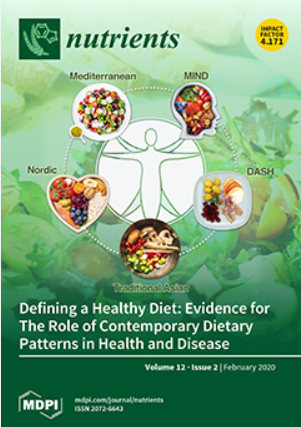
Nutrients (ISSN 2072-6643) is an international, peer-reviewed open access advanced forum for studies related to Human Nutrition. It publishes reviews, regular research papers and short communications. Our aim is to encourage scientists to publish their experimental and theoretical results in as much detail as possible. There is no restriction on the length of the papers. The full experimental details must be provided so that the results can be reproduced.





 京公网安备 11010802042870号
京ICP备2023020795号-1
京公网安备 11010802042870号
京ICP备2023020795号-1

 分享
分享
 求助内容:
求助内容: 应助结果提醒方式:
 扫码关注我们
