{"title":"健康生活方式社区计划(HLCP-3)对干预研究后6个月内与生活方式疾病相关的三甲胺n -氧化物(TMAO)和风险概况参数的影响","authors":"Dima-Karam Nasereddin Alzughayyar, Ragna-Marie Weber, Sarah Husain, Nora Schoch, Heike Englert","doi":"10.3390/nu17020298","DOIUrl":null,"url":null,"abstract":"<p><strong>Rationale: </strong>The dietary components choline, betaine, and L-carnitine are converted by intestinal microbiota into the molecule trimethylamine (TMA). In the human liver, hepatic flavin-containing monooxygenase 3 oxidizes TMA to trimethylamine-N-oxide (TMAO). TMAO is considered a candidate marker for the risk of cardiovascular disease.</p><p><strong>Methodology: </strong>The Healthy Lifestyle Community Program cohort 3 (HLCP-3) intervention was conducted with participants recruited from the general population in Germany (intervention: n = 99; control: n = 48). The intervention included intensive educational workshops, seminars, and coaching activities. The assessment was conducted using a complete case analysis (CCA) of the participants. The intervention was carried out for a ten-week intensive phase and an alumni phase. The interventional program emphasizes adopting a healthy plant-based diet and reducing meat consumption, as adherence to such a diet may lead to lowering TMAO levels. Additionally, it provides general recommendations about physical activity, stress management, and community support. The control group did not receive any intervention. TMAO was evaluated using stable isotope dilution liquid chromatography, and tandem mass spectrometry was used to measure fasting plasma levels of TMAO.</p><p><strong>Objectives: </strong>The present study aimed to determine the impact of the Healthy Lifestyle Community Program (HLCP-3) on risk profiles for lifestyle-related diseases and TMAO plasma levels.</p><p><strong>Results: </strong>Significant decreases in most risk profile parameters were detected, and a non-significant decrease in plasma TMAO levels was observed in the intervention group (0.37 (-1.33; 0.59) µmol/L). Furthermore, for the intervention group, after a six-month follow-up period, there was a significant negative correlation between higher healthy plant diet index (hPDI) scores and a decrease in plasma TMAO (ß = -0.200, <i>p</i> = 0.027). Additionally, a significant negative correlation was observed between the TMAO level and the scores for adherence to the plant diet index (PDI) (r = -0.195; <i>p</i> = 0.023).</p><p><strong>Conclusions: </strong>HLCP-3 is effective at improving adherence to a plant-based diet and improving risk profile parameters. However, long-term interventions involving stricter dietary programs in the sense of a plant-based diet are recommended if significant decreases in TMAO levels are to be obtained.</p>","PeriodicalId":19486,"journal":{"name":"Nutrients","volume":"17 2","pages":""},"PeriodicalIF":5.8000,"publicationDate":"2025-01-16","publicationTypes":"Journal Article","fieldsOfStudy":null,"isOpenAccess":false,"openAccessPdf":"https://www.ncbi.nlm.nih.gov/pmc/articles/PMC11767924/pdf/","citationCount":"0","resultStr":"{\"title\":\"Impact of the Healthy Lifestyle Community Program (HLCP-3) on Trimethylamine N-Oxide (TMAO) and Risk Profile Parameters Related to Lifestyle Diseases During the Six Months Following an Intervention Study.\",\"authors\":\"Dima-Karam Nasereddin Alzughayyar, Ragna-Marie Weber, Sarah Husain, Nora Schoch, Heike Englert\",\"doi\":\"10.3390/nu17020298\",\"DOIUrl\":null,\"url\":null,\"abstract\":\"<p><strong>Rationale: </strong>The dietary components choline, betaine, and L-carnitine are converted by intestinal microbiota into the molecule trimethylamine (TMA). In the human liver, hepatic flavin-containing monooxygenase 3 oxidizes TMA to trimethylamine-N-oxide (TMAO). TMAO is considered a candidate marker for the risk of cardiovascular disease.</p><p><strong>Methodology: </strong>The Healthy Lifestyle Community Program cohort 3 (HLCP-3) intervention was conducted with participants recruited from the general population in Germany (intervention: n = 99; control: n = 48). The intervention included intensive educational workshops, seminars, and coaching activities. The assessment was conducted using a complete case analysis (CCA) of the participants. The intervention was carried out for a ten-week intensive phase and an alumni phase. The interventional program emphasizes adopting a healthy plant-based diet and reducing meat consumption, as adherence to such a diet may lead to lowering TMAO levels. Additionally, it provides general recommendations about physical activity, stress management, and community support. The control group did not receive any intervention. TMAO was evaluated using stable isotope dilution liquid chromatography, and tandem mass spectrometry was used to measure fasting plasma levels of TMAO.</p><p><strong>Objectives: </strong>The present study aimed to determine the impact of the Healthy Lifestyle Community Program (HLCP-3) on risk profiles for lifestyle-related diseases and TMAO plasma levels.</p><p><strong>Results: </strong>Significant decreases in most risk profile parameters were detected, and a non-significant decrease in plasma TMAO levels was observed in the intervention group (0.37 (-1.33; 0.59) µmol/L). Furthermore, for the intervention group, after a six-month follow-up period, there was a significant negative correlation between higher healthy plant diet index (hPDI) scores and a decrease in plasma TMAO (ß = -0.200, <i>p</i> = 0.027). Additionally, a significant negative correlation was observed between the TMAO level and the scores for adherence to the plant diet index (PDI) (r = -0.195; <i>p</i> = 0.023).</p><p><strong>Conclusions: </strong>HLCP-3 is effective at improving adherence to a plant-based diet and improving risk profile parameters. However, long-term interventions involving stricter dietary programs in the sense of a plant-based diet are recommended if significant decreases in TMAO levels are to be obtained.</p>\",\"PeriodicalId\":19486,\"journal\":{\"name\":\"Nutrients\",\"volume\":\"17 2\",\"pages\":\"\"},\"PeriodicalIF\":5.8000,\"publicationDate\":\"2025-01-16\",\"publicationTypes\":\"Journal Article\",\"fieldsOfStudy\":null,\"isOpenAccess\":false,\"openAccessPdf\":\"https://www.ncbi.nlm.nih.gov/pmc/articles/PMC11767924/pdf/\",\"citationCount\":\"0\",\"resultStr\":null,\"platform\":\"Semanticscholar\",\"paperid\":null,\"PeriodicalName\":\"Nutrients\",\"FirstCategoryId\":\"3\",\"ListUrlMain\":\"https://doi.org/10.3390/nu17020298\",\"RegionNum\":2,\"RegionCategory\":\"医学\",\"ArticlePicture\":[],\"TitleCN\":null,\"AbstractTextCN\":null,\"PMCID\":null,\"EPubDate\":\"\",\"PubModel\":\"\",\"JCR\":\"Q1\",\"JCRName\":\"NUTRITION & DIETETICS\",\"Score\":null,\"Total\":0}","platform":"Semanticscholar","paperid":null,"PeriodicalName":"Nutrients","FirstCategoryId":"3","ListUrlMain":"https://doi.org/10.3390/nu17020298","RegionNum":2,"RegionCategory":"医学","ArticlePicture":[],"TitleCN":null,"AbstractTextCN":null,"PMCID":null,"EPubDate":"","PubModel":"","JCR":"Q1","JCRName":"NUTRITION & DIETETICS","Score":null,"Total":0}
Impact of the Healthy Lifestyle Community Program (HLCP-3) on Trimethylamine N-Oxide (TMAO) and Risk Profile Parameters Related to Lifestyle Diseases During the Six Months Following an Intervention Study.
Rationale: The dietary components choline, betaine, and L-carnitine are converted by intestinal microbiota into the molecule trimethylamine (TMA). In the human liver, hepatic flavin-containing monooxygenase 3 oxidizes TMA to trimethylamine-N-oxide (TMAO). TMAO is considered a candidate marker for the risk of cardiovascular disease.
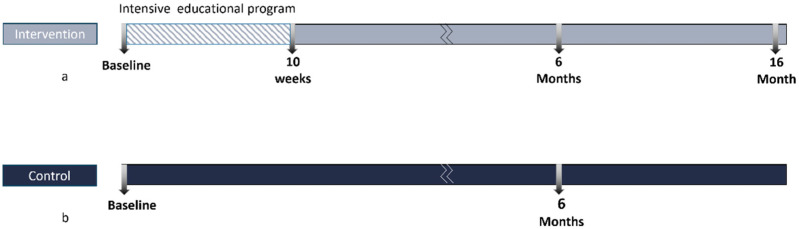
Methodology: The Healthy Lifestyle Community Program cohort 3 (HLCP-3) intervention was conducted with participants recruited from the general population in Germany (intervention: n = 99; control: n = 48). The intervention included intensive educational workshops, seminars, and coaching activities. The assessment was conducted using a complete case analysis (CCA) of the participants. The intervention was carried out for a ten-week intensive phase and an alumni phase. The interventional program emphasizes adopting a healthy plant-based diet and reducing meat consumption, as adherence to such a diet may lead to lowering TMAO levels. Additionally, it provides general recommendations about physical activity, stress management, and community support. The control group did not receive any intervention. TMAO was evaluated using stable isotope dilution liquid chromatography, and tandem mass spectrometry was used to measure fasting plasma levels of TMAO.
Objectives: The present study aimed to determine the impact of the Healthy Lifestyle Community Program (HLCP-3) on risk profiles for lifestyle-related diseases and TMAO plasma levels.
Results: Significant decreases in most risk profile parameters were detected, and a non-significant decrease in plasma TMAO levels was observed in the intervention group (0.37 (-1.33; 0.59) µmol/L). Furthermore, for the intervention group, after a six-month follow-up period, there was a significant negative correlation between higher healthy plant diet index (hPDI) scores and a decrease in plasma TMAO (ß = -0.200, p = 0.027). Additionally, a significant negative correlation was observed between the TMAO level and the scores for adherence to the plant diet index (PDI) (r = -0.195; p = 0.023).
Conclusions: HLCP-3 is effective at improving adherence to a plant-based diet and improving risk profile parameters. However, long-term interventions involving stricter dietary programs in the sense of a plant-based diet are recommended if significant decreases in TMAO levels are to be obtained.
期刊介绍:
Nutrients (ISSN 2072-6643) is an international, peer-reviewed open access advanced forum for studies related to Human Nutrition. It publishes reviews, regular research papers and short communications. Our aim is to encourage scientists to publish their experimental and theoretical results in as much detail as possible. There is no restriction on the length of the papers. The full experimental details must be provided so that the results can be reproduced.






 京公网安备 11010802042870号
京ICP备2023020795号-1
京公网安备 11010802042870号
京ICP备2023020795号-1

 分享
分享
 求助内容:
求助内容: 应助结果提醒方式:
 扫码关注我们
