Francesco Trevisani, Matteo Paccagnella, Andrea Angioi, Francesco Fiorio, Matteo Floris, Andrea Pontara, Giuseppe Rosiello, Silvia Violante, Umberto Capitanio, Andrea Salonia, Francesco Montorsi, Arianna Bettiga
{"title":"维持营养充足状态和身体活动在肿瘤肾病学中的作用:不再是神话,而是现实。","authors":"Francesco Trevisani, Matteo Paccagnella, Andrea Angioi, Francesco Fiorio, Matteo Floris, Andrea Pontara, Giuseppe Rosiello, Silvia Violante, Umberto Capitanio, Andrea Salonia, Francesco Montorsi, Arianna Bettiga","doi":"10.3390/nu17020335","DOIUrl":null,"url":null,"abstract":"<p><p><b>Background:</b> Physical Activity (PA) provides numerous biological and psychological benefits, especially for cancer patients. PA mitigates treatment side effects, influences hormones, inflammation, adiposity, and immune function, and reduces symptoms of anxiety, depression, and fatigue. This study evaluates the impact of PA on these positive outcomes. <b>Materials and Methods:</b> An observational retrospective study enrolled 81 patients: 31 with CKD stages II-V and 50 with CKD and urological malignancies. Baseline and 6-month follow-up visits included clinical (Iohexol, Creatinine, Cystatin C) and anthropometric parameters (Bioimpedance Analysis, body circumferences). Physical activity levels were assessed using the Rapid Assessment of Physical Activity (RAPA) test. Patients followed a Mediterranean-like diet with controlled protein intake (MCPD) and received PA improvement advice. Statistical analysis was performed using linear regression and Pearson's Chi-Squared test with R programming. <b>Results:</b> Significant reductions in total adiposity and abdominal fat and improved body fluid distribution were observed. Post intervention, there was a 25.4% reduction in inactive individuals and an 88% increase in active lifestyles. Patients aged 75+ were more likely to be sedentary, indicating a need for increased professional attention. No correlation was found between increased PA and creatinine, cystatin, and eGFR values, but a positive correlation with GFR measured by iohexol clearance remained significant in multivariate analysis. Post intervention, regular PA engagement increased from 12.3% to 48% (<i>p</i> < 0.002). <b>Conclusions:</b> Incorporating PA and nutritional assessments into standard clinical care, supported by a collaborative nephrologist-nutritionist approach, can enhance the quality of life of CKD patients.</p>","PeriodicalId":19486,"journal":{"name":"Nutrients","volume":"17 2","pages":""},"PeriodicalIF":5.0000,"publicationDate":"2025-01-17","publicationTypes":"Journal Article","fieldsOfStudy":null,"isOpenAccess":false,"openAccessPdf":"https://www.ncbi.nlm.nih.gov/pmc/articles/PMC11768965/pdf/","citationCount":"0","resultStr":"{\"title\":\"The Role of Maintaining Nutritional Adequacy Status and Physical Activity in Onco-Nephrology: Not a Myth Anymore, but a Reality.\",\"authors\":\"Francesco Trevisani, Matteo Paccagnella, Andrea Angioi, Francesco Fiorio, Matteo Floris, Andrea Pontara, Giuseppe Rosiello, Silvia Violante, Umberto Capitanio, Andrea Salonia, Francesco Montorsi, Arianna Bettiga\",\"doi\":\"10.3390/nu17020335\",\"DOIUrl\":null,\"url\":null,\"abstract\":\"<p><p><b>Background:</b> Physical Activity (PA) provides numerous biological and psychological benefits, especially for cancer patients. PA mitigates treatment side effects, influences hormones, inflammation, adiposity, and immune function, and reduces symptoms of anxiety, depression, and fatigue. This study evaluates the impact of PA on these positive outcomes. <b>Materials and Methods:</b> An observational retrospective study enrolled 81 patients: 31 with CKD stages II-V and 50 with CKD and urological malignancies. Baseline and 6-month follow-up visits included clinical (Iohexol, Creatinine, Cystatin C) and anthropometric parameters (Bioimpedance Analysis, body circumferences). Physical activity levels were assessed using the Rapid Assessment of Physical Activity (RAPA) test. Patients followed a Mediterranean-like diet with controlled protein intake (MCPD) and received PA improvement advice. Statistical analysis was performed using linear regression and Pearson's Chi-Squared test with R programming. <b>Results:</b> Significant reductions in total adiposity and abdominal fat and improved body fluid distribution were observed. Post intervention, there was a 25.4% reduction in inactive individuals and an 88% increase in active lifestyles. Patients aged 75+ were more likely to be sedentary, indicating a need for increased professional attention. No correlation was found between increased PA and creatinine, cystatin, and eGFR values, but a positive correlation with GFR measured by iohexol clearance remained significant in multivariate analysis. Post intervention, regular PA engagement increased from 12.3% to 48% (<i>p</i> < 0.002). <b>Conclusions:</b> Incorporating PA and nutritional assessments into standard clinical care, supported by a collaborative nephrologist-nutritionist approach, can enhance the quality of life of CKD patients.</p>\",\"PeriodicalId\":19486,\"journal\":{\"name\":\"Nutrients\",\"volume\":\"17 2\",\"pages\":\"\"},\"PeriodicalIF\":5.0000,\"publicationDate\":\"2025-01-17\",\"publicationTypes\":\"Journal Article\",\"fieldsOfStudy\":null,\"isOpenAccess\":false,\"openAccessPdf\":\"https://www.ncbi.nlm.nih.gov/pmc/articles/PMC11768965/pdf/\",\"citationCount\":\"0\",\"resultStr\":null,\"platform\":\"Semanticscholar\",\"paperid\":null,\"PeriodicalName\":\"Nutrients\",\"FirstCategoryId\":\"3\",\"ListUrlMain\":\"https://doi.org/10.3390/nu17020335\",\"RegionNum\":2,\"RegionCategory\":\"医学\",\"ArticlePicture\":[],\"TitleCN\":null,\"AbstractTextCN\":null,\"PMCID\":null,\"EPubDate\":\"\",\"PubModel\":\"\",\"JCR\":\"Q1\",\"JCRName\":\"NUTRITION & DIETETICS\",\"Score\":null,\"Total\":0}","platform":"Semanticscholar","paperid":null,"PeriodicalName":"Nutrients","FirstCategoryId":"3","ListUrlMain":"https://doi.org/10.3390/nu17020335","RegionNum":2,"RegionCategory":"医学","ArticlePicture":[],"TitleCN":null,"AbstractTextCN":null,"PMCID":null,"EPubDate":"","PubModel":"","JCR":"Q1","JCRName":"NUTRITION & DIETETICS","Score":null,"Total":0}
The Role of Maintaining Nutritional Adequacy Status and Physical Activity in Onco-Nephrology: Not a Myth Anymore, but a Reality.
Background: Physical Activity (PA) provides numerous biological and psychological benefits, especially for cancer patients. PA mitigates treatment side effects, influences hormones, inflammation, adiposity, and immune function, and reduces symptoms of anxiety, depression, and fatigue. This study evaluates the impact of PA on these positive outcomes. Materials and Methods: An observational retrospective study enrolled 81 patients: 31 with CKD stages II-V and 50 with CKD and urological malignancies. Baseline and 6-month follow-up visits included clinical (Iohexol, Creatinine, Cystatin C) and anthropometric parameters (Bioimpedance Analysis, body circumferences). Physical activity levels were assessed using the Rapid Assessment of Physical Activity (RAPA) test. Patients followed a Mediterranean-like diet with controlled protein intake (MCPD) and received PA improvement advice. Statistical analysis was performed using linear regression and Pearson's Chi-Squared test with R programming. Results: Significant reductions in total adiposity and abdominal fat and improved body fluid distribution were observed. Post intervention, there was a 25.4% reduction in inactive individuals and an 88% increase in active lifestyles. Patients aged 75+ were more likely to be sedentary, indicating a need for increased professional attention. No correlation was found between increased PA and creatinine, cystatin, and eGFR values, but a positive correlation with GFR measured by iohexol clearance remained significant in multivariate analysis. Post intervention, regular PA engagement increased from 12.3% to 48% (p < 0.002). Conclusions: Incorporating PA and nutritional assessments into standard clinical care, supported by a collaborative nephrologist-nutritionist approach, can enhance the quality of life of CKD patients.
期刊介绍:
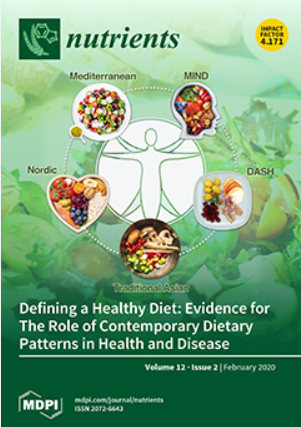
Nutrients (ISSN 2072-6643) is an international, peer-reviewed open access advanced forum for studies related to Human Nutrition. It publishes reviews, regular research papers and short communications. Our aim is to encourage scientists to publish their experimental and theoretical results in as much detail as possible. There is no restriction on the length of the papers. The full experimental details must be provided so that the results can be reproduced.






 京公网安备 11010802042870号
京ICP备2023020795号-1
京公网安备 11010802042870号
京ICP备2023020795号-1

 分享
分享
 求助内容:
求助内容: 应助结果提醒方式:
 扫码关注我们
