{"title":"精神疲劳状态评估的深度学习方法。","authors":"Jiaxing Fan, Lin Dong, Gang Sun, Zhize Zhou","doi":"10.3390/s25020555","DOIUrl":null,"url":null,"abstract":"<p><p>This study investigates mental fatigue in sports activities by leveraging deep learning techniques, deviating from the conventional use of heart rate variability (HRV) feature analysis found in previous research. The study utilizes a hybrid deep neural network model, which integrates Residual Networks (ResNet) and Bidirectional Long Short-Term Memory (Bi-LSTM) for feature extraction, and a transformer for feature fusion. The model achieves an impressive accuracy of 95.29% in identifying fatigue from original ECG data, 2D spectral characteristics and physiological information of subjects. In comparison to traditional methods, such as Support Vector Machines (SVMs) and Random Forests (RFs), as well as other deep learning methods, including Convolutional Neural Networks (CNNs) and Long Short-Term Memory (LSTM), the proposed approach demonstrates significantly improved experimental outcomes. Overall, this study offers a promising solution for accurately recognizing fatigue through the analysis of physiological signals, with potential applications in sports and physical fitness training contexts.</p>","PeriodicalId":21698,"journal":{"name":"Sensors","volume":"25 2","pages":""},"PeriodicalIF":4.0000,"publicationDate":"2025-01-19","publicationTypes":"Journal Article","fieldsOfStudy":null,"isOpenAccess":false,"openAccessPdf":"https://www.ncbi.nlm.nih.gov/pmc/articles/PMC11769183/pdf/","citationCount":"0","resultStr":"{\"title\":\"A Deep Learning Approach for Mental Fatigue State Assessment.\",\"authors\":\"Jiaxing Fan, Lin Dong, Gang Sun, Zhize Zhou\",\"doi\":\"10.3390/s25020555\",\"DOIUrl\":null,\"url\":null,\"abstract\":\"<p><p>This study investigates mental fatigue in sports activities by leveraging deep learning techniques, deviating from the conventional use of heart rate variability (HRV) feature analysis found in previous research. The study utilizes a hybrid deep neural network model, which integrates Residual Networks (ResNet) and Bidirectional Long Short-Term Memory (Bi-LSTM) for feature extraction, and a transformer for feature fusion. The model achieves an impressive accuracy of 95.29% in identifying fatigue from original ECG data, 2D spectral characteristics and physiological information of subjects. In comparison to traditional methods, such as Support Vector Machines (SVMs) and Random Forests (RFs), as well as other deep learning methods, including Convolutional Neural Networks (CNNs) and Long Short-Term Memory (LSTM), the proposed approach demonstrates significantly improved experimental outcomes. Overall, this study offers a promising solution for accurately recognizing fatigue through the analysis of physiological signals, with potential applications in sports and physical fitness training contexts.</p>\",\"PeriodicalId\":21698,\"journal\":{\"name\":\"Sensors\",\"volume\":\"25 2\",\"pages\":\"\"},\"PeriodicalIF\":4.0000,\"publicationDate\":\"2025-01-19\",\"publicationTypes\":\"Journal Article\",\"fieldsOfStudy\":null,\"isOpenAccess\":false,\"openAccessPdf\":\"https://www.ncbi.nlm.nih.gov/pmc/articles/PMC11769183/pdf/\",\"citationCount\":\"0\",\"resultStr\":null,\"platform\":\"Semanticscholar\",\"paperid\":null,\"PeriodicalName\":\"Sensors\",\"FirstCategoryId\":\"103\",\"ListUrlMain\":\"https://doi.org/10.3390/s25020555\",\"RegionNum\":3,\"RegionCategory\":\"综合性期刊\",\"ArticlePicture\":[],\"TitleCN\":null,\"AbstractTextCN\":null,\"PMCID\":null,\"EPubDate\":\"\",\"PubModel\":\"\",\"JCR\":\"Q2\",\"JCRName\":\"CHEMISTRY, ANALYTICAL\",\"Score\":null,\"Total\":0}","platform":"Semanticscholar","paperid":null,"PeriodicalName":"Sensors","FirstCategoryId":"103","ListUrlMain":"https://doi.org/10.3390/s25020555","RegionNum":3,"RegionCategory":"综合性期刊","ArticlePicture":[],"TitleCN":null,"AbstractTextCN":null,"PMCID":null,"EPubDate":"","PubModel":"","JCR":"Q2","JCRName":"CHEMISTRY, ANALYTICAL","Score":null,"Total":0}
A Deep Learning Approach for Mental Fatigue State Assessment.
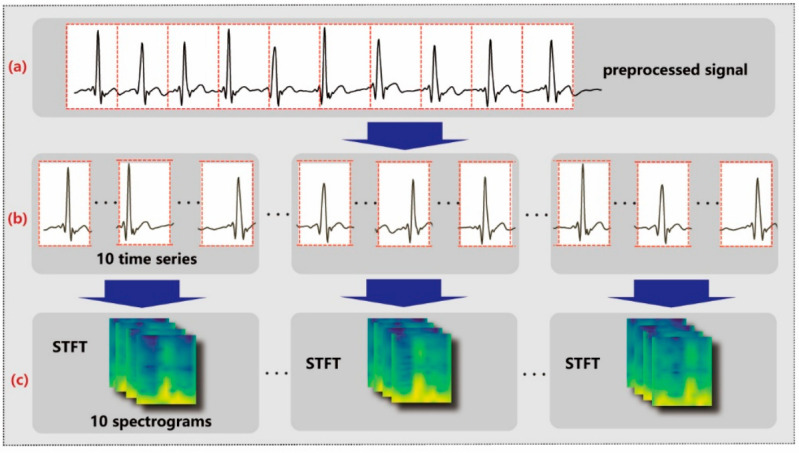
This study investigates mental fatigue in sports activities by leveraging deep learning techniques, deviating from the conventional use of heart rate variability (HRV) feature analysis found in previous research. The study utilizes a hybrid deep neural network model, which integrates Residual Networks (ResNet) and Bidirectional Long Short-Term Memory (Bi-LSTM) for feature extraction, and a transformer for feature fusion. The model achieves an impressive accuracy of 95.29% in identifying fatigue from original ECG data, 2D spectral characteristics and physiological information of subjects. In comparison to traditional methods, such as Support Vector Machines (SVMs) and Random Forests (RFs), as well as other deep learning methods, including Convolutional Neural Networks (CNNs) and Long Short-Term Memory (LSTM), the proposed approach demonstrates significantly improved experimental outcomes. Overall, this study offers a promising solution for accurately recognizing fatigue through the analysis of physiological signals, with potential applications in sports and physical fitness training contexts.
期刊介绍:
Sensors (ISSN 1424-8220) provides an advanced forum for the science and technology of sensors and biosensors. It publishes reviews (including comprehensive reviews on the complete sensors products), regular research papers and short notes. Our aim is to encourage scientists to publish their experimental and theoretical results in as much detail as possible. There is no restriction on the length of the papers. The full experimental details must be provided so that the results can be reproduced.






 京公网安备 11010802042870号
京ICP备2023020795号-1
京公网安备 11010802042870号
京ICP备2023020795号-1

 分享
分享
 求助内容:
求助内容: 应助结果提醒方式:
 扫码关注我们
