{"title":"基于视觉的人体步态分析传感器系统综述。","authors":"Xiaofeng Han, Diego Guffanti, Alberto Brunete","doi":"10.3390/s25020498","DOIUrl":null,"url":null,"abstract":"<p><p>Analysis of the human gait represents a fundamental area of investigation within the broader domains of biomechanics, clinical research, and numerous other interdisciplinary fields. The progression of visual sensor technology and machine learning algorithms has enabled substantial developments in the creation of human gait analysis systems. This paper presents a comprehensive review of the advancements and recent findings in the field of vision-based human gait analysis systems over the past five years, with a special emphasis on the role of vision sensors, machine learning algorithms, and technological innovations. The relevant papers were subjected to analysis using the PRISMA method, and 72 articles that met the criteria for this research project were identified. A detailing of the most commonly used visual sensor systems, machine learning algorithms, human gait analysis parameters, optimal camera placement, and gait parameter extraction methods is presented in the analysis. The findings of this research indicate that non-invasive depth cameras are gaining increasing popularity within this field. Furthermore, depth learning algorithms, such as convolutional neural networks (CNNs) and long short-term memory (LSTM) networks, are being employed with increasing frequency. This review seeks to establish the foundations for future innovations that will facilitate the development of more effective, versatile, and user-friendly gait analysis tools, with the potential to significantly enhance human mobility, health, and overall quality of life. This work was supported by [GOBIERNO DE ESPANA/PID2023-150967OB-I00].</p>","PeriodicalId":21698,"journal":{"name":"Sensors","volume":"25 2","pages":""},"PeriodicalIF":3.5000,"publicationDate":"2025-01-16","publicationTypes":"Journal Article","fieldsOfStudy":null,"isOpenAccess":false,"openAccessPdf":"https://www.ncbi.nlm.nih.gov/pmc/articles/PMC11768493/pdf/","citationCount":"0","resultStr":"{\"title\":\"A Comprehensive Review of Vision-Based Sensor Systems for Human Gait Analysis.\",\"authors\":\"Xiaofeng Han, Diego Guffanti, Alberto Brunete\",\"doi\":\"10.3390/s25020498\",\"DOIUrl\":null,\"url\":null,\"abstract\":\"<p><p>Analysis of the human gait represents a fundamental area of investigation within the broader domains of biomechanics, clinical research, and numerous other interdisciplinary fields. The progression of visual sensor technology and machine learning algorithms has enabled substantial developments in the creation of human gait analysis systems. This paper presents a comprehensive review of the advancements and recent findings in the field of vision-based human gait analysis systems over the past five years, with a special emphasis on the role of vision sensors, machine learning algorithms, and technological innovations. The relevant papers were subjected to analysis using the PRISMA method, and 72 articles that met the criteria for this research project were identified. A detailing of the most commonly used visual sensor systems, machine learning algorithms, human gait analysis parameters, optimal camera placement, and gait parameter extraction methods is presented in the analysis. The findings of this research indicate that non-invasive depth cameras are gaining increasing popularity within this field. Furthermore, depth learning algorithms, such as convolutional neural networks (CNNs) and long short-term memory (LSTM) networks, are being employed with increasing frequency. This review seeks to establish the foundations for future innovations that will facilitate the development of more effective, versatile, and user-friendly gait analysis tools, with the potential to significantly enhance human mobility, health, and overall quality of life. This work was supported by [GOBIERNO DE ESPANA/PID2023-150967OB-I00].</p>\",\"PeriodicalId\":21698,\"journal\":{\"name\":\"Sensors\",\"volume\":\"25 2\",\"pages\":\"\"},\"PeriodicalIF\":3.5000,\"publicationDate\":\"2025-01-16\",\"publicationTypes\":\"Journal Article\",\"fieldsOfStudy\":null,\"isOpenAccess\":false,\"openAccessPdf\":\"https://www.ncbi.nlm.nih.gov/pmc/articles/PMC11768493/pdf/\",\"citationCount\":\"0\",\"resultStr\":null,\"platform\":\"Semanticscholar\",\"paperid\":null,\"PeriodicalName\":\"Sensors\",\"FirstCategoryId\":\"103\",\"ListUrlMain\":\"https://doi.org/10.3390/s25020498\",\"RegionNum\":3,\"RegionCategory\":\"综合性期刊\",\"ArticlePicture\":[],\"TitleCN\":null,\"AbstractTextCN\":null,\"PMCID\":null,\"EPubDate\":\"\",\"PubModel\":\"\",\"JCR\":\"Q2\",\"JCRName\":\"CHEMISTRY, ANALYTICAL\",\"Score\":null,\"Total\":0}","platform":"Semanticscholar","paperid":null,"PeriodicalName":"Sensors","FirstCategoryId":"103","ListUrlMain":"https://doi.org/10.3390/s25020498","RegionNum":3,"RegionCategory":"综合性期刊","ArticlePicture":[],"TitleCN":null,"AbstractTextCN":null,"PMCID":null,"EPubDate":"","PubModel":"","JCR":"Q2","JCRName":"CHEMISTRY, ANALYTICAL","Score":null,"Total":0}
引用次数: 0
摘要
人体步态分析是生物力学、临床研究和许多其他跨学科领域的一个基本研究领域。视觉传感器技术和机器学习算法的进步使人类步态分析系统的创建取得了实质性的发展。本文全面回顾了过去五年来基于视觉的人类步态分析系统的进展和最新发现,特别强调了视觉传感器、机器学习算法和技术创新的作用。使用PRISMA方法对相关论文进行分析,确定了72篇符合本研究项目标准的文章。详细介绍了最常用的视觉传感器系统、机器学习算法、人体步态分析参数、最佳摄像机位置和步态参数提取方法。研究结果表明,非侵入式深度相机在该领域越来越受欢迎。此外,深度学习算法,如卷积神经网络(cnn)和长短期记忆(LSTM)网络,正被越来越频繁地使用。本综述旨在为未来的创新奠定基础,这些创新将促进更有效、通用和用户友好的步态分析工具的发展,具有显著提高人类活动能力、健康和整体生活质量的潜力。这项工作得到[GOBIERNO DE ESPANA/ pid2023 - 150967b - i00]的支持。
A Comprehensive Review of Vision-Based Sensor Systems for Human Gait Analysis.
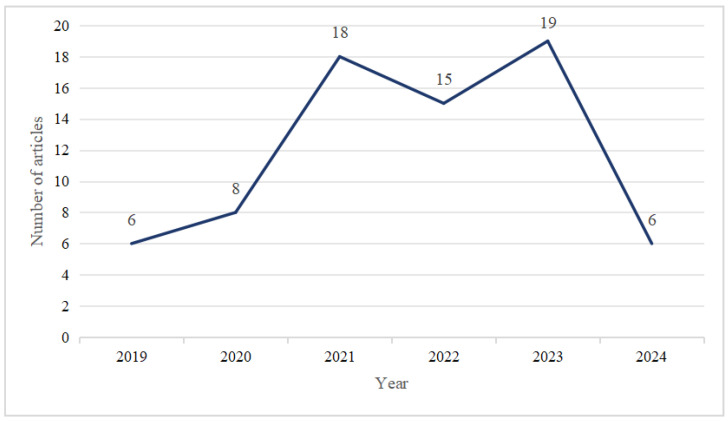
Analysis of the human gait represents a fundamental area of investigation within the broader domains of biomechanics, clinical research, and numerous other interdisciplinary fields. The progression of visual sensor technology and machine learning algorithms has enabled substantial developments in the creation of human gait analysis systems. This paper presents a comprehensive review of the advancements and recent findings in the field of vision-based human gait analysis systems over the past five years, with a special emphasis on the role of vision sensors, machine learning algorithms, and technological innovations. The relevant papers were subjected to analysis using the PRISMA method, and 72 articles that met the criteria for this research project were identified. A detailing of the most commonly used visual sensor systems, machine learning algorithms, human gait analysis parameters, optimal camera placement, and gait parameter extraction methods is presented in the analysis. The findings of this research indicate that non-invasive depth cameras are gaining increasing popularity within this field. Furthermore, depth learning algorithms, such as convolutional neural networks (CNNs) and long short-term memory (LSTM) networks, are being employed with increasing frequency. This review seeks to establish the foundations for future innovations that will facilitate the development of more effective, versatile, and user-friendly gait analysis tools, with the potential to significantly enhance human mobility, health, and overall quality of life. This work was supported by [GOBIERNO DE ESPANA/PID2023-150967OB-I00].
期刊介绍:
Sensors (ISSN 1424-8220) provides an advanced forum for the science and technology of sensors and biosensors. It publishes reviews (including comprehensive reviews on the complete sensors products), regular research papers and short notes. Our aim is to encourage scientists to publish their experimental and theoretical results in as much detail as possible. There is no restriction on the length of the papers. The full experimental details must be provided so that the results can be reproduced.






 京公网安备 11010802042870号
京ICP备2023020795号-1
京公网安备 11010802042870号
京ICP备2023020795号-1

 分享
分享
 求助内容:
求助内容: 应助结果提醒方式:
 扫码关注我们
