Aitana Fernández-Villardón, Alfonso Sáez de Ibarra, Ana Domínguez-Panchón, Rocío García-Carrión
{"title":"对话式文学聚会对精神病患者心智化能力的研究进展。","authors":"Aitana Fernández-Villardón, Alfonso Sáez de Ibarra, Ana Domínguez-Panchón, Rocío García-Carrión","doi":"10.1186/s40359-025-02381-0","DOIUrl":null,"url":null,"abstract":"<p><strong>Background: </strong>People with psychosis often experience a fragmented sense of self, making it difficult to integrate perceptions, memories, thoughts, and emotions related to themselves and others. Enhancing mentalization processes and fostering reflection are crucial for comprehensive recovery. As these processes are naturally developed through meaningful interactions and dialogue, incorporating a dialogic approach into the treatment of psychotic disorders may significantly support recovery.</p><p><strong>Methods: </strong>This study examines the impact of Dialogic Literary Gatherings (DLGs) on the ability of mentalizing in individuals with psychosis. A quasi-experimental mixed-methods study was conducted with 23 participants (6 women and 17 men) diagnosed with psychosis. Over five months, participants engaged in 18 DLG sessions. Mentalizing ability was assessed using the Mentalization Scale (MentS), and qualitative data included interviews (n = 2) and focus groups (n = 3), to explore changes in mentalization.</p><p><strong>Results: </strong>Participants reported an increase in mentalizing towards others and toward him or herself, and in motivation to mentalize. Dialogues during DLGs fostered empathy, awareness of individual differences, and deeper engagement with others' emotions. Besides, sharing feelings in this dialogic environment enabled participants to reflect on past experiences and find purpose in life. Consistently, patients reported that these dialogues provided a platform for expressing emotions, re-evaluating life perspectives, and achieving greater self-awareness.</p><p><strong>Conclusions: </strong>This study highlights Dialogic Literary Gatherings as a valuable tool for enhancing the ability to mentalize in clinical populations, offering a complementary approach to traditional psychotherapeutic interventions for individuals with psychosis.</p>","PeriodicalId":37867,"journal":{"name":"BMC Psychology","volume":"13 1","pages":"65"},"PeriodicalIF":3.0000,"publicationDate":"2025-01-24","publicationTypes":"Journal Article","fieldsOfStudy":null,"isOpenAccess":false,"openAccessPdf":"https://www.ncbi.nlm.nih.gov/pmc/articles/PMC11761782/pdf/","citationCount":"0","resultStr":"{\"title\":\"Progress in mentalizing ability among people with psychosis through dialogic literary gatherings.\",\"authors\":\"Aitana Fernández-Villardón, Alfonso Sáez de Ibarra, Ana Domínguez-Panchón, Rocío García-Carrión\",\"doi\":\"10.1186/s40359-025-02381-0\",\"DOIUrl\":null,\"url\":null,\"abstract\":\"<p><strong>Background: </strong>People with psychosis often experience a fragmented sense of self, making it difficult to integrate perceptions, memories, thoughts, and emotions related to themselves and others. Enhancing mentalization processes and fostering reflection are crucial for comprehensive recovery. As these processes are naturally developed through meaningful interactions and dialogue, incorporating a dialogic approach into the treatment of psychotic disorders may significantly support recovery.</p><p><strong>Methods: </strong>This study examines the impact of Dialogic Literary Gatherings (DLGs) on the ability of mentalizing in individuals with psychosis. A quasi-experimental mixed-methods study was conducted with 23 participants (6 women and 17 men) diagnosed with psychosis. Over five months, participants engaged in 18 DLG sessions. Mentalizing ability was assessed using the Mentalization Scale (MentS), and qualitative data included interviews (n = 2) and focus groups (n = 3), to explore changes in mentalization.</p><p><strong>Results: </strong>Participants reported an increase in mentalizing towards others and toward him or herself, and in motivation to mentalize. Dialogues during DLGs fostered empathy, awareness of individual differences, and deeper engagement with others' emotions. Besides, sharing feelings in this dialogic environment enabled participants to reflect on past experiences and find purpose in life. Consistently, patients reported that these dialogues provided a platform for expressing emotions, re-evaluating life perspectives, and achieving greater self-awareness.</p><p><strong>Conclusions: </strong>This study highlights Dialogic Literary Gatherings as a valuable tool for enhancing the ability to mentalize in clinical populations, offering a complementary approach to traditional psychotherapeutic interventions for individuals with psychosis.</p>\",\"PeriodicalId\":37867,\"journal\":{\"name\":\"BMC Psychology\",\"volume\":\"13 1\",\"pages\":\"65\"},\"PeriodicalIF\":3.0000,\"publicationDate\":\"2025-01-24\",\"publicationTypes\":\"Journal Article\",\"fieldsOfStudy\":null,\"isOpenAccess\":false,\"openAccessPdf\":\"https://www.ncbi.nlm.nih.gov/pmc/articles/PMC11761782/pdf/\",\"citationCount\":\"0\",\"resultStr\":null,\"platform\":\"Semanticscholar\",\"paperid\":null,\"PeriodicalName\":\"BMC Psychology\",\"FirstCategoryId\":\"102\",\"ListUrlMain\":\"https://doi.org/10.1186/s40359-025-02381-0\",\"RegionNum\":3,\"RegionCategory\":\"心理学\",\"ArticlePicture\":[],\"TitleCN\":null,\"AbstractTextCN\":null,\"PMCID\":null,\"EPubDate\":\"\",\"PubModel\":\"\",\"JCR\":\"Q1\",\"JCRName\":\"PSYCHOLOGY, MULTIDISCIPLINARY\",\"Score\":null,\"Total\":0}","platform":"Semanticscholar","paperid":null,"PeriodicalName":"BMC Psychology","FirstCategoryId":"102","ListUrlMain":"https://doi.org/10.1186/s40359-025-02381-0","RegionNum":3,"RegionCategory":"心理学","ArticlePicture":[],"TitleCN":null,"AbstractTextCN":null,"PMCID":null,"EPubDate":"","PubModel":"","JCR":"Q1","JCRName":"PSYCHOLOGY, MULTIDISCIPLINARY","Score":null,"Total":0}
Progress in mentalizing ability among people with psychosis through dialogic literary gatherings.
Background: People with psychosis often experience a fragmented sense of self, making it difficult to integrate perceptions, memories, thoughts, and emotions related to themselves and others. Enhancing mentalization processes and fostering reflection are crucial for comprehensive recovery. As these processes are naturally developed through meaningful interactions and dialogue, incorporating a dialogic approach into the treatment of psychotic disorders may significantly support recovery.
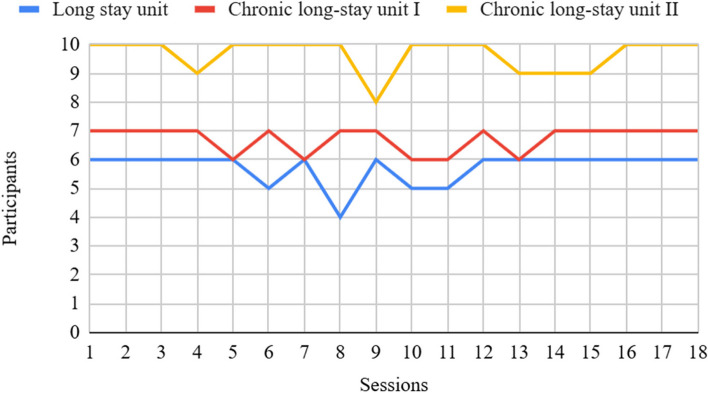
Methods: This study examines the impact of Dialogic Literary Gatherings (DLGs) on the ability of mentalizing in individuals with psychosis. A quasi-experimental mixed-methods study was conducted with 23 participants (6 women and 17 men) diagnosed with psychosis. Over five months, participants engaged in 18 DLG sessions. Mentalizing ability was assessed using the Mentalization Scale (MentS), and qualitative data included interviews (n = 2) and focus groups (n = 3), to explore changes in mentalization.
Results: Participants reported an increase in mentalizing towards others and toward him or herself, and in motivation to mentalize. Dialogues during DLGs fostered empathy, awareness of individual differences, and deeper engagement with others' emotions. Besides, sharing feelings in this dialogic environment enabled participants to reflect on past experiences and find purpose in life. Consistently, patients reported that these dialogues provided a platform for expressing emotions, re-evaluating life perspectives, and achieving greater self-awareness.
Conclusions: This study highlights Dialogic Literary Gatherings as a valuable tool for enhancing the ability to mentalize in clinical populations, offering a complementary approach to traditional psychotherapeutic interventions for individuals with psychosis.
期刊介绍:
BMC Psychology is an open access, peer-reviewed journal that considers manuscripts on all aspects of psychology, human behavior and the mind, including developmental, clinical, cognitive, experimental, health and social psychology, as well as personality and individual differences. The journal welcomes quantitative and qualitative research methods, including animal studies.




 京公网安备 11010802042870号
京ICP备2023020795号-1
京公网安备 11010802042870号
京ICP备2023020795号-1

 分享
分享
 求助内容:
求助内容: 应助结果提醒方式:
 扫码关注我们
