Ashish Misra, Peter J. Psaltis, Amandeep Rashid Mondal, Adam J. Nelson, Stefan Mark Nidorf
{"title":"使用低剂量秋水仙碱治疗心血管疾病的CLEAR-SYNERGY试验的意义和局限性","authors":"Ashish Misra, Peter J. Psaltis, Amandeep Rashid Mondal, Adam J. Nelson, Stefan Mark Nidorf","doi":"10.1038/s44161-024-00600-2","DOIUrl":null,"url":null,"abstract":"Low-dose colchicine is the only anti-inflammatory drug approved for secondary prevention of coronary disease. The CLEAR-SYNGERY trial of colchicine in acute myocardial infarction challenges the results of previous colchicine trials; however, clinicians should be aware of how its design and the COVID-19 pandemic affected the trial outcome.","PeriodicalId":74245,"journal":{"name":"Nature cardiovascular research","volume":"4 3","pages":"251-253"},"PeriodicalIF":10.8000,"publicationDate":"2025-01-24","publicationTypes":"Journal Article","fieldsOfStudy":null,"isOpenAccess":false,"openAccessPdf":"","citationCount":"0","resultStr":"{\"title\":\"Implications and limitations of the CLEAR-SYNERGY trial for the use of low-dose colchicine in cardiovascular disease\",\"authors\":\"Ashish Misra, Peter J. Psaltis, Amandeep Rashid Mondal, Adam J. Nelson, Stefan Mark Nidorf\",\"doi\":\"10.1038/s44161-024-00600-2\",\"DOIUrl\":null,\"url\":null,\"abstract\":\"Low-dose colchicine is the only anti-inflammatory drug approved for secondary prevention of coronary disease. The CLEAR-SYNGERY trial of colchicine in acute myocardial infarction challenges the results of previous colchicine trials; however, clinicians should be aware of how its design and the COVID-19 pandemic affected the trial outcome.\",\"PeriodicalId\":74245,\"journal\":{\"name\":\"Nature cardiovascular research\",\"volume\":\"4 3\",\"pages\":\"251-253\"},\"PeriodicalIF\":10.8000,\"publicationDate\":\"2025-01-24\",\"publicationTypes\":\"Journal Article\",\"fieldsOfStudy\":null,\"isOpenAccess\":false,\"openAccessPdf\":\"\",\"citationCount\":\"0\",\"resultStr\":null,\"platform\":\"Semanticscholar\",\"paperid\":null,\"PeriodicalName\":\"Nature cardiovascular research\",\"FirstCategoryId\":\"1085\",\"ListUrlMain\":\"https://www.nature.com/articles/s44161-024-00600-2\",\"RegionNum\":0,\"RegionCategory\":null,\"ArticlePicture\":[],\"TitleCN\":null,\"AbstractTextCN\":null,\"PMCID\":null,\"EPubDate\":\"\",\"PubModel\":\"\",\"JCR\":\"Q1\",\"JCRName\":\"CARDIAC & CARDIOVASCULAR SYSTEMS\",\"Score\":null,\"Total\":0}","platform":"Semanticscholar","paperid":null,"PeriodicalName":"Nature cardiovascular research","FirstCategoryId":"1085","ListUrlMain":"https://www.nature.com/articles/s44161-024-00600-2","RegionNum":0,"RegionCategory":null,"ArticlePicture":[],"TitleCN":null,"AbstractTextCN":null,"PMCID":null,"EPubDate":"","PubModel":"","JCR":"Q1","JCRName":"CARDIAC & CARDIOVASCULAR SYSTEMS","Score":null,"Total":0}
Implications and limitations of the CLEAR-SYNERGY trial for the use of low-dose colchicine in cardiovascular disease
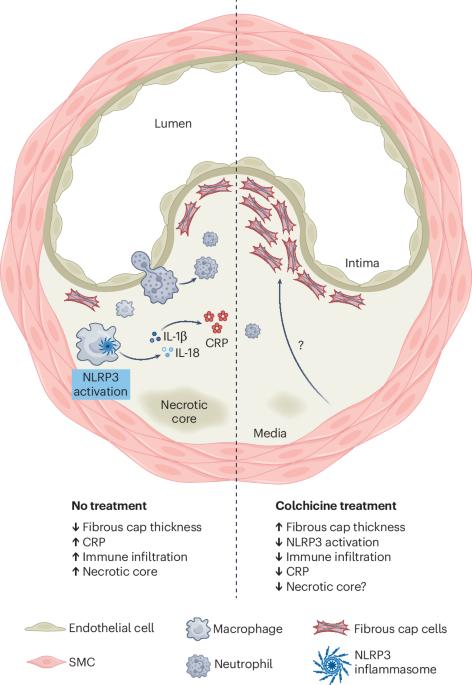
Low-dose colchicine is the only anti-inflammatory drug approved for secondary prevention of coronary disease. The CLEAR-SYNGERY trial of colchicine in acute myocardial infarction challenges the results of previous colchicine trials; however, clinicians should be aware of how its design and the COVID-19 pandemic affected the trial outcome.




 京公网安备 11010802042870号
京ICP备2023020795号-1
京公网安备 11010802042870号
京ICP备2023020795号-1

 分享
分享

 求助内容:
求助内容: 应助结果提醒方式:
 扫码关注我们
