Csaba Kazinczi, Noemi Szepfalusi, Viola Luca Nemeth, Adrienn Holczer, Katalin Jakab, Laszlo Vecsei, Peter Klivenyi, Anita Must, Mihaly Racsmany
{"title":"经颅直流电刺激和抑制控制训练对脑卒中后抑郁和焦虑的影响。","authors":"Csaba Kazinczi, Noemi Szepfalusi, Viola Luca Nemeth, Adrienn Holczer, Katalin Jakab, Laszlo Vecsei, Peter Klivenyi, Anita Must, Mihaly Racsmany","doi":"10.1186/s12883-025-04042-6","DOIUrl":null,"url":null,"abstract":"<p><strong>Background: </strong>Recent research has highlighted the role of fronto-parietal brain networks and cognitive control in mood disorders. Transcranial direct current stimulation (tDCS) and computer-based cognitive training are used in post-stroke rehabilitation. This study examined the combined effects ofof computer-based inhibitory control training (ICCT) and anodal tDCS on post-stroke depression and anxiety.</p><p><strong>Methods: </strong>Thirty-five participants were randomly assigned to one of three groups: active tDCS treatment (A), sham tDCS treatment with ICCT (T), or active tDCS with ICCT (AT), for a duration of ten days. Primary outcome measures included the Beck Depression Inventory (BDI), Hamilton Depression Rating Scale (HAM-D), and Spielberger's State-Trait Anxiety Inventory (STAI-S/T). Statistical analysis was performed using a Mixed-model Analysis of Variance, with supplementary Bayesian analysis.</p><p><strong>Results: </strong>The AT group showed a significant improvement in BDI scores (p < .001), whereas no significant effects were observed on the HAM-D, STAI-T, or STAI-S scales.</p><p><strong>Conclusions: </strong>The combination of tDCS and ICCT reduced depressive symptoms as measured by the BDI; while no significant effects were found with either treatment alone. Further research is needed to explore the mechanisms behind the synergistic effects in the treatment of post-stroke mood disorders.</p>","PeriodicalId":9170,"journal":{"name":"BMC Neurology","volume":"25 1","pages":"38"},"PeriodicalIF":2.6000,"publicationDate":"2025-01-27","publicationTypes":"Journal Article","fieldsOfStudy":null,"isOpenAccess":false,"openAccessPdf":"https://www.ncbi.nlm.nih.gov/pmc/articles/PMC11770995/pdf/","citationCount":"0","resultStr":"{\"title\":\"The effect of transcranial direct current stimulation and inhibitory control training on depression and anxiety among post-stroke individuals.\",\"authors\":\"Csaba Kazinczi, Noemi Szepfalusi, Viola Luca Nemeth, Adrienn Holczer, Katalin Jakab, Laszlo Vecsei, Peter Klivenyi, Anita Must, Mihaly Racsmany\",\"doi\":\"10.1186/s12883-025-04042-6\",\"DOIUrl\":null,\"url\":null,\"abstract\":\"<p><strong>Background: </strong>Recent research has highlighted the role of fronto-parietal brain networks and cognitive control in mood disorders. Transcranial direct current stimulation (tDCS) and computer-based cognitive training are used in post-stroke rehabilitation. This study examined the combined effects ofof computer-based inhibitory control training (ICCT) and anodal tDCS on post-stroke depression and anxiety.</p><p><strong>Methods: </strong>Thirty-five participants were randomly assigned to one of three groups: active tDCS treatment (A), sham tDCS treatment with ICCT (T), or active tDCS with ICCT (AT), for a duration of ten days. Primary outcome measures included the Beck Depression Inventory (BDI), Hamilton Depression Rating Scale (HAM-D), and Spielberger's State-Trait Anxiety Inventory (STAI-S/T). Statistical analysis was performed using a Mixed-model Analysis of Variance, with supplementary Bayesian analysis.</p><p><strong>Results: </strong>The AT group showed a significant improvement in BDI scores (p < .001), whereas no significant effects were observed on the HAM-D, STAI-T, or STAI-S scales.</p><p><strong>Conclusions: </strong>The combination of tDCS and ICCT reduced depressive symptoms as measured by the BDI; while no significant effects were found with either treatment alone. Further research is needed to explore the mechanisms behind the synergistic effects in the treatment of post-stroke mood disorders.</p>\",\"PeriodicalId\":9170,\"journal\":{\"name\":\"BMC Neurology\",\"volume\":\"25 1\",\"pages\":\"38\"},\"PeriodicalIF\":2.6000,\"publicationDate\":\"2025-01-27\",\"publicationTypes\":\"Journal Article\",\"fieldsOfStudy\":null,\"isOpenAccess\":false,\"openAccessPdf\":\"https://www.ncbi.nlm.nih.gov/pmc/articles/PMC11770995/pdf/\",\"citationCount\":\"0\",\"resultStr\":null,\"platform\":\"Semanticscholar\",\"paperid\":null,\"PeriodicalName\":\"BMC Neurology\",\"FirstCategoryId\":\"3\",\"ListUrlMain\":\"https://doi.org/10.1186/s12883-025-04042-6\",\"RegionNum\":3,\"RegionCategory\":\"医学\",\"ArticlePicture\":[],\"TitleCN\":null,\"AbstractTextCN\":null,\"PMCID\":null,\"EPubDate\":\"\",\"PubModel\":\"\",\"JCR\":\"Q3\",\"JCRName\":\"CLINICAL NEUROLOGY\",\"Score\":null,\"Total\":0}","platform":"Semanticscholar","paperid":null,"PeriodicalName":"BMC Neurology","FirstCategoryId":"3","ListUrlMain":"https://doi.org/10.1186/s12883-025-04042-6","RegionNum":3,"RegionCategory":"医学","ArticlePicture":[],"TitleCN":null,"AbstractTextCN":null,"PMCID":null,"EPubDate":"","PubModel":"","JCR":"Q3","JCRName":"CLINICAL NEUROLOGY","Score":null,"Total":0}
The effect of transcranial direct current stimulation and inhibitory control training on depression and anxiety among post-stroke individuals.
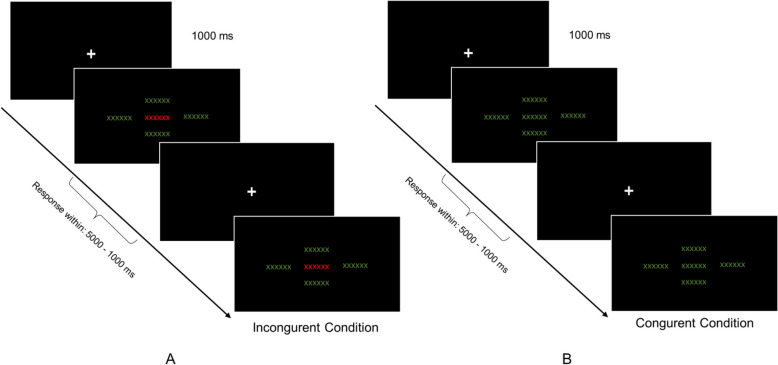
Background: Recent research has highlighted the role of fronto-parietal brain networks and cognitive control in mood disorders. Transcranial direct current stimulation (tDCS) and computer-based cognitive training are used in post-stroke rehabilitation. This study examined the combined effects ofof computer-based inhibitory control training (ICCT) and anodal tDCS on post-stroke depression and anxiety.
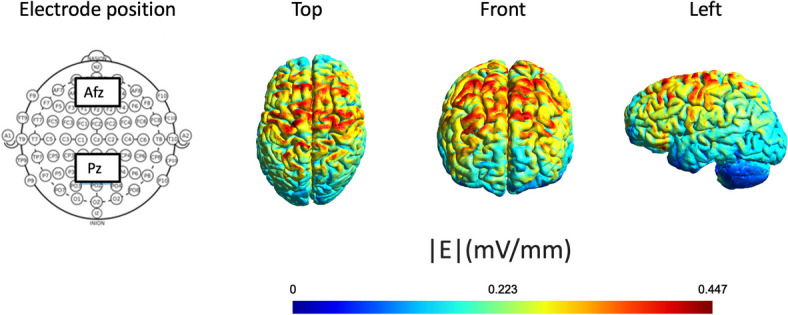
Methods: Thirty-five participants were randomly assigned to one of three groups: active tDCS treatment (A), sham tDCS treatment with ICCT (T), or active tDCS with ICCT (AT), for a duration of ten days. Primary outcome measures included the Beck Depression Inventory (BDI), Hamilton Depression Rating Scale (HAM-D), and Spielberger's State-Trait Anxiety Inventory (STAI-S/T). Statistical analysis was performed using a Mixed-model Analysis of Variance, with supplementary Bayesian analysis.
Results: The AT group showed a significant improvement in BDI scores (p < .001), whereas no significant effects were observed on the HAM-D, STAI-T, or STAI-S scales.
Conclusions: The combination of tDCS and ICCT reduced depressive symptoms as measured by the BDI; while no significant effects were found with either treatment alone. Further research is needed to explore the mechanisms behind the synergistic effects in the treatment of post-stroke mood disorders.
期刊介绍:
BMC Neurology is an open access, peer-reviewed journal that considers articles on all aspects of the prevention, diagnosis and management of neurological disorders, as well as related molecular genetics, pathophysiology, and epidemiology.





 京公网安备 11010802042870号
京ICP备2023020795号-1
京公网安备 11010802042870号
京ICP备2023020795号-1

 分享
分享
 求助内容:
求助内容: 应助结果提醒方式:
 扫码关注我们
