Andrea Caruso Leone, Arthur Menino Castilho, Fabiana Danieli, Daniela Bortoloti Calil, Katia de Almeida
{"title":"单侧颅面畸形儿童微创Ponto手术和局部麻醉的听力表现和软组织预后。","authors":"Andrea Caruso Leone, Arthur Menino Castilho, Fabiana Danieli, Daniela Bortoloti Calil, Katia de Almeida","doi":"10.1055/s-0044-1788910","DOIUrl":null,"url":null,"abstract":"<p><p><b>Introduction</b> Minimally invasive Ponto surgery (MIPS) enables the installation of percutaneous bone-anchored hearing implants (BAHIs) with a drill guide through a hole punch incision. Despite being well established for adults, there is a lack of studies in the literature regarding its use in pediatric patients. <b>Objective</b> The aim of the present study was to investigate the hearing performance and soft-tissue outcomes of the use of MIPS under local anesthesia in children with unilateral craniofacial malformation (UCM). <b>Methods</b> The study used a retrospective cohort design. Nine subjects with UCM, aged between 6.5 and 17.1 (median = 12) years, who underwent the MIPS procedure under local anesthesia were included. Surgical procedure, intra, and postoperative complications were investigated. Speech recognition thresholds in quiet (SRTQ) and in noise (SRTN), daily use, satisfaction, and perceptual listening effort of the subjects were assessed after 4 months of postoperative follow-up. <b>Results</b> It was possible to perform MIPS under local anesthesia in 8 of 9 subjects, with no intraoperative complications. One subject (11.11%) showed adverse skin reactions during a mean follow-up period of 11.4 months with MIPS. Speech recognition thresholds in quiet, SRTN, and subjective listening effort scores significantly decreased with the use of BAHI. The subjects were overall satisfied with the device and using it 8.2 hours/day, on average. <b>Conclusion</b> Under local anesthesia, MIPS showed to be a viable option for BAHI installation in children with UCM. The hearing performance of the subjects improved, and they were globally satisfied with the device. Soft-tissue complications were minimal, and our results are comparable to those reported in the literature for adults.</p>","PeriodicalId":13731,"journal":{"name":"International Archives of Otorhinolaryngology","volume":"29 1","pages":"1-7"},"PeriodicalIF":1.1000,"publicationDate":"2025-01-27","publicationTypes":"Journal Article","fieldsOfStudy":null,"isOpenAccess":false,"openAccessPdf":"https://www.ncbi.nlm.nih.gov/pmc/articles/PMC11772073/pdf/","citationCount":"0","resultStr":"{\"title\":\"Hearing Performance and Soft-Tissue Outcomes of Minimally Invasive Ponto Surgery and Local Anesthesia in Children with Unilateral Craniofacial Malformation.\",\"authors\":\"Andrea Caruso Leone, Arthur Menino Castilho, Fabiana Danieli, Daniela Bortoloti Calil, Katia de Almeida\",\"doi\":\"10.1055/s-0044-1788910\",\"DOIUrl\":null,\"url\":null,\"abstract\":\"<p><p><b>Introduction</b> Minimally invasive Ponto surgery (MIPS) enables the installation of percutaneous bone-anchored hearing implants (BAHIs) with a drill guide through a hole punch incision. Despite being well established for adults, there is a lack of studies in the literature regarding its use in pediatric patients. <b>Objective</b> The aim of the present study was to investigate the hearing performance and soft-tissue outcomes of the use of MIPS under local anesthesia in children with unilateral craniofacial malformation (UCM). <b>Methods</b> The study used a retrospective cohort design. Nine subjects with UCM, aged between 6.5 and 17.1 (median = 12) years, who underwent the MIPS procedure under local anesthesia were included. Surgical procedure, intra, and postoperative complications were investigated. Speech recognition thresholds in quiet (SRTQ) and in noise (SRTN), daily use, satisfaction, and perceptual listening effort of the subjects were assessed after 4 months of postoperative follow-up. <b>Results</b> It was possible to perform MIPS under local anesthesia in 8 of 9 subjects, with no intraoperative complications. One subject (11.11%) showed adverse skin reactions during a mean follow-up period of 11.4 months with MIPS. Speech recognition thresholds in quiet, SRTN, and subjective listening effort scores significantly decreased with the use of BAHI. The subjects were overall satisfied with the device and using it 8.2 hours/day, on average. <b>Conclusion</b> Under local anesthesia, MIPS showed to be a viable option for BAHI installation in children with UCM. The hearing performance of the subjects improved, and they were globally satisfied with the device. Soft-tissue complications were minimal, and our results are comparable to those reported in the literature for adults.</p>\",\"PeriodicalId\":13731,\"journal\":{\"name\":\"International Archives of Otorhinolaryngology\",\"volume\":\"29 1\",\"pages\":\"1-7\"},\"PeriodicalIF\":1.1000,\"publicationDate\":\"2025-01-27\",\"publicationTypes\":\"Journal Article\",\"fieldsOfStudy\":null,\"isOpenAccess\":false,\"openAccessPdf\":\"https://www.ncbi.nlm.nih.gov/pmc/articles/PMC11772073/pdf/\",\"citationCount\":\"0\",\"resultStr\":null,\"platform\":\"Semanticscholar\",\"paperid\":null,\"PeriodicalName\":\"International Archives of Otorhinolaryngology\",\"FirstCategoryId\":\"1085\",\"ListUrlMain\":\"https://doi.org/10.1055/s-0044-1788910\",\"RegionNum\":0,\"RegionCategory\":null,\"ArticlePicture\":[],\"TitleCN\":null,\"AbstractTextCN\":null,\"PMCID\":null,\"EPubDate\":\"2025/1/1 0:00:00\",\"PubModel\":\"eCollection\",\"JCR\":\"Q3\",\"JCRName\":\"OTORHINOLARYNGOLOGY\",\"Score\":null,\"Total\":0}","platform":"Semanticscholar","paperid":null,"PeriodicalName":"International Archives of Otorhinolaryngology","FirstCategoryId":"1085","ListUrlMain":"https://doi.org/10.1055/s-0044-1788910","RegionNum":0,"RegionCategory":null,"ArticlePicture":[],"TitleCN":null,"AbstractTextCN":null,"PMCID":null,"EPubDate":"2025/1/1 0:00:00","PubModel":"eCollection","JCR":"Q3","JCRName":"OTORHINOLARYNGOLOGY","Score":null,"Total":0}
Hearing Performance and Soft-Tissue Outcomes of Minimally Invasive Ponto Surgery and Local Anesthesia in Children with Unilateral Craniofacial Malformation.
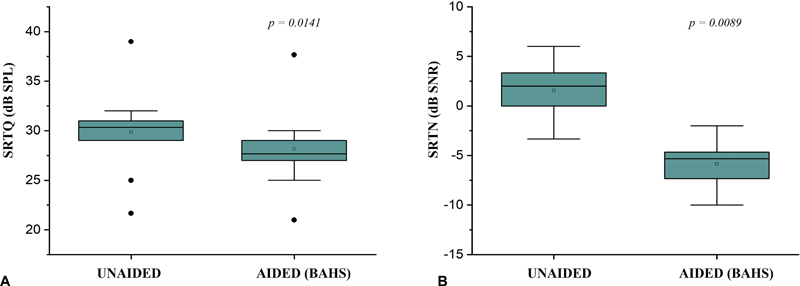
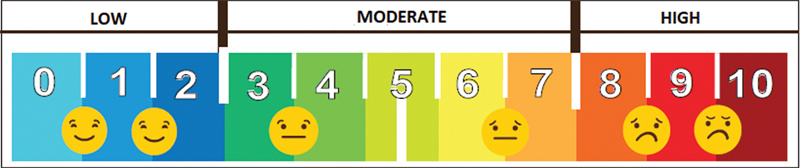
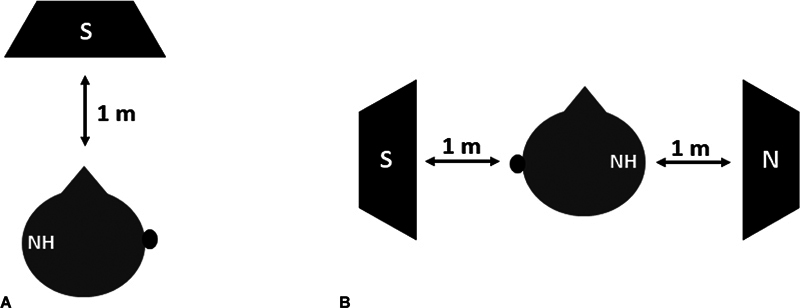
Introduction Minimally invasive Ponto surgery (MIPS) enables the installation of percutaneous bone-anchored hearing implants (BAHIs) with a drill guide through a hole punch incision. Despite being well established for adults, there is a lack of studies in the literature regarding its use in pediatric patients. Objective The aim of the present study was to investigate the hearing performance and soft-tissue outcomes of the use of MIPS under local anesthesia in children with unilateral craniofacial malformation (UCM). Methods The study used a retrospective cohort design. Nine subjects with UCM, aged between 6.5 and 17.1 (median = 12) years, who underwent the MIPS procedure under local anesthesia were included. Surgical procedure, intra, and postoperative complications were investigated. Speech recognition thresholds in quiet (SRTQ) and in noise (SRTN), daily use, satisfaction, and perceptual listening effort of the subjects were assessed after 4 months of postoperative follow-up. Results It was possible to perform MIPS under local anesthesia in 8 of 9 subjects, with no intraoperative complications. One subject (11.11%) showed adverse skin reactions during a mean follow-up period of 11.4 months with MIPS. Speech recognition thresholds in quiet, SRTN, and subjective listening effort scores significantly decreased with the use of BAHI. The subjects were overall satisfied with the device and using it 8.2 hours/day, on average. Conclusion Under local anesthesia, MIPS showed to be a viable option for BAHI installation in children with UCM. The hearing performance of the subjects improved, and they were globally satisfied with the device. Soft-tissue complications were minimal, and our results are comparable to those reported in the literature for adults.





 京公网安备 11010802042870号
京ICP备2023020795号-1
京公网安备 11010802042870号
京ICP备2023020795号-1

 分享
分享
 求助内容:
求助内容: 应助结果提醒方式:
 扫码关注我们
