Renke Wei , Yifan Song , Yawen Ben , Yujia Wu , Yuchen Hu , Ke Yu , Meng Zhang , Chengzhi Hu , Lieyu Zhang , Shen Qu
{"title":"基于因果机器学习的长江保护与修复现场科学家-政府合作异质性效应评估","authors":"Renke Wei , Yifan Song , Yawen Ben , Yujia Wu , Yuchen Hu , Ke Yu , Meng Zhang , Chengzhi Hu , Lieyu Zhang , Shen Qu","doi":"10.1016/j.jclepro.2025.144913","DOIUrl":null,"url":null,"abstract":"<div><div>China has introduced the On-site Government and Research Institution Collaboration (OGRIC) for the Yangtze River Environmental Protection and Restoration to address the gap between environmental research and the Yangtze River's remediation requirements. We used causal machine learning and panel data from 117 cities in the Yangtze River Basin from 2016 to 2019 to assess the effect of the OGRIC on water quality improvement. We found that the OGRIC was efficient in reducing point source pollutants, including chemical oxygen demand, biochemical oxygen demand, and total phosphorus, demonstrating the value of the pattern of on-site cooperation between the government and scientists in pollution control. The results revealed that cities with higher initial pollution, higher economic development, and lower infrastructure development benefitted more from the OGRIC. Policy suggestions for improving the OGRIC are presented, including strengthening the scientist-government collaboration, focusing on non-point source pollution, and providing increased financial support for areas with low development levels.</div></div>","PeriodicalId":349,"journal":{"name":"Journal of Cleaner Production","volume":"493 ","pages":"Article 144913"},"PeriodicalIF":10.0000,"publicationDate":"2025-02-15","publicationTypes":"Journal Article","fieldsOfStudy":null,"isOpenAccess":false,"openAccessPdf":"","citationCount":"0","resultStr":"{\"title\":\"Evaluating the heterogeneous effects of on-site scientist-government collaboration on Yangtze River protection and restoration using causal machine learning\",\"authors\":\"Renke Wei , Yifan Song , Yawen Ben , Yujia Wu , Yuchen Hu , Ke Yu , Meng Zhang , Chengzhi Hu , Lieyu Zhang , Shen Qu\",\"doi\":\"10.1016/j.jclepro.2025.144913\",\"DOIUrl\":null,\"url\":null,\"abstract\":\"<div><div>China has introduced the On-site Government and Research Institution Collaboration (OGRIC) for the Yangtze River Environmental Protection and Restoration to address the gap between environmental research and the Yangtze River's remediation requirements. We used causal machine learning and panel data from 117 cities in the Yangtze River Basin from 2016 to 2019 to assess the effect of the OGRIC on water quality improvement. We found that the OGRIC was efficient in reducing point source pollutants, including chemical oxygen demand, biochemical oxygen demand, and total phosphorus, demonstrating the value of the pattern of on-site cooperation between the government and scientists in pollution control. The results revealed that cities with higher initial pollution, higher economic development, and lower infrastructure development benefitted more from the OGRIC. Policy suggestions for improving the OGRIC are presented, including strengthening the scientist-government collaboration, focusing on non-point source pollution, and providing increased financial support for areas with low development levels.</div></div>\",\"PeriodicalId\":349,\"journal\":{\"name\":\"Journal of Cleaner Production\",\"volume\":\"493 \",\"pages\":\"Article 144913\"},\"PeriodicalIF\":10.0000,\"publicationDate\":\"2025-02-15\",\"publicationTypes\":\"Journal Article\",\"fieldsOfStudy\":null,\"isOpenAccess\":false,\"openAccessPdf\":\"\",\"citationCount\":\"0\",\"resultStr\":null,\"platform\":\"Semanticscholar\",\"paperid\":null,\"PeriodicalName\":\"Journal of Cleaner Production\",\"FirstCategoryId\":\"93\",\"ListUrlMain\":\"https://www.sciencedirect.com/science/article/pii/S095965262500263X\",\"RegionNum\":1,\"RegionCategory\":\"环境科学与生态学\",\"ArticlePicture\":[],\"TitleCN\":null,\"AbstractTextCN\":null,\"PMCID\":null,\"EPubDate\":\"2025/1/30 0:00:00\",\"PubModel\":\"Epub\",\"JCR\":\"Q1\",\"JCRName\":\"ENGINEERING, ENVIRONMENTAL\",\"Score\":null,\"Total\":0}","platform":"Semanticscholar","paperid":null,"PeriodicalName":"Journal of Cleaner Production","FirstCategoryId":"93","ListUrlMain":"https://www.sciencedirect.com/science/article/pii/S095965262500263X","RegionNum":1,"RegionCategory":"环境科学与生态学","ArticlePicture":[],"TitleCN":null,"AbstractTextCN":null,"PMCID":null,"EPubDate":"2025/1/30 0:00:00","PubModel":"Epub","JCR":"Q1","JCRName":"ENGINEERING, ENVIRONMENTAL","Score":null,"Total":0}
Evaluating the heterogeneous effects of on-site scientist-government collaboration on Yangtze River protection and restoration using causal machine learning
China has introduced the On-site Government and Research Institution Collaboration (OGRIC) for the Yangtze River Environmental Protection and Restoration to address the gap between environmental research and the Yangtze River's remediation requirements. We used causal machine learning and panel data from 117 cities in the Yangtze River Basin from 2016 to 2019 to assess the effect of the OGRIC on water quality improvement. We found that the OGRIC was efficient in reducing point source pollutants, including chemical oxygen demand, biochemical oxygen demand, and total phosphorus, demonstrating the value of the pattern of on-site cooperation between the government and scientists in pollution control. The results revealed that cities with higher initial pollution, higher economic development, and lower infrastructure development benefitted more from the OGRIC. Policy suggestions for improving the OGRIC are presented, including strengthening the scientist-government collaboration, focusing on non-point source pollution, and providing increased financial support for areas with low development levels.
期刊介绍:
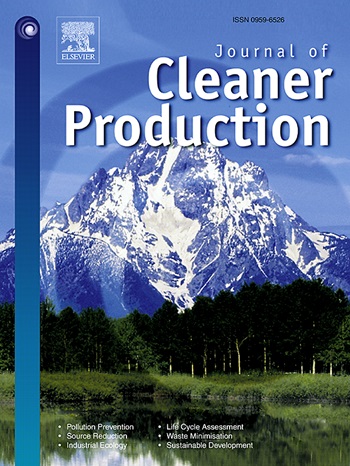
The Journal of Cleaner Production is an international, transdisciplinary journal that addresses and discusses theoretical and practical Cleaner Production, Environmental, and Sustainability issues. It aims to help societies become more sustainable by focusing on the concept of 'Cleaner Production', which aims at preventing waste production and increasing efficiencies in energy, water, resources, and human capital use. The journal serves as a platform for corporations, governments, education institutions, regions, and societies to engage in discussions and research related to Cleaner Production, environmental, and sustainability practices.




 京公网安备 11010802042870号
京ICP备2023020795号-1
京公网安备 11010802042870号
京ICP备2023020795号-1

 分享
分享
 求助内容:
求助内容: 应助结果提醒方式:
 扫码关注我们
