{"title":"再生塑料改性沥青粘结剂的相容性原理及化学增容剂研究进展","authors":"Abeeb Oyelere, Shenghua Wu","doi":"10.1016/j.jclepro.2025.144895","DOIUrl":null,"url":null,"abstract":"<div><div>Plastics have become a key material in industrial development in recent decades, primarily due to their low production costs and ease of manufacturing. Despite this, their low biodegradation and ability to absorb harmful toxins make their disposal challenging and unsustainable. Recycling plastic waste as a substitute for expensive polymers in asphalt binder modification offers a potential solution to mitigate environmental impact, reduce costs, and conserve the natural resources typically used in polymer-modified asphalt. Nevertheless, challenges remain, particularly with regard to the compatibility of plastics and asphalt binders. Poor compatibility can lead to issues such as phase separation, reduced rheological properties, and weakened mechanical strength, all of which undermine the performance and durability of the modified asphalt. This review explores the compatibility of polymer-modified asphalt binders, examining key polymer properties affecting compatibility and how compatibility affects morphology, storage stability, and rheological behavior. Also, it highlights key tests to assess compatibility as well as chemical strategies to improve the compatibility of recycled plastics modified asphalt binders.</div></div>","PeriodicalId":349,"journal":{"name":"Journal of Cleaner Production","volume":"492 ","pages":"Article 144895"},"PeriodicalIF":10.7000,"publicationDate":"2025-02-10","publicationTypes":"Journal Article","fieldsOfStudy":null,"isOpenAccess":false,"openAccessPdf":"","citationCount":"0","resultStr":"{\"title\":\"State of the art review on the principles of compatibility and chemical compatibilizers for recycled plastic-modified asphalt binders\",\"authors\":\"Abeeb Oyelere, Shenghua Wu\",\"doi\":\"10.1016/j.jclepro.2025.144895\",\"DOIUrl\":null,\"url\":null,\"abstract\":\"<div><div>Plastics have become a key material in industrial development in recent decades, primarily due to their low production costs and ease of manufacturing. Despite this, their low biodegradation and ability to absorb harmful toxins make their disposal challenging and unsustainable. Recycling plastic waste as a substitute for expensive polymers in asphalt binder modification offers a potential solution to mitigate environmental impact, reduce costs, and conserve the natural resources typically used in polymer-modified asphalt. Nevertheless, challenges remain, particularly with regard to the compatibility of plastics and asphalt binders. Poor compatibility can lead to issues such as phase separation, reduced rheological properties, and weakened mechanical strength, all of which undermine the performance and durability of the modified asphalt. This review explores the compatibility of polymer-modified asphalt binders, examining key polymer properties affecting compatibility and how compatibility affects morphology, storage stability, and rheological behavior. Also, it highlights key tests to assess compatibility as well as chemical strategies to improve the compatibility of recycled plastics modified asphalt binders.</div></div>\",\"PeriodicalId\":349,\"journal\":{\"name\":\"Journal of Cleaner Production\",\"volume\":\"492 \",\"pages\":\"Article 144895\"},\"PeriodicalIF\":10.7000,\"publicationDate\":\"2025-02-10\",\"publicationTypes\":\"Journal Article\",\"fieldsOfStudy\":null,\"isOpenAccess\":false,\"openAccessPdf\":\"\",\"citationCount\":\"0\",\"resultStr\":null,\"platform\":\"Semanticscholar\",\"paperid\":null,\"PeriodicalName\":\"Journal of Cleaner Production\",\"FirstCategoryId\":\"93\",\"ListUrlMain\":\"https://www.sciencedirect.com/science/article/pii/S0959652625002458\",\"RegionNum\":1,\"RegionCategory\":\"环境科学与生态学\",\"ArticlePicture\":[],\"TitleCN\":null,\"AbstractTextCN\":null,\"PMCID\":null,\"EPubDate\":\"2025/1/30 0:00:00\",\"PubModel\":\"Epub\",\"JCR\":\"Q1\",\"JCRName\":\"ENGINEERING, ENVIRONMENTAL\",\"Score\":null,\"Total\":0}","platform":"Semanticscholar","paperid":null,"PeriodicalName":"Journal of Cleaner Production","FirstCategoryId":"93","ListUrlMain":"https://www.sciencedirect.com/science/article/pii/S0959652625002458","RegionNum":1,"RegionCategory":"环境科学与生态学","ArticlePicture":[],"TitleCN":null,"AbstractTextCN":null,"PMCID":null,"EPubDate":"2025/1/30 0:00:00","PubModel":"Epub","JCR":"Q1","JCRName":"ENGINEERING, ENVIRONMENTAL","Score":null,"Total":0}
State of the art review on the principles of compatibility and chemical compatibilizers for recycled plastic-modified asphalt binders
Plastics have become a key material in industrial development in recent decades, primarily due to their low production costs and ease of manufacturing. Despite this, their low biodegradation and ability to absorb harmful toxins make their disposal challenging and unsustainable. Recycling plastic waste as a substitute for expensive polymers in asphalt binder modification offers a potential solution to mitigate environmental impact, reduce costs, and conserve the natural resources typically used in polymer-modified asphalt. Nevertheless, challenges remain, particularly with regard to the compatibility of plastics and asphalt binders. Poor compatibility can lead to issues such as phase separation, reduced rheological properties, and weakened mechanical strength, all of which undermine the performance and durability of the modified asphalt. This review explores the compatibility of polymer-modified asphalt binders, examining key polymer properties affecting compatibility and how compatibility affects morphology, storage stability, and rheological behavior. Also, it highlights key tests to assess compatibility as well as chemical strategies to improve the compatibility of recycled plastics modified asphalt binders.
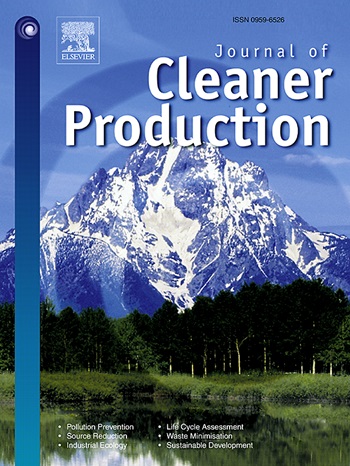
期刊介绍:
The Journal of Cleaner Production is an international, transdisciplinary journal that addresses and discusses theoretical and practical Cleaner Production, Environmental, and Sustainability issues. It aims to help societies become more sustainable by focusing on the concept of 'Cleaner Production', which aims at preventing waste production and increasing efficiencies in energy, water, resources, and human capital use. The journal serves as a platform for corporations, governments, education institutions, regions, and societies to engage in discussions and research related to Cleaner Production, environmental, and sustainability practices.




 京公网安备 11010802042870号
京ICP备2023020795号-1
京公网安备 11010802042870号
京ICP备2023020795号-1

 分享
分享
 求助内容:
求助内容: 应助结果提醒方式:
 扫码关注我们
