{"title":"二手服装与时尚行业的可持续性:通过SWOT/ANP方法分析循环战略的愿景","authors":"Ana Gabriela Encino-Munoz, Gülşah Yilan","doi":"10.1016/j.jclepro.2025.144909","DOIUrl":null,"url":null,"abstract":"<div><div>The fashion industry keeps attracting great attention considering its impacts on the environment along with human health, stemming from overconsumption. The challenges associated with the sector escalated due to the diffusion of the fast fashion concept raising further social concerns. One reflection on this problem is associated with the second-hand clothing (SHC) sector, expected to promote the reuse of clothing items by adopting circular strategies. However, a closer look at the international trade of SHC items revealed significant problems in practice. The main problem identified is related to the flow of low-quality items from Global North (GN) to Global South (GS) countries. Against this background, this study aims to understand the most important factors in embracing a circular and ethical fashion practice by implementing a combined method using the Strengths, Weaknesses, Opportunities, and Threats (SWOT) analysis with the Analytical Network Process (ANP) method to search for strategies that contribute to overcoming the circularity gaps. The analysis results demonstrated the divergence of perceptions and priorities among various stakeholders, reflecting the complexity of achieving a global consensus in a circular fashion model. Finally, some policy recommendations are proposed aiming to embrace global environmental justice principles in the SHC sector.</div></div>","PeriodicalId":349,"journal":{"name":"Journal of Cleaner Production","volume":"493 ","pages":"Article 144909"},"PeriodicalIF":10.0000,"publicationDate":"2025-02-15","publicationTypes":"Journal Article","fieldsOfStudy":null,"isOpenAccess":false,"openAccessPdf":"","citationCount":"0","resultStr":"{\"title\":\"Second-hand clothing and sustainability in the fashion sector: Analysing visions on circular strategies through SWOT/ANP method\",\"authors\":\"Ana Gabriela Encino-Munoz, Gülşah Yilan\",\"doi\":\"10.1016/j.jclepro.2025.144909\",\"DOIUrl\":null,\"url\":null,\"abstract\":\"<div><div>The fashion industry keeps attracting great attention considering its impacts on the environment along with human health, stemming from overconsumption. The challenges associated with the sector escalated due to the diffusion of the fast fashion concept raising further social concerns. One reflection on this problem is associated with the second-hand clothing (SHC) sector, expected to promote the reuse of clothing items by adopting circular strategies. However, a closer look at the international trade of SHC items revealed significant problems in practice. The main problem identified is related to the flow of low-quality items from Global North (GN) to Global South (GS) countries. Against this background, this study aims to understand the most important factors in embracing a circular and ethical fashion practice by implementing a combined method using the Strengths, Weaknesses, Opportunities, and Threats (SWOT) analysis with the Analytical Network Process (ANP) method to search for strategies that contribute to overcoming the circularity gaps. The analysis results demonstrated the divergence of perceptions and priorities among various stakeholders, reflecting the complexity of achieving a global consensus in a circular fashion model. Finally, some policy recommendations are proposed aiming to embrace global environmental justice principles in the SHC sector.</div></div>\",\"PeriodicalId\":349,\"journal\":{\"name\":\"Journal of Cleaner Production\",\"volume\":\"493 \",\"pages\":\"Article 144909\"},\"PeriodicalIF\":10.0000,\"publicationDate\":\"2025-02-15\",\"publicationTypes\":\"Journal Article\",\"fieldsOfStudy\":null,\"isOpenAccess\":false,\"openAccessPdf\":\"\",\"citationCount\":\"0\",\"resultStr\":null,\"platform\":\"Semanticscholar\",\"paperid\":null,\"PeriodicalName\":\"Journal of Cleaner Production\",\"FirstCategoryId\":\"93\",\"ListUrlMain\":\"https://www.sciencedirect.com/science/article/pii/S0959652625002598\",\"RegionNum\":1,\"RegionCategory\":\"环境科学与生态学\",\"ArticlePicture\":[],\"TitleCN\":null,\"AbstractTextCN\":null,\"PMCID\":null,\"EPubDate\":\"2025/1/30 0:00:00\",\"PubModel\":\"Epub\",\"JCR\":\"Q1\",\"JCRName\":\"ENGINEERING, ENVIRONMENTAL\",\"Score\":null,\"Total\":0}","platform":"Semanticscholar","paperid":null,"PeriodicalName":"Journal of Cleaner Production","FirstCategoryId":"93","ListUrlMain":"https://www.sciencedirect.com/science/article/pii/S0959652625002598","RegionNum":1,"RegionCategory":"环境科学与生态学","ArticlePicture":[],"TitleCN":null,"AbstractTextCN":null,"PMCID":null,"EPubDate":"2025/1/30 0:00:00","PubModel":"Epub","JCR":"Q1","JCRName":"ENGINEERING, ENVIRONMENTAL","Score":null,"Total":0}
Second-hand clothing and sustainability in the fashion sector: Analysing visions on circular strategies through SWOT/ANP method
The fashion industry keeps attracting great attention considering its impacts on the environment along with human health, stemming from overconsumption. The challenges associated with the sector escalated due to the diffusion of the fast fashion concept raising further social concerns. One reflection on this problem is associated with the second-hand clothing (SHC) sector, expected to promote the reuse of clothing items by adopting circular strategies. However, a closer look at the international trade of SHC items revealed significant problems in practice. The main problem identified is related to the flow of low-quality items from Global North (GN) to Global South (GS) countries. Against this background, this study aims to understand the most important factors in embracing a circular and ethical fashion practice by implementing a combined method using the Strengths, Weaknesses, Opportunities, and Threats (SWOT) analysis with the Analytical Network Process (ANP) method to search for strategies that contribute to overcoming the circularity gaps. The analysis results demonstrated the divergence of perceptions and priorities among various stakeholders, reflecting the complexity of achieving a global consensus in a circular fashion model. Finally, some policy recommendations are proposed aiming to embrace global environmental justice principles in the SHC sector.
期刊介绍:
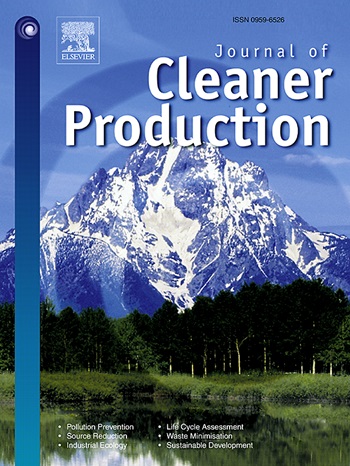
The Journal of Cleaner Production is an international, transdisciplinary journal that addresses and discusses theoretical and practical Cleaner Production, Environmental, and Sustainability issues. It aims to help societies become more sustainable by focusing on the concept of 'Cleaner Production', which aims at preventing waste production and increasing efficiencies in energy, water, resources, and human capital use. The journal serves as a platform for corporations, governments, education institutions, regions, and societies to engage in discussions and research related to Cleaner Production, environmental, and sustainability practices.




 京公网安备 11010802042870号
京ICP备2023020795号-1
京公网安备 11010802042870号
京ICP备2023020795号-1

 分享
分享
 求助内容:
求助内容: 应助结果提醒方式:
 扫码关注我们
