{"title":"一杯半满的钱:性格乐观和财富积累跨越收入范围。","authors":"Joe J Gladstone,Justin Pomerance","doi":"10.1037/pspp0000530","DOIUrl":null,"url":null,"abstract":"What drives some people to save more effectively for their future than others? This multistudy investigation (N = 143,461) explores how dispositional optimism-the generalized tendency to hold positive expectations about the future-shapes individuals' financial decisions and outcomes. Leveraging both cross-sectional and longitudinal designs across several countries, our findings reveal that optimism significantly predicts greater savings over time, even when controlling for various demographic, psychological, and financial covariates. Furthermore, we find that the role of optimism varies based on socioeconomic circumstances: Among lower income individuals, optimism is more strongly associated with saving. This suggests optimism may be particularly beneficial for the financial well-being of economically disadvantaged populations. To ensure the robustness of our conclusions, we employ diverse methodological approaches, including cross-sectional and longitudinal data sets, objective measures of saving behavior to reduce self-report bias, and within-person analyses to control for stable individual differences. These findings suggest that interventions and policies aimed at fostering optimism may be an effective approach to promoting savings and building financial resilience, especially among economically vulnerable populations. More broadly, our work underscores the value of integrating psychological factors into economic models of saving behavior to develop a more comprehensive understanding of how people make financial decisions in the real world. (PsycInfo Database Record (c) 2025 APA, all rights reserved).","PeriodicalId":16691,"journal":{"name":"Journal of personality and social psychology","volume":"29 1","pages":"147-195"},"PeriodicalIF":6.7000,"publicationDate":"2025-01-01","publicationTypes":"Journal Article","fieldsOfStudy":null,"isOpenAccess":false,"openAccessPdf":"","citationCount":"0","resultStr":"{\"title\":\"A glass half full of money: Dispositional optimism and wealth accumulation across the income spectrum.\",\"authors\":\"Joe J Gladstone,Justin Pomerance\",\"doi\":\"10.1037/pspp0000530\",\"DOIUrl\":null,\"url\":null,\"abstract\":\"What drives some people to save more effectively for their future than others? This multistudy investigation (N = 143,461) explores how dispositional optimism-the generalized tendency to hold positive expectations about the future-shapes individuals' financial decisions and outcomes. Leveraging both cross-sectional and longitudinal designs across several countries, our findings reveal that optimism significantly predicts greater savings over time, even when controlling for various demographic, psychological, and financial covariates. Furthermore, we find that the role of optimism varies based on socioeconomic circumstances: Among lower income individuals, optimism is more strongly associated with saving. This suggests optimism may be particularly beneficial for the financial well-being of economically disadvantaged populations. To ensure the robustness of our conclusions, we employ diverse methodological approaches, including cross-sectional and longitudinal data sets, objective measures of saving behavior to reduce self-report bias, and within-person analyses to control for stable individual differences. These findings suggest that interventions and policies aimed at fostering optimism may be an effective approach to promoting savings and building financial resilience, especially among economically vulnerable populations. More broadly, our work underscores the value of integrating psychological factors into economic models of saving behavior to develop a more comprehensive understanding of how people make financial decisions in the real world. (PsycInfo Database Record (c) 2025 APA, all rights reserved).\",\"PeriodicalId\":16691,\"journal\":{\"name\":\"Journal of personality and social psychology\",\"volume\":\"29 1\",\"pages\":\"147-195\"},\"PeriodicalIF\":6.7000,\"publicationDate\":\"2025-01-01\",\"publicationTypes\":\"Journal Article\",\"fieldsOfStudy\":null,\"isOpenAccess\":false,\"openAccessPdf\":\"\",\"citationCount\":\"0\",\"resultStr\":null,\"platform\":\"Semanticscholar\",\"paperid\":null,\"PeriodicalName\":\"Journal of personality and social psychology\",\"FirstCategoryId\":\"102\",\"ListUrlMain\":\"https://doi.org/10.1037/pspp0000530\",\"RegionNum\":1,\"RegionCategory\":\"心理学\",\"ArticlePicture\":[],\"TitleCN\":null,\"AbstractTextCN\":null,\"PMCID\":null,\"EPubDate\":\"\",\"PubModel\":\"\",\"JCR\":\"Q1\",\"JCRName\":\"PSYCHOLOGY, SOCIAL\",\"Score\":null,\"Total\":0}","platform":"Semanticscholar","paperid":null,"PeriodicalName":"Journal of personality and social psychology","FirstCategoryId":"102","ListUrlMain":"https://doi.org/10.1037/pspp0000530","RegionNum":1,"RegionCategory":"心理学","ArticlePicture":[],"TitleCN":null,"AbstractTextCN":null,"PMCID":null,"EPubDate":"","PubModel":"","JCR":"Q1","JCRName":"PSYCHOLOGY, SOCIAL","Score":null,"Total":0}
引用次数: 0
摘要
是什么促使一些人比其他人更有效地为未来储蓄?这项多研究调查(N = 143,461)探讨了性格乐观——对未来抱有积极期望的普遍倾向——如何影响个人的财务决策和结果。利用几个国家的横断面和纵向设计,我们的研究结果表明,即使在控制各种人口统计、心理和财务协变量的情况下,乐观主义也能显著地预测随着时间的推移,储蓄会更多。此外,我们发现乐观主义的作用因社会经济环境而异:在低收入人群中,乐观主义与储蓄的关系更强。这表明,乐观情绪可能对经济弱势群体的财务状况特别有益。为了确保结论的稳健性,我们采用了多种方法,包括横断面和纵向数据集,客观测量储蓄行为以减少自我报告偏差,以及内部分析以控制稳定的个体差异。这些发现表明,旨在培养乐观情绪的干预措施和政策可能是促进储蓄和建立金融韧性的有效方法,特别是在经济弱势群体中。更广泛地说,我们的工作强调了将心理因素纳入储蓄行为的经济模型的价值,以更全面地了解人们在现实世界中如何做出财务决策。(PsycInfo Database Record (c) 2025 APA,版权所有)。
A glass half full of money: Dispositional optimism and wealth accumulation across the income spectrum.
What drives some people to save more effectively for their future than others? This multistudy investigation (N = 143,461) explores how dispositional optimism-the generalized tendency to hold positive expectations about the future-shapes individuals' financial decisions and outcomes. Leveraging both cross-sectional and longitudinal designs across several countries, our findings reveal that optimism significantly predicts greater savings over time, even when controlling for various demographic, psychological, and financial covariates. Furthermore, we find that the role of optimism varies based on socioeconomic circumstances: Among lower income individuals, optimism is more strongly associated with saving. This suggests optimism may be particularly beneficial for the financial well-being of economically disadvantaged populations. To ensure the robustness of our conclusions, we employ diverse methodological approaches, including cross-sectional and longitudinal data sets, objective measures of saving behavior to reduce self-report bias, and within-person analyses to control for stable individual differences. These findings suggest that interventions and policies aimed at fostering optimism may be an effective approach to promoting savings and building financial resilience, especially among economically vulnerable populations. More broadly, our work underscores the value of integrating psychological factors into economic models of saving behavior to develop a more comprehensive understanding of how people make financial decisions in the real world. (PsycInfo Database Record (c) 2025 APA, all rights reserved).
期刊介绍:
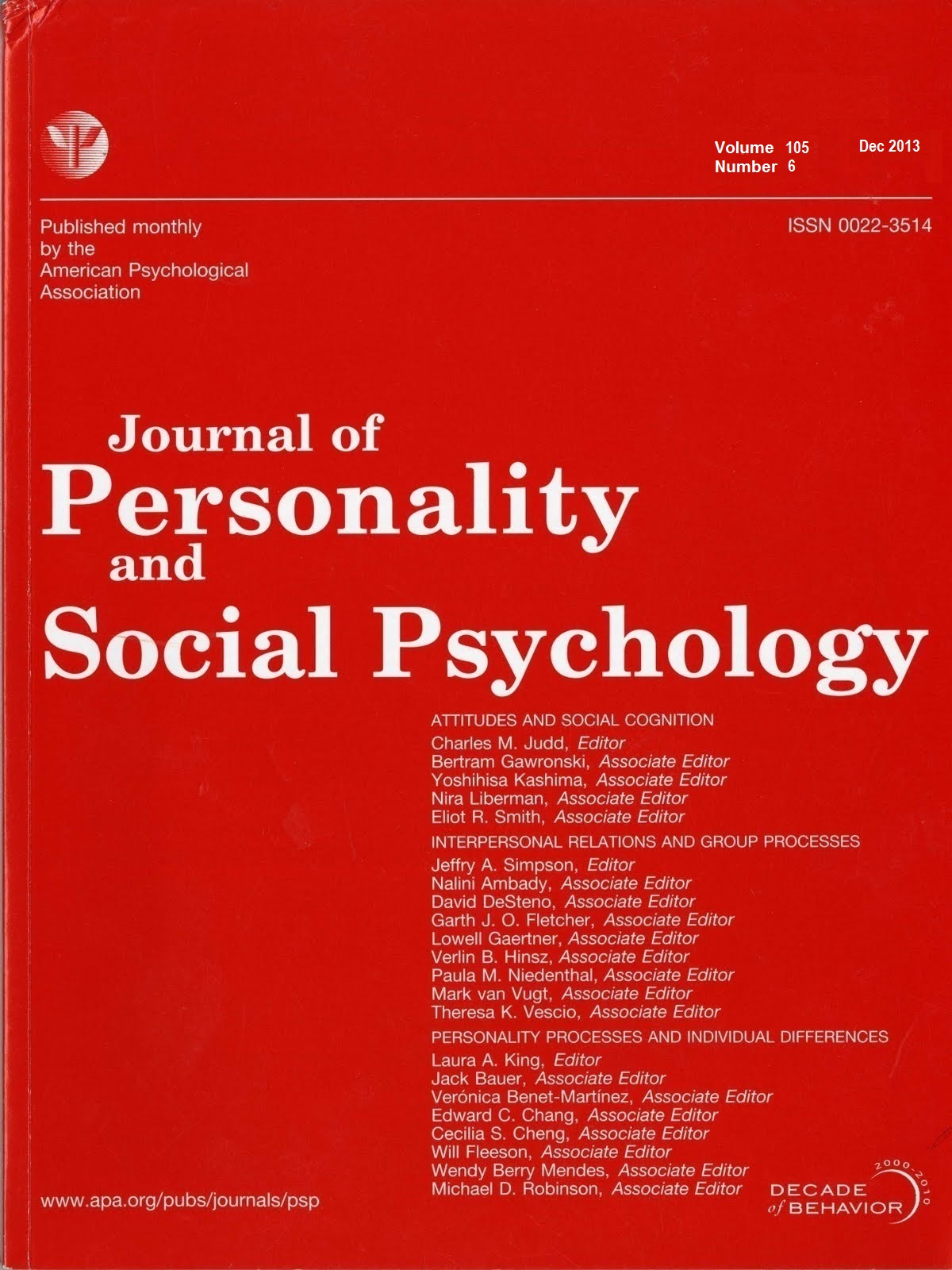
Journal of personality and social psychology publishes original papers in all areas of personality and social psychology and emphasizes empirical reports, but may include specialized theoretical, methodological, and review papers.Journal of personality and social psychology is divided into three independently edited sections. Attitudes and Social Cognition addresses all aspects of psychology (e.g., attitudes, cognition, emotion, motivation) that take place in significant micro- and macrolevel social contexts.




 京公网安备 11010802042870号
京ICP备2023020795号-1
京公网安备 11010802042870号
京ICP备2023020795号-1

 分享
分享
 求助内容:
求助内容: 应助结果提醒方式:
 扫码关注我们
