{"title":"油漆:微塑料难题中一个无处不在却被忽视的部分。","authors":"Zoie T Diana, Yuying Chen, Chelsea M Rochman","doi":"10.1093/etojnl/vgae034","DOIUrl":null,"url":null,"abstract":"<p><p>Microplastics are widespread pollutants. Microplastics generated from the wear and tear of paints and coatings have recently been modeled to be a large source of microplastics to the environment. Yet, studies focused on microplastics broadly frequently overlook paint microplastics. In this article, we systematically reviewed the primary literature (turning up 53 relevant articles) on paint microplastic sources, identification methods, environmental concentrations, and toxicity to model organisms. Examples of sources of paint microplastics include paints from buildings and murals, crafts and hobbies, cars and roads, marine boats and structures, and industrial systems like pipes, sewers, and other infrastructure. Paint microplastics have been quantified in several marine samples from Europe and, to a lesser extent, East Asia. Reported concentrations of paint microplastics are up to 290,000 particles per kilogram of sediments, with the greatest concentration reported near a graffiti wall. Out of the toxicity studies testing paint microplastics, there have been 68 tested effects in total across all endpoints and organisms and 17 quantified lethal concentration 50% doses (ranging from 0.001 to 20 g/L). Of the tested effects, 45 observed endpoint values in the paint treatment were significantly different from the control (66%)-most of which were tests using antifouling paints. Overall, the number of studies on paint microplastics is small, limiting a holistic understanding of microplastics. Based on our synthesis of the state of the science on paint microplastics, we suggest a research agenda moving forward informed by research gaps.</p>","PeriodicalId":11793,"journal":{"name":"Environmental Toxicology and Chemistry","volume":"44 1","pages":"26-44"},"PeriodicalIF":3.6000,"publicationDate":"2025-01-01","publicationTypes":"Journal Article","fieldsOfStudy":null,"isOpenAccess":false,"openAccessPdf":"https://www.ncbi.nlm.nih.gov/pmc/articles/PMC11790211/pdf/","citationCount":"0","resultStr":"{\"title\":\"Paint: a ubiquitous yet disregarded piece of the microplastics puzzle.\",\"authors\":\"Zoie T Diana, Yuying Chen, Chelsea M Rochman\",\"doi\":\"10.1093/etojnl/vgae034\",\"DOIUrl\":null,\"url\":null,\"abstract\":\"<p><p>Microplastics are widespread pollutants. Microplastics generated from the wear and tear of paints and coatings have recently been modeled to be a large source of microplastics to the environment. Yet, studies focused on microplastics broadly frequently overlook paint microplastics. In this article, we systematically reviewed the primary literature (turning up 53 relevant articles) on paint microplastic sources, identification methods, environmental concentrations, and toxicity to model organisms. Examples of sources of paint microplastics include paints from buildings and murals, crafts and hobbies, cars and roads, marine boats and structures, and industrial systems like pipes, sewers, and other infrastructure. Paint microplastics have been quantified in several marine samples from Europe and, to a lesser extent, East Asia. Reported concentrations of paint microplastics are up to 290,000 particles per kilogram of sediments, with the greatest concentration reported near a graffiti wall. Out of the toxicity studies testing paint microplastics, there have been 68 tested effects in total across all endpoints and organisms and 17 quantified lethal concentration 50% doses (ranging from 0.001 to 20 g/L). Of the tested effects, 45 observed endpoint values in the paint treatment were significantly different from the control (66%)-most of which were tests using antifouling paints. Overall, the number of studies on paint microplastics is small, limiting a holistic understanding of microplastics. Based on our synthesis of the state of the science on paint microplastics, we suggest a research agenda moving forward informed by research gaps.</p>\",\"PeriodicalId\":11793,\"journal\":{\"name\":\"Environmental Toxicology and Chemistry\",\"volume\":\"44 1\",\"pages\":\"26-44\"},\"PeriodicalIF\":3.6000,\"publicationDate\":\"2025-01-01\",\"publicationTypes\":\"Journal Article\",\"fieldsOfStudy\":null,\"isOpenAccess\":false,\"openAccessPdf\":\"https://www.ncbi.nlm.nih.gov/pmc/articles/PMC11790211/pdf/\",\"citationCount\":\"0\",\"resultStr\":null,\"platform\":\"Semanticscholar\",\"paperid\":null,\"PeriodicalName\":\"Environmental Toxicology and Chemistry\",\"FirstCategoryId\":\"93\",\"ListUrlMain\":\"https://doi.org/10.1093/etojnl/vgae034\",\"RegionNum\":4,\"RegionCategory\":\"环境科学与生态学\",\"ArticlePicture\":[],\"TitleCN\":null,\"AbstractTextCN\":null,\"PMCID\":null,\"EPubDate\":\"\",\"PubModel\":\"\",\"JCR\":\"Q2\",\"JCRName\":\"ENVIRONMENTAL SCIENCES\",\"Score\":null,\"Total\":0}","platform":"Semanticscholar","paperid":null,"PeriodicalName":"Environmental Toxicology and Chemistry","FirstCategoryId":"93","ListUrlMain":"https://doi.org/10.1093/etojnl/vgae034","RegionNum":4,"RegionCategory":"环境科学与生态学","ArticlePicture":[],"TitleCN":null,"AbstractTextCN":null,"PMCID":null,"EPubDate":"","PubModel":"","JCR":"Q2","JCRName":"ENVIRONMENTAL SCIENCES","Score":null,"Total":0}
Paint: a ubiquitous yet disregarded piece of the microplastics puzzle.
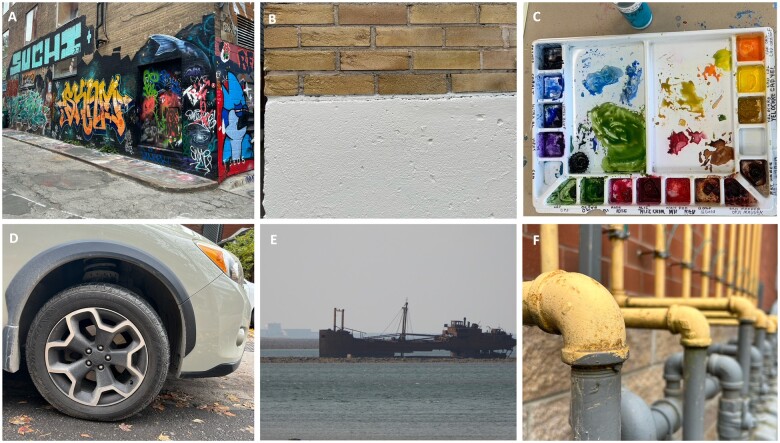
Microplastics are widespread pollutants. Microplastics generated from the wear and tear of paints and coatings have recently been modeled to be a large source of microplastics to the environment. Yet, studies focused on microplastics broadly frequently overlook paint microplastics. In this article, we systematically reviewed the primary literature (turning up 53 relevant articles) on paint microplastic sources, identification methods, environmental concentrations, and toxicity to model organisms. Examples of sources of paint microplastics include paints from buildings and murals, crafts and hobbies, cars and roads, marine boats and structures, and industrial systems like pipes, sewers, and other infrastructure. Paint microplastics have been quantified in several marine samples from Europe and, to a lesser extent, East Asia. Reported concentrations of paint microplastics are up to 290,000 particles per kilogram of sediments, with the greatest concentration reported near a graffiti wall. Out of the toxicity studies testing paint microplastics, there have been 68 tested effects in total across all endpoints and organisms and 17 quantified lethal concentration 50% doses (ranging from 0.001 to 20 g/L). Of the tested effects, 45 observed endpoint values in the paint treatment were significantly different from the control (66%)-most of which were tests using antifouling paints. Overall, the number of studies on paint microplastics is small, limiting a holistic understanding of microplastics. Based on our synthesis of the state of the science on paint microplastics, we suggest a research agenda moving forward informed by research gaps.
期刊介绍:
The Society of Environmental Toxicology and Chemistry (SETAC) publishes two journals: Environmental Toxicology and Chemistry (ET&C) and Integrated Environmental Assessment and Management (IEAM). Environmental Toxicology and Chemistry is dedicated to furthering scientific knowledge and disseminating information on environmental toxicology and chemistry, including the application of these sciences to risk assessment.[...]
Environmental Toxicology and Chemistry is interdisciplinary in scope and integrates the fields of environmental toxicology; environmental, analytical, and molecular chemistry; ecology; physiology; biochemistry; microbiology; genetics; genomics; environmental engineering; chemical, environmental, and biological modeling; epidemiology; and earth sciences. ET&C seeks to publish papers describing original experimental or theoretical work that significantly advances understanding in the area of environmental toxicology, environmental chemistry and hazard/risk assessment. Emphasis is given to papers that enhance capabilities for the prediction, measurement, and assessment of the fate and effects of chemicals in the environment, rather than simply providing additional data. The scientific impact of papers is judged in terms of the breadth and depth of the findings and the expected influence on existing or future scientific practice. Methodological papers must make clear not only how the work differs from existing practice, but the significance of these differences to the field. Site-based research or monitoring must have regional or global implications beyond the particular site, such as evaluating processes, mechanisms, or theory under a natural environmental setting.






 京公网安备 11010802042870号
京ICP备2023020795号-1
京公网安备 11010802042870号
京ICP备2023020795号-1

 分享
分享
 求助内容:
求助内容: 应助结果提醒方式:
 扫码关注我们
