Sylvia A. Okon , Tourna N. Khan , Nora J. Duffy , Carson C. Roan , Rachel A. Hoopsick
{"title":"同情满意度、倦怠和继发性创伤应激对医护人员当前药物使用的影响:不同职业水平的差异","authors":"Sylvia A. Okon , Tourna N. Khan , Nora J. Duffy , Carson C. Roan , Rachel A. Hoopsick","doi":"10.1016/j.abrep.2025.100584","DOIUrl":null,"url":null,"abstract":"<div><div>Work-related stress has been well-examined among physicians, but little is known about how it might affect drug use or healthcare workers in lower-wage occupations characterized by high job demands and low occupational autonomy (e.g., medical assistants, nursing assistants). We collected data from a diverse sample of healthcare workers (<em>N</em> = 200) and separately examined the cross-sectional relationships between several work-related experiences (i.e., compassion satisfaction, burnout, and secondary traumatic stress) and measures of current drug use (i.e., non-medical use of prescription drugs [NMUPD], cannabis use, and illicit drug use). We then examined for differences in these relationships by occupational level (i.e., prescriber/administrator vs. other healthcare worker). In main effects models, greater burnout and secondary traumatic stress were both associated with higher odds of NMUPD, cannabis use, and illicit drug use (<em>ps</em> < 0.01). Greater compassion satisfaction was associated with lower odds of illicit drug use (<em>p</em> < 0.05), but not with NMUPD or cannabis use (<em>ps</em> > 0.05). There was a significant interaction between secondary traumatic stress and occupational level on NMUPD (<em>p</em> < 0.05) such that there was no relationship among prescribers/administrators, but the likelihood of NMUPD increased with greater secondary traumatic stress among other healthcare workers. Similar trend-level interactions were observed between secondary traumatic stress and occupational level on cannabis use (<em>p</em> < 0.10) and between burnout and occupational level on NMUPD. Burnout and secondary traumatic stress may contribute to drug use, and lower-wage healthcare workers may be especially vulnerable.</div></div>","PeriodicalId":38040,"journal":{"name":"Addictive Behaviors Reports","volume":"21 ","pages":"Article 100584"},"PeriodicalIF":3.3000,"publicationDate":"2025-06-01","publicationTypes":"Journal Article","fieldsOfStudy":null,"isOpenAccess":false,"openAccessPdf":"https://www.ncbi.nlm.nih.gov/pmc/articles/PMC11774798/pdf/","citationCount":"0","resultStr":"{\"title\":\"Effects of compassion satisfaction, burnout, and secondary traumatic stress on current drug use among healthcare workers: Differences by occupational level\",\"authors\":\"Sylvia A. Okon , Tourna N. Khan , Nora J. Duffy , Carson C. Roan , Rachel A. Hoopsick\",\"doi\":\"10.1016/j.abrep.2025.100584\",\"DOIUrl\":null,\"url\":null,\"abstract\":\"<div><div>Work-related stress has been well-examined among physicians, but little is known about how it might affect drug use or healthcare workers in lower-wage occupations characterized by high job demands and low occupational autonomy (e.g., medical assistants, nursing assistants). We collected data from a diverse sample of healthcare workers (<em>N</em> = 200) and separately examined the cross-sectional relationships between several work-related experiences (i.e., compassion satisfaction, burnout, and secondary traumatic stress) and measures of current drug use (i.e., non-medical use of prescription drugs [NMUPD], cannabis use, and illicit drug use). We then examined for differences in these relationships by occupational level (i.e., prescriber/administrator vs. other healthcare worker). In main effects models, greater burnout and secondary traumatic stress were both associated with higher odds of NMUPD, cannabis use, and illicit drug use (<em>ps</em> < 0.01). Greater compassion satisfaction was associated with lower odds of illicit drug use (<em>p</em> < 0.05), but not with NMUPD or cannabis use (<em>ps</em> > 0.05). There was a significant interaction between secondary traumatic stress and occupational level on NMUPD (<em>p</em> < 0.05) such that there was no relationship among prescribers/administrators, but the likelihood of NMUPD increased with greater secondary traumatic stress among other healthcare workers. Similar trend-level interactions were observed between secondary traumatic stress and occupational level on cannabis use (<em>p</em> < 0.10) and between burnout and occupational level on NMUPD. Burnout and secondary traumatic stress may contribute to drug use, and lower-wage healthcare workers may be especially vulnerable.</div></div>\",\"PeriodicalId\":38040,\"journal\":{\"name\":\"Addictive Behaviors Reports\",\"volume\":\"21 \",\"pages\":\"Article 100584\"},\"PeriodicalIF\":3.3000,\"publicationDate\":\"2025-06-01\",\"publicationTypes\":\"Journal Article\",\"fieldsOfStudy\":null,\"isOpenAccess\":false,\"openAccessPdf\":\"https://www.ncbi.nlm.nih.gov/pmc/articles/PMC11774798/pdf/\",\"citationCount\":\"0\",\"resultStr\":null,\"platform\":\"Semanticscholar\",\"paperid\":null,\"PeriodicalName\":\"Addictive Behaviors Reports\",\"FirstCategoryId\":\"1085\",\"ListUrlMain\":\"https://www.sciencedirect.com/science/article/pii/S2352853225000021\",\"RegionNum\":0,\"RegionCategory\":null,\"ArticlePicture\":[],\"TitleCN\":null,\"AbstractTextCN\":null,\"PMCID\":null,\"EPubDate\":\"2025/1/7 0:00:00\",\"PubModel\":\"Epub\",\"JCR\":\"Q1\",\"JCRName\":\"Psychology\",\"Score\":null,\"Total\":0}","platform":"Semanticscholar","paperid":null,"PeriodicalName":"Addictive Behaviors Reports","FirstCategoryId":"1085","ListUrlMain":"https://www.sciencedirect.com/science/article/pii/S2352853225000021","RegionNum":0,"RegionCategory":null,"ArticlePicture":[],"TitleCN":null,"AbstractTextCN":null,"PMCID":null,"EPubDate":"2025/1/7 0:00:00","PubModel":"Epub","JCR":"Q1","JCRName":"Psychology","Score":null,"Total":0}
引用次数: 0
摘要
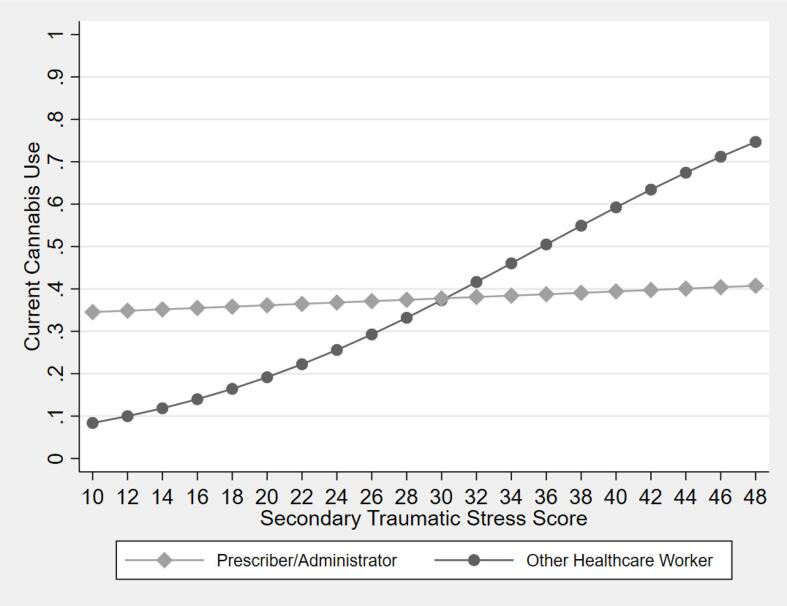
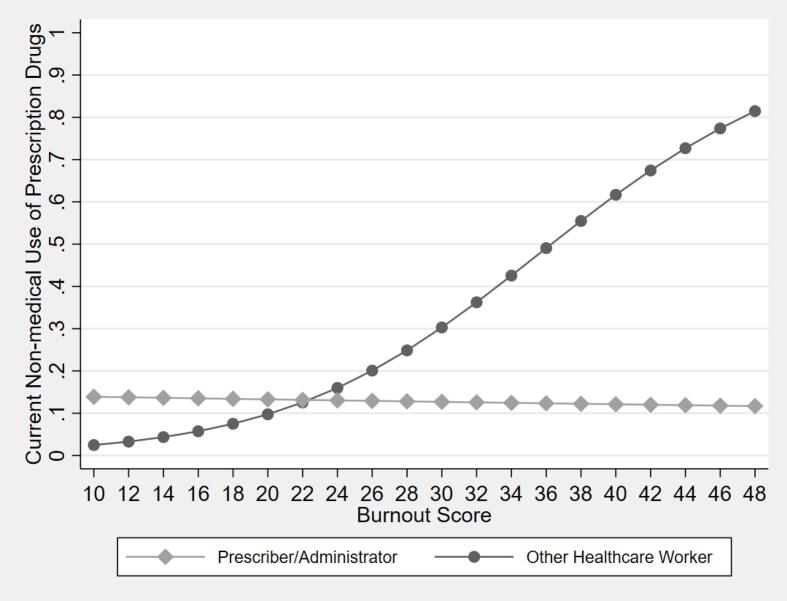
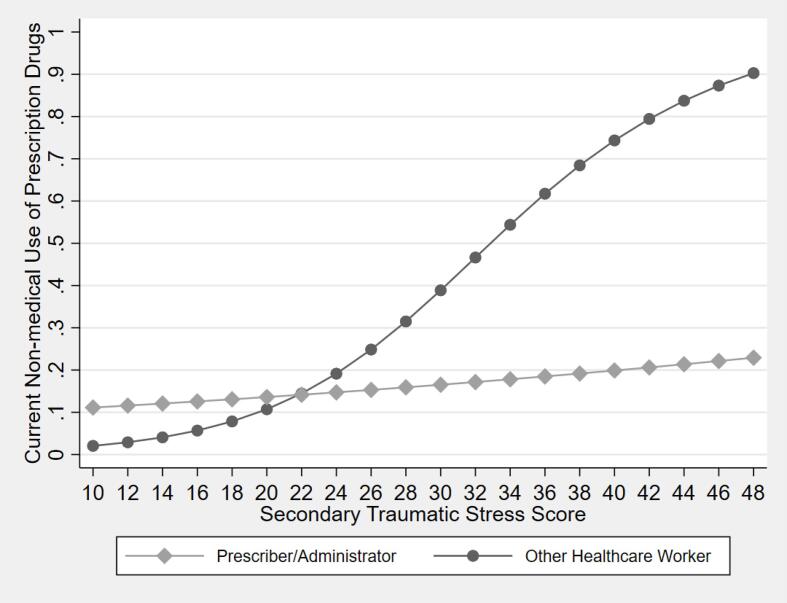
与工作有关的压力已经在医生中得到了充分的研究,但关于它如何影响药物使用或从事低工资职业的保健工作者(例如,医疗助理、护理助理),这些职业的特点是工作要求高,职业自主权低。我们收集了来自不同医疗工作者样本的数据(N = 200),并分别检查了几种与工作相关的经历(即同情满意度、倦怠和继发性创伤压力)和当前药物使用测量(即处方药的非医疗使用[NMUPD]、大麻使用和非法药物使用)之间的横断面关系。然后,我们根据职业水平(即,处方者/管理员与其他医护人员)检查这些关系的差异。在主效应模型中,更大的倦怠和继发性创伤应激均与NMUPD、大麻使用和非法药物使用的高几率相关(ps p ps > 0.05)。继发性创伤应激与职业水平之间存在显著的交互作用(p < 0.05)
Effects of compassion satisfaction, burnout, and secondary traumatic stress on current drug use among healthcare workers: Differences by occupational level
Work-related stress has been well-examined among physicians, but little is known about how it might affect drug use or healthcare workers in lower-wage occupations characterized by high job demands and low occupational autonomy (e.g., medical assistants, nursing assistants). We collected data from a diverse sample of healthcare workers (N = 200) and separately examined the cross-sectional relationships between several work-related experiences (i.e., compassion satisfaction, burnout, and secondary traumatic stress) and measures of current drug use (i.e., non-medical use of prescription drugs [NMUPD], cannabis use, and illicit drug use). We then examined for differences in these relationships by occupational level (i.e., prescriber/administrator vs. other healthcare worker). In main effects models, greater burnout and secondary traumatic stress were both associated with higher odds of NMUPD, cannabis use, and illicit drug use (ps < 0.01). Greater compassion satisfaction was associated with lower odds of illicit drug use (p < 0.05), but not with NMUPD or cannabis use (ps > 0.05). There was a significant interaction between secondary traumatic stress and occupational level on NMUPD (p < 0.05) such that there was no relationship among prescribers/administrators, but the likelihood of NMUPD increased with greater secondary traumatic stress among other healthcare workers. Similar trend-level interactions were observed between secondary traumatic stress and occupational level on cannabis use (p < 0.10) and between burnout and occupational level on NMUPD. Burnout and secondary traumatic stress may contribute to drug use, and lower-wage healthcare workers may be especially vulnerable.
期刊介绍:
Addictive Behaviors Reports is an open-access and peer reviewed online-only journal offering an interdisciplinary forum for the publication of research in addictive behaviors. The journal accepts submissions that are scientifically sound on all forms of addictive behavior (alcohol, drugs, gambling, Internet, nicotine and technology) with a primary focus on behavioral and psychosocial research. The emphasis of the journal is primarily empirical. That is, sound experimental design combined with valid, reliable assessment and evaluation procedures are a requisite for acceptance. We are particularly interested in ''non-traditional'', innovative and empirically oriented research such as negative/null data papers, replication studies, case reports on novel treatments, and cross-cultural research. Studies that might encourage new lines of inquiry as well as scholarly commentaries on topical issues, systematic reviews, and mini reviews are also very much encouraged. We also welcome multimedia submissions that incorporate video or audio components to better display methodology or findings.





 京公网安备 11010802042870号
京ICP备2023020795号-1
京公网安备 11010802042870号
京ICP备2023020795号-1

 分享
分享
 求助内容:
求助内容: 应助结果提醒方式:
 扫码关注我们
