Yujie Guo , Chengcong Wang , Shengyang Hong , Wenhai Hong , Ruoxuan Geng , Zhibin Ren , Xingyuan He
{"title":"快速城市化过程中城市森林对PM2.5去除的动态演化:从森林景观格局优势到不透水地表","authors":"Yujie Guo , Chengcong Wang , Shengyang Hong , Wenhai Hong , Ruoxuan Geng , Zhibin Ren , Xingyuan He","doi":"10.1016/j.jclepro.2025.144930","DOIUrl":null,"url":null,"abstract":"<div><div>Long-term exposure to PM<sub>2.5</sub> (fine particulate matter with an aerodynamic diameter <2.5 μm) causes serious harm to human health. Urban forests have the potential to effectively mitigate PM<sub>2.5</sub> in the air. However, with the progress of urbanization, the layout, structure, and functions of urban forests have evolved, and the impact of these transformations on their PM<sub>2.5</sub> removal capacity remains to be fully explored. Our study used a dry deposition model to simulate the dynamics of PM<sub>2.5</sub> removal by forests in Changchun City during rapid urbanization and identified the drivers. We found that the urban forest cover increased from 18.09% in 2000 to 24.59% in 2020. Although 12% of the urban forest was converted into impervious surfaces, the overall coverage still showed an increase, mainly due to the conversion of other land types, including cropland and wetland. Rapid urbanization also had a significant impact on the configuration of urban forests, as urban forest patches have become more fragmented, with simpler shapes. The PM<sub>2.5</sub> removal of urban forests has gradually declined, affecting 45.50% of the urban area. The total PM<sub>2.5</sub> removal amount decreased from 793 t yr<sup>−1</sup> to 528 t yr<sup>−1</sup>. Urban forest landscape patterns primarily influenced the PM<sub>2.5</sub> removal capacity, accounting for 72%. As impervious surfaces increased, the capacity was reduced, and the influence of landscape patterns weakened. This study confirmed the significant impact of urbanization on the PM<sub>2.5</sub> removal capacity of urban forests, which gradually surpassed the regulatory effect of landscape patterns. These findings provide valuable theoretical support for urban environment and planning, and guide the development of effective air quality improvement policies.</div></div>","PeriodicalId":349,"journal":{"name":"Journal of Cleaner Production","volume":"493 ","pages":"Article 144930"},"PeriodicalIF":10.0000,"publicationDate":"2025-02-15","publicationTypes":"Journal Article","fieldsOfStudy":null,"isOpenAccess":false,"openAccessPdf":"","citationCount":"0","resultStr":"{\"title\":\"Dynamic evolution of PM2.5 removal by urban forests during rapid urbanization: From forest landscape pattern dominance to impervious surfaces\",\"authors\":\"Yujie Guo , Chengcong Wang , Shengyang Hong , Wenhai Hong , Ruoxuan Geng , Zhibin Ren , Xingyuan He\",\"doi\":\"10.1016/j.jclepro.2025.144930\",\"DOIUrl\":null,\"url\":null,\"abstract\":\"<div><div>Long-term exposure to PM<sub>2.5</sub> (fine particulate matter with an aerodynamic diameter <2.5 μm) causes serious harm to human health. Urban forests have the potential to effectively mitigate PM<sub>2.5</sub> in the air. However, with the progress of urbanization, the layout, structure, and functions of urban forests have evolved, and the impact of these transformations on their PM<sub>2.5</sub> removal capacity remains to be fully explored. Our study used a dry deposition model to simulate the dynamics of PM<sub>2.5</sub> removal by forests in Changchun City during rapid urbanization and identified the drivers. We found that the urban forest cover increased from 18.09% in 2000 to 24.59% in 2020. Although 12% of the urban forest was converted into impervious surfaces, the overall coverage still showed an increase, mainly due to the conversion of other land types, including cropland and wetland. Rapid urbanization also had a significant impact on the configuration of urban forests, as urban forest patches have become more fragmented, with simpler shapes. The PM<sub>2.5</sub> removal of urban forests has gradually declined, affecting 45.50% of the urban area. The total PM<sub>2.5</sub> removal amount decreased from 793 t yr<sup>−1</sup> to 528 t yr<sup>−1</sup>. Urban forest landscape patterns primarily influenced the PM<sub>2.5</sub> removal capacity, accounting for 72%. As impervious surfaces increased, the capacity was reduced, and the influence of landscape patterns weakened. This study confirmed the significant impact of urbanization on the PM<sub>2.5</sub> removal capacity of urban forests, which gradually surpassed the regulatory effect of landscape patterns. These findings provide valuable theoretical support for urban environment and planning, and guide the development of effective air quality improvement policies.</div></div>\",\"PeriodicalId\":349,\"journal\":{\"name\":\"Journal of Cleaner Production\",\"volume\":\"493 \",\"pages\":\"Article 144930\"},\"PeriodicalIF\":10.0000,\"publicationDate\":\"2025-02-15\",\"publicationTypes\":\"Journal Article\",\"fieldsOfStudy\":null,\"isOpenAccess\":false,\"openAccessPdf\":\"\",\"citationCount\":\"0\",\"resultStr\":null,\"platform\":\"Semanticscholar\",\"paperid\":null,\"PeriodicalName\":\"Journal of Cleaner Production\",\"FirstCategoryId\":\"93\",\"ListUrlMain\":\"https://www.sciencedirect.com/science/article/pii/S095965262500280X\",\"RegionNum\":1,\"RegionCategory\":\"环境科学与生态学\",\"ArticlePicture\":[],\"TitleCN\":null,\"AbstractTextCN\":null,\"PMCID\":null,\"EPubDate\":\"2025/2/2 0:00:00\",\"PubModel\":\"Epub\",\"JCR\":\"Q1\",\"JCRName\":\"ENGINEERING, ENVIRONMENTAL\",\"Score\":null,\"Total\":0}","platform":"Semanticscholar","paperid":null,"PeriodicalName":"Journal of Cleaner Production","FirstCategoryId":"93","ListUrlMain":"https://www.sciencedirect.com/science/article/pii/S095965262500280X","RegionNum":1,"RegionCategory":"环境科学与生态学","ArticlePicture":[],"TitleCN":null,"AbstractTextCN":null,"PMCID":null,"EPubDate":"2025/2/2 0:00:00","PubModel":"Epub","JCR":"Q1","JCRName":"ENGINEERING, ENVIRONMENTAL","Score":null,"Total":0}
Dynamic evolution of PM2.5 removal by urban forests during rapid urbanization: From forest landscape pattern dominance to impervious surfaces
Long-term exposure to PM2.5 (fine particulate matter with an aerodynamic diameter <2.5 μm) causes serious harm to human health. Urban forests have the potential to effectively mitigate PM2.5 in the air. However, with the progress of urbanization, the layout, structure, and functions of urban forests have evolved, and the impact of these transformations on their PM2.5 removal capacity remains to be fully explored. Our study used a dry deposition model to simulate the dynamics of PM2.5 removal by forests in Changchun City during rapid urbanization and identified the drivers. We found that the urban forest cover increased from 18.09% in 2000 to 24.59% in 2020. Although 12% of the urban forest was converted into impervious surfaces, the overall coverage still showed an increase, mainly due to the conversion of other land types, including cropland and wetland. Rapid urbanization also had a significant impact on the configuration of urban forests, as urban forest patches have become more fragmented, with simpler shapes. The PM2.5 removal of urban forests has gradually declined, affecting 45.50% of the urban area. The total PM2.5 removal amount decreased from 793 t yr−1 to 528 t yr−1. Urban forest landscape patterns primarily influenced the PM2.5 removal capacity, accounting for 72%. As impervious surfaces increased, the capacity was reduced, and the influence of landscape patterns weakened. This study confirmed the significant impact of urbanization on the PM2.5 removal capacity of urban forests, which gradually surpassed the regulatory effect of landscape patterns. These findings provide valuable theoretical support for urban environment and planning, and guide the development of effective air quality improvement policies.
期刊介绍:
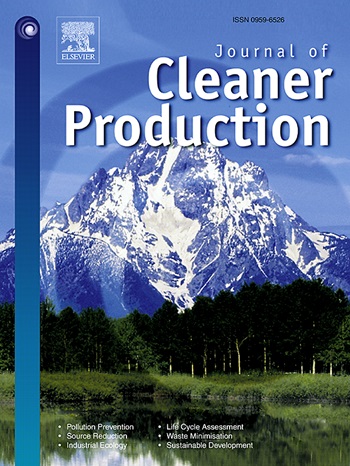
The Journal of Cleaner Production is an international, transdisciplinary journal that addresses and discusses theoretical and practical Cleaner Production, Environmental, and Sustainability issues. It aims to help societies become more sustainable by focusing on the concept of 'Cleaner Production', which aims at preventing waste production and increasing efficiencies in energy, water, resources, and human capital use. The journal serves as a platform for corporations, governments, education institutions, regions, and societies to engage in discussions and research related to Cleaner Production, environmental, and sustainability practices.




 京公网安备 11010802042870号
京ICP备2023020795号-1
京公网安备 11010802042870号
京ICP备2023020795号-1

 分享
分享
 求助内容:
求助内容: 应助结果提醒方式:
 扫码关注我们
