IF 2.9 3区 生物学Q2 MULTIDISCIPLINARY SCIENCESPeerJPub Date : 2025-01-29eCollection Date: 2025-01-01DOI:10.7717/peerj.18843
Yaru Wei, Zhengjun Peng
{"title":"基于Bloom教学目标分类法的翻转课堂模式在牙科本科学生牙髓学教学中的应用。","authors":"Yaru Wei, Zhengjun Peng","doi":"10.7717/peerj.18843","DOIUrl":null,"url":null,"abstract":"<p><strong>Introduction: </strong>The current study was conducted to compare the effects of the lecture method of teaching and the flipped classroom model based on Bloom's Taxonomy of Educational Objectives on the teaching of endodontics curriculum to undergraduate students majoring in stomatology, and to develop a standardized teaching process based on the flipped classroom model.</p><p><strong>Materials and methods: </strong>A standardized flipped classroom model based on Bloom's Taxonomy of Educational Objectives was established. Two groups of undergraduate students majoring in stomatology received instruction in a portion of the endodontics curriculum using either the lecture method or flipped classroom model of teaching. A teaching questionnaire was administered to evaluate the students' mastery of theoretical knowledge, understanding of learning objectives, satisfaction of teaching method, and learning interest. The SPSS 26.0 software was used for statistical analysis, and the <i>t</i>-test was used to compare the differences between the two groups.</p><p><strong>Results: </strong>Both learning model cohorts filled out assessment questionnaires upon completion of the pilot curriculum. Compared with the responses from students in the lecture-based group, the self-rating of theoretical knowledge reported by students in the flipped classroom cohort increased by 10.9%, from 7.1 ± 0.8 to 7.9 ± 0.7 (<i>t</i> = 2.912, <i>p</i> < 0.006). Students' test scores in the flipped classroom group increased by 17.1%, from 7.0 ± 0.8 to 8.2 ± 0.7 (<i>t</i> = 4.284, <i>p</i> < 0.001). Students' understanding of ideological and humanistic objectives as well as medical ethics were both significantly improved by 11.4% (<i>t</i> = 2.267, <i>p</i> = 0.009) and 13.9% (<i>t</i> = 2.600, <i>p</i> = 0.014), respectively. Students' satisfaction with the teaching model and class duration increased significantly, by 11.1% (<i>t</i> = 2.782, <i>p</i> = 0.009) and 14.3% (<i>t</i> = 2.449, <i>p</i> < 0.020), respectively. Students' learning interest increased by 17.1% (<i>t</i> = 3.101, <i>p</i> = 0.004). The length of study time prior to class under the flipped classroom model was longer than when using the traditional lecture method (<i>t</i> = 3.165, <i>p</i> = 0.003), but the flipped classroom model shortened review time after class (<i>t</i> = 4.038, <i>p</i> = 0.001). Students' self-reported understanding of teaching objectives improved by 8.3% (<i>t</i> = 1.762, <i>p</i> = 0.083), and satisfaction with the preview method and curriculum increased by 8.1% (<i>t</i> = 1.804, <i>p</i> = 0.081) and 11.1% (<i>t</i> = 1.861, <i>p</i> = 0.072), respectively. There was no statistically significant difference between the two groups.</p><p><strong>Conclusions: </strong>The flipped classroom teaching model based on Bloom's Taxonomy of Educational Objectives, combined with humanistic teaching objectives, can improve the efficacy of instruction, and merits popularizing and applying in the teaching of undergraduate students majoring in stomatology.</p>","PeriodicalId":19799,"journal":{"name":"PeerJ","volume":"13 ","pages":"e18843"},"PeriodicalIF":2.9000,"publicationDate":"2025-01-29","publicationTypes":"Journal Article","fieldsOfStudy":null,"isOpenAccess":false,"openAccessPdf":"https://www.ncbi.nlm.nih.gov/pmc/articles/PMC11786706/pdf/","citationCount":"0","resultStr":"{\"title\":\"Application of the flipped classroom model based on Bloom's Taxonomy of Educational Objectives in endodontics education for undergraduate dental students.\",\"authors\":\"Yaru Wei, Zhengjun Peng\",\"doi\":\"10.7717/peerj.18843\",\"DOIUrl\":null,\"url\":null,\"abstract\":\"<p><strong>Introduction: </strong>The current study was conducted to compare the effects of the lecture method of teaching and the flipped classroom model based on Bloom's Taxonomy of Educational Objectives on the teaching of endodontics curriculum to undergraduate students majoring in stomatology, and to develop a standardized teaching process based on the flipped classroom model.</p><p><strong>Materials and methods: </strong>A standardized flipped classroom model based on Bloom's Taxonomy of Educational Objectives was established. Two groups of undergraduate students majoring in stomatology received instruction in a portion of the endodontics curriculum using either the lecture method or flipped classroom model of teaching. A teaching questionnaire was administered to evaluate the students' mastery of theoretical knowledge, understanding of learning objectives, satisfaction of teaching method, and learning interest. The SPSS 26.0 software was used for statistical analysis, and the <i>t</i>-test was used to compare the differences between the two groups.</p><p><strong>Results: </strong>Both learning model cohorts filled out assessment questionnaires upon completion of the pilot curriculum. Compared with the responses from students in the lecture-based group, the self-rating of theoretical knowledge reported by students in the flipped classroom cohort increased by 10.9%, from 7.1 ± 0.8 to 7.9 ± 0.7 (<i>t</i> = 2.912, <i>p</i> < 0.006). Students' test scores in the flipped classroom group increased by 17.1%, from 7.0 ± 0.8 to 8.2 ± 0.7 (<i>t</i> = 4.284, <i>p</i> < 0.001). Students' understanding of ideological and humanistic objectives as well as medical ethics were both significantly improved by 11.4% (<i>t</i> = 2.267, <i>p</i> = 0.009) and 13.9% (<i>t</i> = 2.600, <i>p</i> = 0.014), respectively. Students' satisfaction with the teaching model and class duration increased significantly, by 11.1% (<i>t</i> = 2.782, <i>p</i> = 0.009) and 14.3% (<i>t</i> = 2.449, <i>p</i> < 0.020), respectively. Students' learning interest increased by 17.1% (<i>t</i> = 3.101, <i>p</i> = 0.004). The length of study time prior to class under the flipped classroom model was longer than when using the traditional lecture method (<i>t</i> = 3.165, <i>p</i> = 0.003), but the flipped classroom model shortened review time after class (<i>t</i> = 4.038, <i>p</i> = 0.001). Students' self-reported understanding of teaching objectives improved by 8.3% (<i>t</i> = 1.762, <i>p</i> = 0.083), and satisfaction with the preview method and curriculum increased by 8.1% (<i>t</i> = 1.804, <i>p</i> = 0.081) and 11.1% (<i>t</i> = 1.861, <i>p</i> = 0.072), respectively. There was no statistically significant difference between the two groups.</p><p><strong>Conclusions: </strong>The flipped classroom teaching model based on Bloom's Taxonomy of Educational Objectives, combined with humanistic teaching objectives, can improve the efficacy of instruction, and merits popularizing and applying in the teaching of undergraduate students majoring in stomatology.</p>\",\"PeriodicalId\":19799,\"journal\":{\"name\":\"PeerJ\",\"volume\":\"13 \",\"pages\":\"e18843\"},\"PeriodicalIF\":2.9000,\"publicationDate\":\"2025-01-29\",\"publicationTypes\":\"Journal Article\",\"fieldsOfStudy\":null,\"isOpenAccess\":false,\"openAccessPdf\":\"https://www.ncbi.nlm.nih.gov/pmc/articles/PMC11786706/pdf/\",\"citationCount\":\"0\",\"resultStr\":null,\"platform\":\"Semanticscholar\",\"paperid\":null,\"PeriodicalName\":\"PeerJ\",\"FirstCategoryId\":\"99\",\"ListUrlMain\":\"https://doi.org/10.7717/peerj.18843\",\"RegionNum\":3,\"RegionCategory\":\"生物学\",\"ArticlePicture\":[],\"TitleCN\":null,\"AbstractTextCN\":null,\"PMCID\":null,\"EPubDate\":\"2025/1/1 0:00:00\",\"PubModel\":\"eCollection\",\"JCR\":\"Q2\",\"JCRName\":\"MULTIDISCIPLINARY SCIENCES\",\"Score\":null,\"Total\":0}","platform":"Semanticscholar","paperid":null,"PeriodicalName":"PeerJ","FirstCategoryId":"99","ListUrlMain":"https://doi.org/10.7717/peerj.18843","RegionNum":3,"RegionCategory":"生物学","ArticlePicture":[],"TitleCN":null,"AbstractTextCN":null,"PMCID":null,"EPubDate":"2025/1/1 0:00:00","PubModel":"eCollection","JCR":"Q2","JCRName":"MULTIDISCIPLINARY SCIENCES","Score":null,"Total":0}
引用次数: 0
摘要
前言:本研究旨在比较基于Bloom教育目标分类法的课堂教学法与翻转课堂模式在口腔医学本科牙髓学课程教学中的效果,并建立基于翻转课堂模式的规范化教学流程。材料与方法:以布鲁姆的教育目标分类法为基础,建立了标准化的翻转课堂模型。两组口腔专业的本科生分别接受部分牙髓学课程的教学,其中一组采用课堂教学方法,另一组采用翻转课堂教学模式。采用教学问卷评估学生对理论知识的掌握程度、对学习目标的理解程度、对教学方法的满意度和学习兴趣。采用SPSS 26.0软件进行统计分析,采用t检验比较两组差异。结果:两个学习模式组在完成试点课程后都填写了评估问卷。与讲课组相比,翻转课堂组学生的理论知识自我评分从7.1±0.8提高到7.9±0.7,提高了10.9% (t = 2.912, p < 0.006)。翻转课堂组学生的考试成绩从7.0±0.8提高到8.2±0.7,提高了17.1% (t = 4.284, p < 0.001)。学生对思想人文目标和医学伦理的理解分别显著提高了11.4% (t = 2.267, p = 0.009)和13.9% (t = 2.600, p = 0.014)。学生对教学模式和课时的满意度显著提高,分别提高了11.1% (t = 2.782, p = 0.009)和14.3% (t = 2.449, p < 0.020)。学生的学习兴趣提高了17.1% (t = 3.101, p = 0.004)。翻转课堂模式下课前的学习时间比传统授课方式下的学习时间长(t = 3.165, p = 0.003),课后的复习时间短(t = 4.038, p = 0.001)。学生自述对教学目标的理解提高了8.3% (t = 1.762, p = 0.083),对预习方法和课程的满意度分别提高了8.1% (t = 1.804, p = 0.081)和11.1% (t = 1.861, p = 0.072)。两组间差异无统计学意义。结论:基于布鲁姆教育目标分类法的翻转课堂教学模式,结合人本主义教学目标,可以提高教学效果,值得在口腔医学本科专业教学中推广应用。
Application of the flipped classroom model based on Bloom's Taxonomy of Educational Objectives in endodontics education for undergraduate dental students.
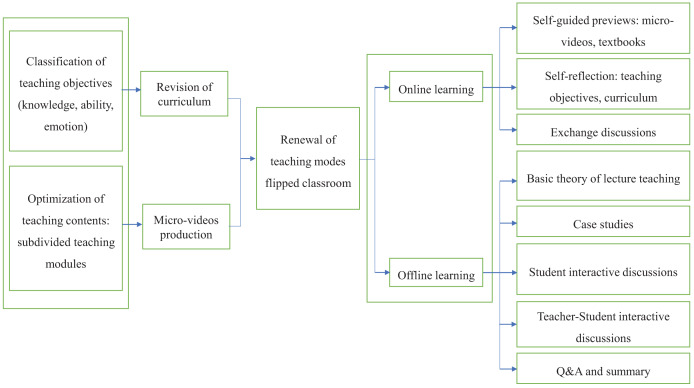
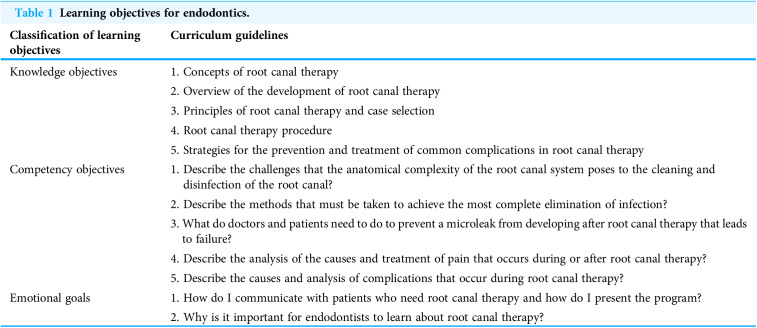
Introduction: The current study was conducted to compare the effects of the lecture method of teaching and the flipped classroom model based on Bloom's Taxonomy of Educational Objectives on the teaching of endodontics curriculum to undergraduate students majoring in stomatology, and to develop a standardized teaching process based on the flipped classroom model.
Materials and methods: A standardized flipped classroom model based on Bloom's Taxonomy of Educational Objectives was established. Two groups of undergraduate students majoring in stomatology received instruction in a portion of the endodontics curriculum using either the lecture method or flipped classroom model of teaching. A teaching questionnaire was administered to evaluate the students' mastery of theoretical knowledge, understanding of learning objectives, satisfaction of teaching method, and learning interest. The SPSS 26.0 software was used for statistical analysis, and the t-test was used to compare the differences between the two groups.
Results: Both learning model cohorts filled out assessment questionnaires upon completion of the pilot curriculum. Compared with the responses from students in the lecture-based group, the self-rating of theoretical knowledge reported by students in the flipped classroom cohort increased by 10.9%, from 7.1 ± 0.8 to 7.9 ± 0.7 (t = 2.912, p < 0.006). Students' test scores in the flipped classroom group increased by 17.1%, from 7.0 ± 0.8 to 8.2 ± 0.7 (t = 4.284, p < 0.001). Students' understanding of ideological and humanistic objectives as well as medical ethics were both significantly improved by 11.4% (t = 2.267, p = 0.009) and 13.9% (t = 2.600, p = 0.014), respectively. Students' satisfaction with the teaching model and class duration increased significantly, by 11.1% (t = 2.782, p = 0.009) and 14.3% (t = 2.449, p < 0.020), respectively. Students' learning interest increased by 17.1% (t = 3.101, p = 0.004). The length of study time prior to class under the flipped classroom model was longer than when using the traditional lecture method (t = 3.165, p = 0.003), but the flipped classroom model shortened review time after class (t = 4.038, p = 0.001). Students' self-reported understanding of teaching objectives improved by 8.3% (t = 1.762, p = 0.083), and satisfaction with the preview method and curriculum increased by 8.1% (t = 1.804, p = 0.081) and 11.1% (t = 1.861, p = 0.072), respectively. There was no statistically significant difference between the two groups.
Conclusions: The flipped classroom teaching model based on Bloom's Taxonomy of Educational Objectives, combined with humanistic teaching objectives, can improve the efficacy of instruction, and merits popularizing and applying in the teaching of undergraduate students majoring in stomatology.
期刊介绍:
PeerJ is an open access peer-reviewed scientific journal covering research in the biological and medical sciences. At PeerJ, authors take out a lifetime publication plan (for as little as $99) which allows them to publish articles in the journal for free, forever. PeerJ has 5 Nobel Prize Winners on the Board; they have won several industry and media awards; and they are widely recognized as being one of the most interesting recent developments in academic publishing.





 京公网安备 11010802042870号
京ICP备2023020795号-1
京公网安备 11010802042870号
京ICP备2023020795号-1

 分享
分享
 求助内容:
求助内容: 应助结果提醒方式:
 扫码关注我们
