IF 2.9 3区 生物学Q2 MULTIDISCIPLINARY SCIENCESPeerJPub Date : 2025-01-31eCollection Date: 2025-01-01DOI:10.7717/peerj.18889
Di Geng, Xiaogang Li, Yan Shi
{"title":"运动干预对中老年骨质疏松患者健康相关生活质量的影响:系统回顾和荟萃分析","authors":"Di Geng, Xiaogang Li, Yan Shi","doi":"10.7717/peerj.18889","DOIUrl":null,"url":null,"abstract":"<p><strong>Background: </strong>Osteoporosis is a common condition affecting middle-aged and older people, posing a serious threat to their health-related quality of life (HRQOL). In recent years, multiple studies have investigated the impact of exercise interventions on HRQOL in middle-aged and older individuals with osteoporosis, but the conclusions have been inconsistent. The aim of this study was to determine the true significance of exercise interventions on HRQOL in middle-aged and older individuals with osteoporosis and to identify optimal exercise prescriptions.</p><p><strong>Methods: </strong>Six databases were searched for RCTs on the impact of exercise interventions on HRQOL in middle-aged and older individuals with osteoporosis. The methodological quality of the study was evaluated with Cochrane risk assessment tool. The effect size pooling, heterogeneity testing, and publication bias were analyzed using Review Manager 5.4 software.</p><p><strong>Result: </strong>A total of 14 RCTs involving 1,214 participants were included, published between 2007 and 2022. The pooled results demonstrated that exercise interventions significantly improved general HRQOL (SMD = 0.79, 95% CI [0.34-1.24], <i>p</i> = 0.0006). In terms of physical HRQOL, significant improvements were observed in bodily pain (SMD = 0.51, 95% CI [0.24-0.78], <i>p</i>= 0.0002), physical function (SMD = 0.56, 95% CI [0.21-0.91], <i>p</i> = 0.002), role physical (SMD = 0.39, 95% CI [0.14-0.64], <i>p</i> = 0.003), and general health (SMD = 0.68, 95% CI [0.25-1.11], <i>p</i> = 0.002). Regarding mental HRQOL, significant improvements were found in vitality (SMD = 0.58, 95% CI [0.15-1.01], <i>p</i> = 0.008), social function (SMD = 0.37, 95% CI [0.17-0.58], <i>p</i> = 0.0004), and mental health (SMD = 0.50, 95% CI [0.25-0.74], <i>p</i> < 0.0001). Subgroup analysis results indicated that resistance training (SMD = 1.01, 95% CI [0.50-1.52], <i>p</i> = 0.0001), intervention frequency of at least three times per week (SMD = 0.80, 95% CI [0.22-1.38], <i>p</i> = 0.007), and intervention duration of 13-24 weeks (SMD = 0.85, 95% CI [0.37-1.33], <i>p</i> = 0.0005) had large and significant effects on general HRQOL improvements.</p><p><strong>Conclusion: </strong>Exercise interventions improved HRQOL in middle-aged and older individuals with osteoporosis. Resistance training has shown greater benefits than mixed exercises. The optimal frequency is at least three per week, yielding the greatest improvement. Exercise interventions lasting 13-24 weeks had the most pronounced effect compared to other durations.</p><p><strong>Registration: </strong>PROSPERO (No. CRD42023438771).</p>","PeriodicalId":19799,"journal":{"name":"PeerJ","volume":"13 ","pages":"e18889"},"PeriodicalIF":2.9000,"publicationDate":"2025-01-31","publicationTypes":"Journal Article","fieldsOfStudy":null,"isOpenAccess":false,"openAccessPdf":"https://www.ncbi.nlm.nih.gov/pmc/articles/PMC11789655/pdf/","citationCount":"0","resultStr":"{\"title\":\"Effect of exercise intervention on health-related quality of life in middle-aged and older people with osteoporosis: a systematic review and meta-analysis.\",\"authors\":\"Di Geng, Xiaogang Li, Yan Shi\",\"doi\":\"10.7717/peerj.18889\",\"DOIUrl\":null,\"url\":null,\"abstract\":\"<p><strong>Background: </strong>Osteoporosis is a common condition affecting middle-aged and older people, posing a serious threat to their health-related quality of life (HRQOL). In recent years, multiple studies have investigated the impact of exercise interventions on HRQOL in middle-aged and older individuals with osteoporosis, but the conclusions have been inconsistent. The aim of this study was to determine the true significance of exercise interventions on HRQOL in middle-aged and older individuals with osteoporosis and to identify optimal exercise prescriptions.</p><p><strong>Methods: </strong>Six databases were searched for RCTs on the impact of exercise interventions on HRQOL in middle-aged and older individuals with osteoporosis. The methodological quality of the study was evaluated with Cochrane risk assessment tool. The effect size pooling, heterogeneity testing, and publication bias were analyzed using Review Manager 5.4 software.</p><p><strong>Result: </strong>A total of 14 RCTs involving 1,214 participants were included, published between 2007 and 2022. The pooled results demonstrated that exercise interventions significantly improved general HRQOL (SMD = 0.79, 95% CI [0.34-1.24], <i>p</i> = 0.0006). In terms of physical HRQOL, significant improvements were observed in bodily pain (SMD = 0.51, 95% CI [0.24-0.78], <i>p</i>= 0.0002), physical function (SMD = 0.56, 95% CI [0.21-0.91], <i>p</i> = 0.002), role physical (SMD = 0.39, 95% CI [0.14-0.64], <i>p</i> = 0.003), and general health (SMD = 0.68, 95% CI [0.25-1.11], <i>p</i> = 0.002). Regarding mental HRQOL, significant improvements were found in vitality (SMD = 0.58, 95% CI [0.15-1.01], <i>p</i> = 0.008), social function (SMD = 0.37, 95% CI [0.17-0.58], <i>p</i> = 0.0004), and mental health (SMD = 0.50, 95% CI [0.25-0.74], <i>p</i> < 0.0001). Subgroup analysis results indicated that resistance training (SMD = 1.01, 95% CI [0.50-1.52], <i>p</i> = 0.0001), intervention frequency of at least three times per week (SMD = 0.80, 95% CI [0.22-1.38], <i>p</i> = 0.007), and intervention duration of 13-24 weeks (SMD = 0.85, 95% CI [0.37-1.33], <i>p</i> = 0.0005) had large and significant effects on general HRQOL improvements.</p><p><strong>Conclusion: </strong>Exercise interventions improved HRQOL in middle-aged and older individuals with osteoporosis. Resistance training has shown greater benefits than mixed exercises. The optimal frequency is at least three per week, yielding the greatest improvement. Exercise interventions lasting 13-24 weeks had the most pronounced effect compared to other durations.</p><p><strong>Registration: </strong>PROSPERO (No. CRD42023438771).</p>\",\"PeriodicalId\":19799,\"journal\":{\"name\":\"PeerJ\",\"volume\":\"13 \",\"pages\":\"e18889\"},\"PeriodicalIF\":2.9000,\"publicationDate\":\"2025-01-31\",\"publicationTypes\":\"Journal Article\",\"fieldsOfStudy\":null,\"isOpenAccess\":false,\"openAccessPdf\":\"https://www.ncbi.nlm.nih.gov/pmc/articles/PMC11789655/pdf/\",\"citationCount\":\"0\",\"resultStr\":null,\"platform\":\"Semanticscholar\",\"paperid\":null,\"PeriodicalName\":\"PeerJ\",\"FirstCategoryId\":\"99\",\"ListUrlMain\":\"https://doi.org/10.7717/peerj.18889\",\"RegionNum\":3,\"RegionCategory\":\"生物学\",\"ArticlePicture\":[],\"TitleCN\":null,\"AbstractTextCN\":null,\"PMCID\":null,\"EPubDate\":\"2025/1/1 0:00:00\",\"PubModel\":\"eCollection\",\"JCR\":\"Q2\",\"JCRName\":\"MULTIDISCIPLINARY SCIENCES\",\"Score\":null,\"Total\":0}","platform":"Semanticscholar","paperid":null,"PeriodicalName":"PeerJ","FirstCategoryId":"99","ListUrlMain":"https://doi.org/10.7717/peerj.18889","RegionNum":3,"RegionCategory":"生物学","ArticlePicture":[],"TitleCN":null,"AbstractTextCN":null,"PMCID":null,"EPubDate":"2025/1/1 0:00:00","PubModel":"eCollection","JCR":"Q2","JCRName":"MULTIDISCIPLINARY SCIENCES","Score":null,"Total":0}
引用次数: 0
摘要
背景:骨质疏松症是影响中老年人的常见病,严重威胁其健康相关生活质量(HRQOL)。近年来,有多项研究调查了运动干预对中老年骨质疏松患者HRQOL的影响,但结论并不一致。本研究的目的是确定运动干预对中老年骨质疏松症患者HRQOL的真正意义,并确定最佳运动处方。方法:检索6个数据库,检索运动干预对中老年骨质疏松患者HRQOL影响的随机对照试验。采用Cochrane风险评估工具对研究的方法学质量进行评价。使用Review Manager 5.4软件分析效应大小池、异质性检验和发表偏倚。结果:共纳入14项随机对照试验,涉及1,214名受试者,发表于2007年至2022年。综合结果显示,运动干预显著改善了总体HRQOL (SMD = 0.79, 95% CI [0.34-1.24], p = 0.0006)。在身体HRQOL方面,在身体疼痛(SMD = 0.51, 95% CI [0.24-0.78], p= 0.0002)、身体功能(SMD = 0.56, 95% CI [0.21-0.91], p= 0.002)、身体功能(SMD = 0.39, 95% CI [0.14-0.64], p= 0.003)和总体健康(SMD = 0.68, 95% CI [0.25-1.11], p= 0.002)方面均有显著改善。关于精神HRQOL,显著改善发现活力(SMD = 0.58, 95% CI [0.15 - -1.01], p = 0.008),社会功能(SMD = 0.37, 95% CI [0.17 - -0.58], p = 0.0004),和心理健康(SMD = 0.50, 95% CI [0.25 - -0.74], p p = 0.0001),干预每周至少三次的频率(SMD = 0.80, 95% CI [0.22 - -1.38], p = 0.007),和干预时间24里面周(SMD = 0.85, 95% CI [0.37 - -1.33], p = 0.0005)有大型和重要影响一般HRQOL的改进。结论:运动干预可改善中老年骨质疏松患者的HRQOL。阻力训练显示出比混合训练更大的益处。最佳频率是每周至少三次,这会产生最大的改善。与其他持续时间相比,持续13-24周的运动干预效果最为显著。登记:普洛斯彼罗(普洛斯彼罗)CRD42023438771)。
Effect of exercise intervention on health-related quality of life in middle-aged and older people with osteoporosis: a systematic review and meta-analysis.
Background: Osteoporosis is a common condition affecting middle-aged and older people, posing a serious threat to their health-related quality of life (HRQOL). In recent years, multiple studies have investigated the impact of exercise interventions on HRQOL in middle-aged and older individuals with osteoporosis, but the conclusions have been inconsistent. The aim of this study was to determine the true significance of exercise interventions on HRQOL in middle-aged and older individuals with osteoporosis and to identify optimal exercise prescriptions.
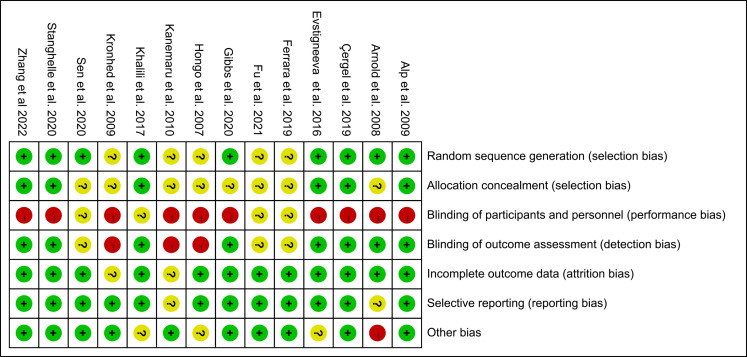
Methods: Six databases were searched for RCTs on the impact of exercise interventions on HRQOL in middle-aged and older individuals with osteoporosis. The methodological quality of the study was evaluated with Cochrane risk assessment tool. The effect size pooling, heterogeneity testing, and publication bias were analyzed using Review Manager 5.4 software.
Result: A total of 14 RCTs involving 1,214 participants were included, published between 2007 and 2022. The pooled results demonstrated that exercise interventions significantly improved general HRQOL (SMD = 0.79, 95% CI [0.34-1.24], p = 0.0006). In terms of physical HRQOL, significant improvements were observed in bodily pain (SMD = 0.51, 95% CI [0.24-0.78], p= 0.0002), physical function (SMD = 0.56, 95% CI [0.21-0.91], p = 0.002), role physical (SMD = 0.39, 95% CI [0.14-0.64], p = 0.003), and general health (SMD = 0.68, 95% CI [0.25-1.11], p = 0.002). Regarding mental HRQOL, significant improvements were found in vitality (SMD = 0.58, 95% CI [0.15-1.01], p = 0.008), social function (SMD = 0.37, 95% CI [0.17-0.58], p = 0.0004), and mental health (SMD = 0.50, 95% CI [0.25-0.74], p < 0.0001). Subgroup analysis results indicated that resistance training (SMD = 1.01, 95% CI [0.50-1.52], p = 0.0001), intervention frequency of at least three times per week (SMD = 0.80, 95% CI [0.22-1.38], p = 0.007), and intervention duration of 13-24 weeks (SMD = 0.85, 95% CI [0.37-1.33], p = 0.0005) had large and significant effects on general HRQOL improvements.
Conclusion: Exercise interventions improved HRQOL in middle-aged and older individuals with osteoporosis. Resistance training has shown greater benefits than mixed exercises. The optimal frequency is at least three per week, yielding the greatest improvement. Exercise interventions lasting 13-24 weeks had the most pronounced effect compared to other durations.
期刊介绍:
PeerJ is an open access peer-reviewed scientific journal covering research in the biological and medical sciences. At PeerJ, authors take out a lifetime publication plan (for as little as $99) which allows them to publish articles in the journal for free, forever. PeerJ has 5 Nobel Prize Winners on the Board; they have won several industry and media awards; and they are widely recognized as being one of the most interesting recent developments in academic publishing.







 京公网安备 11010802042870号
京ICP备2023020795号-1
京公网安备 11010802042870号
京ICP备2023020795号-1

 分享
分享
 求助内容:
求助内容: 应助结果提醒方式:
 扫码关注我们
