{"title":"昆虫细胞毒素-抗毒素系统的流线型克隆及毒性评价策略","authors":"Yunfei Li, Shizhe Hu, Jing Wang, Liping Lv, Xueting Zhao, Hanbing Li, Weihua Ma, Hongxia Hua, Zhihui Zhu","doi":"10.1016/j.pestbp.2024.106261","DOIUrl":null,"url":null,"abstract":"<div><div>Toxin-antitoxin (TA) systems, which are prevalent in bacteria and archaea, have significant potential applications in eukaryotic cells due to their characteristic ability to inhibit cell growth. In particular, type II TA systems, where both the toxin and antitoxin are proteins, can serve as lethal and rescue genes in genetic pest management. However, traditional methods of cloning these systems often encounter difficulties due to cryptic promoter driven expression of toxins during the cloning process. To address this issue, we have developed a novel cloning method that incorporates an additional prokaryotic promoter to express the antitoxin, thus preventing the deleterious effects of toxin expression in bacterial cells. This method allows for efficient and straightforward construction of toxin vectors and the rapid screening of effective TA systems in insect cells. Our study focused on evaluating the toxicity of various type II TA systems in Sf9 insect cells. We cloned and tested toxins and antitoxins from <em>Escherichia coli</em>, <em>Streptococcus pneumoniae</em>, and <em>Rickettsia rickettsii</em>. The toxicity of each system was assessed by the number of red fluorescent cells post-transfection. Our results demonstrated that toxins such as MazF (<em>E. coli</em>-2782), RelE (<em>Spn</em>-1223), and RelE (<em>Spn</em>-1104) exhibited high levels of toxicity in Sf9 cells, while other toxins showed varying degrees of effectiveness. The corresponding antitoxins were able to neutralize the toxins in a dose-dependent manner, although some antitoxins, like MnT (<em>R. felis</em>-0357) and MazE (<em>E. coli</em>-4224), were ineffective in insect cells. This study highlights the potential for applying type II TA systems in genetic pest management and other eukaryotic applications. Our novel cloning approach provides a robust platform for the rapid and efficient evaluation of TA systems, paving the way for future research and application in pest control and beyond.</div></div>","PeriodicalId":19828,"journal":{"name":"Pesticide Biochemistry and Physiology","volume":"208 ","pages":"Article 106261"},"PeriodicalIF":4.8000,"publicationDate":"2025-03-01","publicationTypes":"Journal Article","fieldsOfStudy":null,"isOpenAccess":false,"openAccessPdf":"","citationCount":"0","resultStr":"{\"title\":\"A streamlined cloning and toxicity evaluation strategy of toxin-antitoxin systems in insect cells\",\"authors\":\"Yunfei Li, Shizhe Hu, Jing Wang, Liping Lv, Xueting Zhao, Hanbing Li, Weihua Ma, Hongxia Hua, Zhihui Zhu\",\"doi\":\"10.1016/j.pestbp.2024.106261\",\"DOIUrl\":null,\"url\":null,\"abstract\":\"<div><div>Toxin-antitoxin (TA) systems, which are prevalent in bacteria and archaea, have significant potential applications in eukaryotic cells due to their characteristic ability to inhibit cell growth. In particular, type II TA systems, where both the toxin and antitoxin are proteins, can serve as lethal and rescue genes in genetic pest management. However, traditional methods of cloning these systems often encounter difficulties due to cryptic promoter driven expression of toxins during the cloning process. To address this issue, we have developed a novel cloning method that incorporates an additional prokaryotic promoter to express the antitoxin, thus preventing the deleterious effects of toxin expression in bacterial cells. This method allows for efficient and straightforward construction of toxin vectors and the rapid screening of effective TA systems in insect cells. Our study focused on evaluating the toxicity of various type II TA systems in Sf9 insect cells. We cloned and tested toxins and antitoxins from <em>Escherichia coli</em>, <em>Streptococcus pneumoniae</em>, and <em>Rickettsia rickettsii</em>. The toxicity of each system was assessed by the number of red fluorescent cells post-transfection. Our results demonstrated that toxins such as MazF (<em>E. coli</em>-2782), RelE (<em>Spn</em>-1223), and RelE (<em>Spn</em>-1104) exhibited high levels of toxicity in Sf9 cells, while other toxins showed varying degrees of effectiveness. The corresponding antitoxins were able to neutralize the toxins in a dose-dependent manner, although some antitoxins, like MnT (<em>R. felis</em>-0357) and MazE (<em>E. coli</em>-4224), were ineffective in insect cells. This study highlights the potential for applying type II TA systems in genetic pest management and other eukaryotic applications. Our novel cloning approach provides a robust platform for the rapid and efficient evaluation of TA systems, paving the way for future research and application in pest control and beyond.</div></div>\",\"PeriodicalId\":19828,\"journal\":{\"name\":\"Pesticide Biochemistry and Physiology\",\"volume\":\"208 \",\"pages\":\"Article 106261\"},\"PeriodicalIF\":4.8000,\"publicationDate\":\"2025-03-01\",\"publicationTypes\":\"Journal Article\",\"fieldsOfStudy\":null,\"isOpenAccess\":false,\"openAccessPdf\":\"\",\"citationCount\":\"0\",\"resultStr\":null,\"platform\":\"Semanticscholar\",\"paperid\":null,\"PeriodicalName\":\"Pesticide Biochemistry and Physiology\",\"FirstCategoryId\":\"97\",\"ListUrlMain\":\"https://www.sciencedirect.com/science/article/pii/S0048357524004942\",\"RegionNum\":1,\"RegionCategory\":\"农林科学\",\"ArticlePicture\":[],\"TitleCN\":null,\"AbstractTextCN\":null,\"PMCID\":null,\"EPubDate\":\"2024/12/24 0:00:00\",\"PubModel\":\"Epub\",\"JCR\":\"Q2\",\"JCRName\":\"BIOCHEMISTRY & MOLECULAR BIOLOGY\",\"Score\":null,\"Total\":0}","platform":"Semanticscholar","paperid":null,"PeriodicalName":"Pesticide Biochemistry and Physiology","FirstCategoryId":"97","ListUrlMain":"https://www.sciencedirect.com/science/article/pii/S0048357524004942","RegionNum":1,"RegionCategory":"农林科学","ArticlePicture":[],"TitleCN":null,"AbstractTextCN":null,"PMCID":null,"EPubDate":"2024/12/24 0:00:00","PubModel":"Epub","JCR":"Q2","JCRName":"BIOCHEMISTRY & MOLECULAR BIOLOGY","Score":null,"Total":0}
A streamlined cloning and toxicity evaluation strategy of toxin-antitoxin systems in insect cells
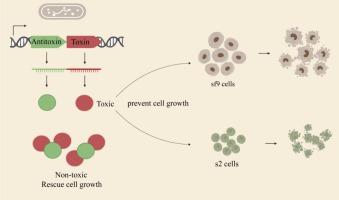
Toxin-antitoxin (TA) systems, which are prevalent in bacteria and archaea, have significant potential applications in eukaryotic cells due to their characteristic ability to inhibit cell growth. In particular, type II TA systems, where both the toxin and antitoxin are proteins, can serve as lethal and rescue genes in genetic pest management. However, traditional methods of cloning these systems often encounter difficulties due to cryptic promoter driven expression of toxins during the cloning process. To address this issue, we have developed a novel cloning method that incorporates an additional prokaryotic promoter to express the antitoxin, thus preventing the deleterious effects of toxin expression in bacterial cells. This method allows for efficient and straightforward construction of toxin vectors and the rapid screening of effective TA systems in insect cells. Our study focused on evaluating the toxicity of various type II TA systems in Sf9 insect cells. We cloned and tested toxins and antitoxins from Escherichia coli, Streptococcus pneumoniae, and Rickettsia rickettsii. The toxicity of each system was assessed by the number of red fluorescent cells post-transfection. Our results demonstrated that toxins such as MazF (E. coli-2782), RelE (Spn-1223), and RelE (Spn-1104) exhibited high levels of toxicity in Sf9 cells, while other toxins showed varying degrees of effectiveness. The corresponding antitoxins were able to neutralize the toxins in a dose-dependent manner, although some antitoxins, like MnT (R. felis-0357) and MazE (E. coli-4224), were ineffective in insect cells. This study highlights the potential for applying type II TA systems in genetic pest management and other eukaryotic applications. Our novel cloning approach provides a robust platform for the rapid and efficient evaluation of TA systems, paving the way for future research and application in pest control and beyond.
期刊介绍:
Pesticide Biochemistry and Physiology publishes original scientific articles pertaining to the mode of action of plant protection agents such as insecticides, fungicides, herbicides, and similar compounds, including nonlethal pest control agents, biosynthesis of pheromones, hormones, and plant resistance agents. Manuscripts may include a biochemical, physiological, or molecular study for an understanding of comparative toxicology or selective toxicity of both target and nontarget organisms. Particular interest will be given to studies on the molecular biology of pest control, toxicology, and pesticide resistance.
Research Areas Emphasized Include the Biochemistry and Physiology of:
• Comparative toxicity
• Mode of action
• Pathophysiology
• Plant growth regulators
• Resistance
• Other effects of pesticides on both parasites and hosts.




 京公网安备 11010802042870号
京ICP备2023020795号-1
京公网安备 11010802042870号
京ICP备2023020795号-1

 分享
分享
 求助内容:
求助内容: 应助结果提醒方式:
 扫码关注我们
