Nezha Mejjad , Amine El Mahdi Safhi , Abdelmourhit Laissaoui
{"title":"微塑料污染对沿海和海洋生态系统服务的潜在影响的深刻分析综述","authors":"Nezha Mejjad , Amine El Mahdi Safhi , Abdelmourhit Laissaoui","doi":"10.1016/j.hazadv.2024.100578","DOIUrl":null,"url":null,"abstract":"<div><div>The increasing volume of plastic waste and the widespread use of plastic products pose significant challenges to the effectiveness of strategies, policies, and management projects aimed at combating ocean plastic pollution. Three billion people's livelihoods depend on marine and coastal resources, and the market value of these resources and related blue industries is estimated at US$3 trillion annually, which is about 5 % of global GDP. Plastics make up around 80 % of the total waste discarded in the ocean, and each year, over 13 million metric tons of plastic enter the marine environment threatening biodiversity and affecting ecosystem services upon which the economy of coastal countries depends. This paper explores the impact of plastic waste on understudied marine and coastal ecosystem services, utilizing the Millennium Ecosystem Assessment framework as a guide. This study reveals that prioritizing the assessment and study of supporting services is critical for maintaining and sustaining other services. This review provides data on the impact of plastic on marine ecosystem services and highlights the need for effective plastic waste management to sustain these services. Coordinated global actions and initiatives among regions, nations, and industries remain crucial steps in addressing and tackling plastic pollution in the ocean.</div></div>","PeriodicalId":73763,"journal":{"name":"Journal of hazardous materials advances","volume":"17 ","pages":"Article 100578"},"PeriodicalIF":7.7000,"publicationDate":"2025-02-01","publicationTypes":"Journal Article","fieldsOfStudy":null,"isOpenAccess":false,"openAccessPdf":"","citationCount":"0","resultStr":"{\"title\":\"Insightful analytical review of potential impacts of microplastic pollution on coastal and marine ecosystem services\",\"authors\":\"Nezha Mejjad , Amine El Mahdi Safhi , Abdelmourhit Laissaoui\",\"doi\":\"10.1016/j.hazadv.2024.100578\",\"DOIUrl\":null,\"url\":null,\"abstract\":\"<div><div>The increasing volume of plastic waste and the widespread use of plastic products pose significant challenges to the effectiveness of strategies, policies, and management projects aimed at combating ocean plastic pollution. Three billion people's livelihoods depend on marine and coastal resources, and the market value of these resources and related blue industries is estimated at US$3 trillion annually, which is about 5 % of global GDP. Plastics make up around 80 % of the total waste discarded in the ocean, and each year, over 13 million metric tons of plastic enter the marine environment threatening biodiversity and affecting ecosystem services upon which the economy of coastal countries depends. This paper explores the impact of plastic waste on understudied marine and coastal ecosystem services, utilizing the Millennium Ecosystem Assessment framework as a guide. This study reveals that prioritizing the assessment and study of supporting services is critical for maintaining and sustaining other services. This review provides data on the impact of plastic on marine ecosystem services and highlights the need for effective plastic waste management to sustain these services. Coordinated global actions and initiatives among regions, nations, and industries remain crucial steps in addressing and tackling plastic pollution in the ocean.</div></div>\",\"PeriodicalId\":73763,\"journal\":{\"name\":\"Journal of hazardous materials advances\",\"volume\":\"17 \",\"pages\":\"Article 100578\"},\"PeriodicalIF\":7.7000,\"publicationDate\":\"2025-02-01\",\"publicationTypes\":\"Journal Article\",\"fieldsOfStudy\":null,\"isOpenAccess\":false,\"openAccessPdf\":\"\",\"citationCount\":\"0\",\"resultStr\":null,\"platform\":\"Semanticscholar\",\"paperid\":null,\"PeriodicalName\":\"Journal of hazardous materials advances\",\"FirstCategoryId\":\"1085\",\"ListUrlMain\":\"https://www.sciencedirect.com/science/article/pii/S2772416624001785\",\"RegionNum\":0,\"RegionCategory\":null,\"ArticlePicture\":[],\"TitleCN\":null,\"AbstractTextCN\":null,\"PMCID\":null,\"EPubDate\":\"2025/1/2 0:00:00\",\"PubModel\":\"Epub\",\"JCR\":\"Q2\",\"JCRName\":\"ENGINEERING, ENVIRONMENTAL\",\"Score\":null,\"Total\":0}","platform":"Semanticscholar","paperid":null,"PeriodicalName":"Journal of hazardous materials advances","FirstCategoryId":"1085","ListUrlMain":"https://www.sciencedirect.com/science/article/pii/S2772416624001785","RegionNum":0,"RegionCategory":null,"ArticlePicture":[],"TitleCN":null,"AbstractTextCN":null,"PMCID":null,"EPubDate":"2025/1/2 0:00:00","PubModel":"Epub","JCR":"Q2","JCRName":"ENGINEERING, ENVIRONMENTAL","Score":null,"Total":0}
Insightful analytical review of potential impacts of microplastic pollution on coastal and marine ecosystem services
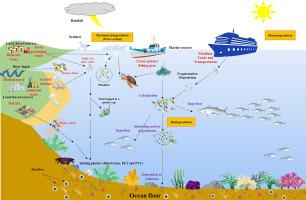
The increasing volume of plastic waste and the widespread use of plastic products pose significant challenges to the effectiveness of strategies, policies, and management projects aimed at combating ocean plastic pollution. Three billion people's livelihoods depend on marine and coastal resources, and the market value of these resources and related blue industries is estimated at US$3 trillion annually, which is about 5 % of global GDP. Plastics make up around 80 % of the total waste discarded in the ocean, and each year, over 13 million metric tons of plastic enter the marine environment threatening biodiversity and affecting ecosystem services upon which the economy of coastal countries depends. This paper explores the impact of plastic waste on understudied marine and coastal ecosystem services, utilizing the Millennium Ecosystem Assessment framework as a guide. This study reveals that prioritizing the assessment and study of supporting services is critical for maintaining and sustaining other services. This review provides data on the impact of plastic on marine ecosystem services and highlights the need for effective plastic waste management to sustain these services. Coordinated global actions and initiatives among regions, nations, and industries remain crucial steps in addressing and tackling plastic pollution in the ocean.





 京公网安备 11010802042870号
京ICP备2023020795号-1
京公网安备 11010802042870号
京ICP备2023020795号-1

 分享
分享
 求助内容:
求助内容: 应助结果提醒方式:
 扫码关注我们
