Puthiyavalappil Rasin , Ashwathi A V , Sabeel M Basheer , Jebiti Haribabu , Juan F. Santibanez , Claudio Allard Garrote , Arunachalam Arulraj , Ramalinga Viswanathan Mangalaraja
{"title":"镉暴露及其对人体健康的影响:综述","authors":"Puthiyavalappil Rasin , Ashwathi A V , Sabeel M Basheer , Jebiti Haribabu , Juan F. Santibanez , Claudio Allard Garrote , Arunachalam Arulraj , Ramalinga Viswanathan Mangalaraja","doi":"10.1016/j.hazadv.2025.100608","DOIUrl":null,"url":null,"abstract":"<div><div>One of the most harmful heavy metals that is commonly found in water, air, soil, and sediments is cadmium (Cd). Humans are most exposed to cadmium through inhalation, cigarette smoking, and consumption of contaminated food and water. It shows a half-life of around 25 to 30 years in plants and mammals. Epidemiological evidence suggests a link between cadmium exposure and several cancers: breast, lung, prostate, nasopharynx, pancreas, kidney, <em>etc</em>. Thus, this type of article is necessary to raise awareness in society and help individuals manage heavy metal ion toxicity. With an emphasis on the organs most impacted, the mechanisms of toxicity, and the long-term effects of exposure, this article aims to present a thorough analysis of the effects of cadmium exposure on human health. It also identifies the gaps in the existing literature and makes recommendations for future research areas to fully comprehend the effects of cadmium and create efficient mitigation and prevention plans.</div></div>","PeriodicalId":73763,"journal":{"name":"Journal of hazardous materials advances","volume":"17 ","pages":"Article 100608"},"PeriodicalIF":7.7000,"publicationDate":"2025-02-01","publicationTypes":"Journal Article","fieldsOfStudy":null,"isOpenAccess":false,"openAccessPdf":"","citationCount":"0","resultStr":"{\"title\":\"Exposure to cadmium and its impacts on human health: A short review\",\"authors\":\"Puthiyavalappil Rasin , Ashwathi A V , Sabeel M Basheer , Jebiti Haribabu , Juan F. Santibanez , Claudio Allard Garrote , Arunachalam Arulraj , Ramalinga Viswanathan Mangalaraja\",\"doi\":\"10.1016/j.hazadv.2025.100608\",\"DOIUrl\":null,\"url\":null,\"abstract\":\"<div><div>One of the most harmful heavy metals that is commonly found in water, air, soil, and sediments is cadmium (Cd). Humans are most exposed to cadmium through inhalation, cigarette smoking, and consumption of contaminated food and water. It shows a half-life of around 25 to 30 years in plants and mammals. Epidemiological evidence suggests a link between cadmium exposure and several cancers: breast, lung, prostate, nasopharynx, pancreas, kidney, <em>etc</em>. Thus, this type of article is necessary to raise awareness in society and help individuals manage heavy metal ion toxicity. With an emphasis on the organs most impacted, the mechanisms of toxicity, and the long-term effects of exposure, this article aims to present a thorough analysis of the effects of cadmium exposure on human health. It also identifies the gaps in the existing literature and makes recommendations for future research areas to fully comprehend the effects of cadmium and create efficient mitigation and prevention plans.</div></div>\",\"PeriodicalId\":73763,\"journal\":{\"name\":\"Journal of hazardous materials advances\",\"volume\":\"17 \",\"pages\":\"Article 100608\"},\"PeriodicalIF\":7.7000,\"publicationDate\":\"2025-02-01\",\"publicationTypes\":\"Journal Article\",\"fieldsOfStudy\":null,\"isOpenAccess\":false,\"openAccessPdf\":\"\",\"citationCount\":\"0\",\"resultStr\":null,\"platform\":\"Semanticscholar\",\"paperid\":null,\"PeriodicalName\":\"Journal of hazardous materials advances\",\"FirstCategoryId\":\"1085\",\"ListUrlMain\":\"https://www.sciencedirect.com/science/article/pii/S2772416625000208\",\"RegionNum\":0,\"RegionCategory\":null,\"ArticlePicture\":[],\"TitleCN\":null,\"AbstractTextCN\":null,\"PMCID\":null,\"EPubDate\":\"2025/1/16 0:00:00\",\"PubModel\":\"Epub\",\"JCR\":\"Q2\",\"JCRName\":\"ENGINEERING, ENVIRONMENTAL\",\"Score\":null,\"Total\":0}","platform":"Semanticscholar","paperid":null,"PeriodicalName":"Journal of hazardous materials advances","FirstCategoryId":"1085","ListUrlMain":"https://www.sciencedirect.com/science/article/pii/S2772416625000208","RegionNum":0,"RegionCategory":null,"ArticlePicture":[],"TitleCN":null,"AbstractTextCN":null,"PMCID":null,"EPubDate":"2025/1/16 0:00:00","PubModel":"Epub","JCR":"Q2","JCRName":"ENGINEERING, ENVIRONMENTAL","Score":null,"Total":0}
Exposure to cadmium and its impacts on human health: A short review
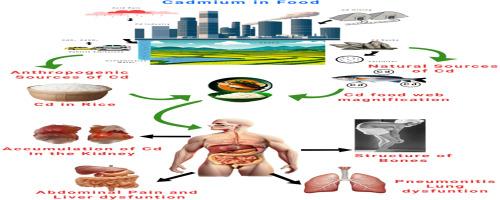
One of the most harmful heavy metals that is commonly found in water, air, soil, and sediments is cadmium (Cd). Humans are most exposed to cadmium through inhalation, cigarette smoking, and consumption of contaminated food and water. It shows a half-life of around 25 to 30 years in plants and mammals. Epidemiological evidence suggests a link between cadmium exposure and several cancers: breast, lung, prostate, nasopharynx, pancreas, kidney, etc. Thus, this type of article is necessary to raise awareness in society and help individuals manage heavy metal ion toxicity. With an emphasis on the organs most impacted, the mechanisms of toxicity, and the long-term effects of exposure, this article aims to present a thorough analysis of the effects of cadmium exposure on human health. It also identifies the gaps in the existing literature and makes recommendations for future research areas to fully comprehend the effects of cadmium and create efficient mitigation and prevention plans.





 京公网安备 11010802042870号
京ICP备2023020795号-1
京公网安备 11010802042870号
京ICP备2023020795号-1

 分享
分享
 求助内容:
求助内容: 应助结果提醒方式:
 扫码关注我们
