{"title":"牡丹籽调油治疗昆明小鼠糖尿病的有效成分及作用机制:GC-MS、网络药理学及实验验证","authors":"Yuning Gu, Fengliang Zhong, Tiantian Sun, Zirui Chang","doi":"10.1016/j.jff.2024.106652","DOIUrl":null,"url":null,"abstract":"<div><div>Soybean oil, rich in linoleic acid, plays a crucial role in lowering blood lipids and cholesterol, which helps prevent cardiovascular diseases. The lecithin content in soybeans is also essential for the development and growth of the nervous system, blood vessels, and brain. Canola oil, with a higher level of Omega-3 polyunsaturated fatty acids, helps soften blood vessels and can prevent atherosclerosis, offering benefits for both cardiovascular and cerebrovascular health. Blending these oils can create a synergistic effect, maximizing their health benefits. Furthermore, all three oils should meet the national standard GB 2716–2018 for vegetable oils. Peony seed oil, high in unsaturated fatty acids, particularly α-linolenic acid, has shown significant hypoglycemic effects. To enhance these effects, soybean and canola oils, which contain beneficial components like linoleic acid and oleic acid, were blended with peony seed oil. This study aimed to evaluate the combined hypoglycemic potential of these oils through in vitro and in vivo experiments, supported by network pharmacology and molecular docking analyses to explore the underlying mechanisms. The research provides valuable insights into the potential therapeutic use of this blended oil in diabetes management, offering a natural alternative for hypoglycemic treatments. <span><span>Zhao et al. (2021)</span></span>, <span><span>Suyun et al. (2024)</span></span> (<span><span>Suyun et al., 2024</span></span>; <span><span>Zhao et al., 2021</span></span>). In vitro and in vivo experiments, as well as network pharmacology and molecular docking analysis, were conducted to evaluate the hypoglycemic effects of peony seed oil, soybean oil, rapeseed oil, and their blends. GC–MS analysis identified nine major components, including γ-sitosterol, α-linolenic acid, and linoleic acid (<span><span><em>Journal of Food Biochemistry</em>, 2020</span></span>). The results showed that the optimal blend ratio of peony seed oil to soybean and rapeseed oils was 60:27:11, which significantly inhibited α-amylase and α-glucosidase activities. Network pharmacology and molecular docking revealed that α-linolenic acid and linoleic acid are key active compounds, targeting PPARG and MAPK3, primarily through the PPAR and IL17 signaling pathways. This multi-component, multi-target, and multi-pathway approach offers potential synergistic benefits for diabetes treatment. The study provides valuable insights for the development of novel hypoglycemic agents (<span><span>Yang, 2014</span></span> (<span><span>Yang, 2014</span></span>)).</div><div>The study evaluated the combined hypoglycemic effects of peony seed oil, soybean oil, rapeseed oil, and their blends through in vitro and in vivo experiments, supported by network pharmacology and molecular docking analyses. GC–MS analysis identified nine major components, including γ-sitosterol, α-linolenic acid, and linoleic acid (<span><span>Zhao et al., 2021</span></span>; <span><span>Suyun et al., 2024</span></span> (<span><span>Suyun et al., 2024</span></span>; <span><span>Zhao et al., 2021</span></span>)). The optimal blend ratio of peony seed oil to soybean and rapeseed oils was found to be 60:27:11, which significantly inhibited α-amylase and α-glucosidase activities. Network pharmacology and molecular docking indicated that α-linolenic acid and linoleic acid are key active compounds, targeting PPARG and MAPK3, primarily through the PPAR and IL17 signaling pathways (<span><span><em>Journal of Food Biochemistry</em>, 2020</span></span>). This multi-component, multi-target, and multi-pathway approach offers synergistic benefits for diabetes treatment. The research underscores the potential of this blended oil as a natural alternative in managing diabetes, providing valuable insights for its therapeutic application (<span><span>Yang, 2014</span></span> (<span><span>Yang, 2014</span></span>)).</div></div>","PeriodicalId":360,"journal":{"name":"Journal of Functional Foods","volume":"125 ","pages":"Article 106652"},"PeriodicalIF":4.0000,"publicationDate":"2025-02-01","publicationTypes":"Journal Article","fieldsOfStudy":null,"isOpenAccess":false,"openAccessPdf":"","citationCount":"0","resultStr":"{\"title\":\"Active ingredients and mechanisms of peony seed blended oil in diabetes treatment using Kunming mice: Insights from GC–MS, network pharmacology, and experimental verification\",\"authors\":\"Yuning Gu, Fengliang Zhong, Tiantian Sun, Zirui Chang\",\"doi\":\"10.1016/j.jff.2024.106652\",\"DOIUrl\":null,\"url\":null,\"abstract\":\"<div><div>Soybean oil, rich in linoleic acid, plays a crucial role in lowering blood lipids and cholesterol, which helps prevent cardiovascular diseases. The lecithin content in soybeans is also essential for the development and growth of the nervous system, blood vessels, and brain. Canola oil, with a higher level of Omega-3 polyunsaturated fatty acids, helps soften blood vessels and can prevent atherosclerosis, offering benefits for both cardiovascular and cerebrovascular health. Blending these oils can create a synergistic effect, maximizing their health benefits. Furthermore, all three oils should meet the national standard GB 2716–2018 for vegetable oils. Peony seed oil, high in unsaturated fatty acids, particularly α-linolenic acid, has shown significant hypoglycemic effects. To enhance these effects, soybean and canola oils, which contain beneficial components like linoleic acid and oleic acid, were blended with peony seed oil. This study aimed to evaluate the combined hypoglycemic potential of these oils through in vitro and in vivo experiments, supported by network pharmacology and molecular docking analyses to explore the underlying mechanisms. The research provides valuable insights into the potential therapeutic use of this blended oil in diabetes management, offering a natural alternative for hypoglycemic treatments. <span><span>Zhao et al. (2021)</span></span>, <span><span>Suyun et al. (2024)</span></span> (<span><span>Suyun et al., 2024</span></span>; <span><span>Zhao et al., 2021</span></span>). In vitro and in vivo experiments, as well as network pharmacology and molecular docking analysis, were conducted to evaluate the hypoglycemic effects of peony seed oil, soybean oil, rapeseed oil, and their blends. GC–MS analysis identified nine major components, including γ-sitosterol, α-linolenic acid, and linoleic acid (<span><span><em>Journal of Food Biochemistry</em>, 2020</span></span>). The results showed that the optimal blend ratio of peony seed oil to soybean and rapeseed oils was 60:27:11, which significantly inhibited α-amylase and α-glucosidase activities. Network pharmacology and molecular docking revealed that α-linolenic acid and linoleic acid are key active compounds, targeting PPARG and MAPK3, primarily through the PPAR and IL17 signaling pathways. This multi-component, multi-target, and multi-pathway approach offers potential synergistic benefits for diabetes treatment. The study provides valuable insights for the development of novel hypoglycemic agents (<span><span>Yang, 2014</span></span> (<span><span>Yang, 2014</span></span>)).</div><div>The study evaluated the combined hypoglycemic effects of peony seed oil, soybean oil, rapeseed oil, and their blends through in vitro and in vivo experiments, supported by network pharmacology and molecular docking analyses. GC–MS analysis identified nine major components, including γ-sitosterol, α-linolenic acid, and linoleic acid (<span><span>Zhao et al., 2021</span></span>; <span><span>Suyun et al., 2024</span></span> (<span><span>Suyun et al., 2024</span></span>; <span><span>Zhao et al., 2021</span></span>)). The optimal blend ratio of peony seed oil to soybean and rapeseed oils was found to be 60:27:11, which significantly inhibited α-amylase and α-glucosidase activities. Network pharmacology and molecular docking indicated that α-linolenic acid and linoleic acid are key active compounds, targeting PPARG and MAPK3, primarily through the PPAR and IL17 signaling pathways (<span><span><em>Journal of Food Biochemistry</em>, 2020</span></span>). This multi-component, multi-target, and multi-pathway approach offers synergistic benefits for diabetes treatment. The research underscores the potential of this blended oil as a natural alternative in managing diabetes, providing valuable insights for its therapeutic application (<span><span>Yang, 2014</span></span> (<span><span>Yang, 2014</span></span>)).</div></div>\",\"PeriodicalId\":360,\"journal\":{\"name\":\"Journal of Functional Foods\",\"volume\":\"125 \",\"pages\":\"Article 106652\"},\"PeriodicalIF\":4.0000,\"publicationDate\":\"2025-02-01\",\"publicationTypes\":\"Journal Article\",\"fieldsOfStudy\":null,\"isOpenAccess\":false,\"openAccessPdf\":\"\",\"citationCount\":\"0\",\"resultStr\":null,\"platform\":\"Semanticscholar\",\"paperid\":null,\"PeriodicalName\":\"Journal of Functional Foods\",\"FirstCategoryId\":\"97\",\"ListUrlMain\":\"https://www.sciencedirect.com/science/article/pii/S1756464624006558\",\"RegionNum\":2,\"RegionCategory\":\"农林科学\",\"ArticlePicture\":[],\"TitleCN\":null,\"AbstractTextCN\":null,\"PMCID\":null,\"EPubDate\":\"2025/1/20 0:00:00\",\"PubModel\":\"Epub\",\"JCR\":\"Q2\",\"JCRName\":\"FOOD SCIENCE & TECHNOLOGY\",\"Score\":null,\"Total\":0}","platform":"Semanticscholar","paperid":null,"PeriodicalName":"Journal of Functional Foods","FirstCategoryId":"97","ListUrlMain":"https://www.sciencedirect.com/science/article/pii/S1756464624006558","RegionNum":2,"RegionCategory":"农林科学","ArticlePicture":[],"TitleCN":null,"AbstractTextCN":null,"PMCID":null,"EPubDate":"2025/1/20 0:00:00","PubModel":"Epub","JCR":"Q2","JCRName":"FOOD SCIENCE & TECHNOLOGY","Score":null,"Total":0}
引用次数: 0
摘要
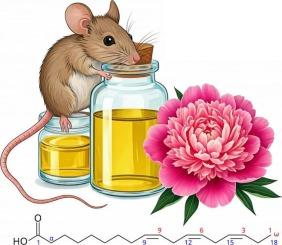
大豆油富含亚油酸,在降低血脂和胆固醇方面起着至关重要的作用,有助于预防心血管疾病。大豆中的卵磷脂含量对神经系统、血管和大脑的发育和生长也是必不可少的。菜籽油富含Omega-3多不饱和脂肪酸,有助于软化血管,预防动脉粥样硬化,对心脑血管健康都有好处。混合这些油可以产生协同效应,最大限度地提高其健康效益。此外,这三种油都应符合植物油国家标准GB 2716-2018。牡丹籽油富含不饱和脂肪酸,特别是α-亚麻酸,具有显著的降血糖作用。为了增强这些效果,将含有亚油酸和油酸等有益成分的大豆油和菜籽油与牡丹籽油混合。本研究旨在通过体外和体内实验,结合网络药理学和分子对接分析,评价这些精油的联合降糖潜能,探讨其作用机制。该研究为这种混合油在糖尿病管理中的潜在治疗用途提供了有价值的见解,为低血糖治疗提供了一种天然的替代方案。Zhao等人(2021),Suyun等人(2024)(Suyun等人,2024;赵等人,2021)。通过体外、体内实验,以及网络药理学和分子对接分析,评价牡丹籽油、大豆油、菜籽油及其混合物的降血糖作用。GC-MS分析鉴定出9种主要成分,包括γ-谷甾醇、α-亚麻酸和亚油酸(Journal of Food Biochemistry, 2020)。结果表明,牡丹籽油与大豆油和菜籽油的最佳配比为60:27:11,可显著抑制α-淀粉酶和α-葡萄糖苷酶活性。网络药理学和分子对接发现α-亚麻酸和亚油酸是主要通过PPAR和IL17信号通路靶向PPAR和MAPK3的关键活性化合物。这种多组分、多靶点和多途径的方法为糖尿病治疗提供了潜在的协同效益。该研究为新型降糖药的开发提供了有价值的见解(Yang, 2014 (Yang, 2014))。本研究通过体外和体内实验,结合网络药理学和分子对接分析,评价牡丹籽油、大豆油、菜籽油及其混合物的联合降糖作用。GC-MS分析鉴定出9种主要成分,包括γ-谷甾醇、α-亚麻酸和亚油酸(Zhao et al., 2021;苏云等,2024(苏云等,2024;Zhao et al., 2021)。牡丹籽油与大豆油和菜籽油的最佳配比为60:27:11,可显著抑制α-淀粉酶和α-葡萄糖苷酶活性。网络药理学和分子对接表明,α-亚麻酸和亚油酸是主要通过PPAR和IL17信号通路靶向PPAR和MAPK3的关键活性化合物(Journal Food Biochemistry, 2020)。这种多成分、多靶点和多途径的方法为糖尿病治疗提供了协同效益。该研究强调了这种混合油作为治疗糖尿病的天然替代品的潜力,为其治疗应用提供了宝贵的见解(Yang, 2014 (Yang, 2014))。
Active ingredients and mechanisms of peony seed blended oil in diabetes treatment using Kunming mice: Insights from GC–MS, network pharmacology, and experimental verification
Soybean oil, rich in linoleic acid, plays a crucial role in lowering blood lipids and cholesterol, which helps prevent cardiovascular diseases. The lecithin content in soybeans is also essential for the development and growth of the nervous system, blood vessels, and brain. Canola oil, with a higher level of Omega-3 polyunsaturated fatty acids, helps soften blood vessels and can prevent atherosclerosis, offering benefits for both cardiovascular and cerebrovascular health. Blending these oils can create a synergistic effect, maximizing their health benefits. Furthermore, all three oils should meet the national standard GB 2716–2018 for vegetable oils. Peony seed oil, high in unsaturated fatty acids, particularly α-linolenic acid, has shown significant hypoglycemic effects. To enhance these effects, soybean and canola oils, which contain beneficial components like linoleic acid and oleic acid, were blended with peony seed oil. This study aimed to evaluate the combined hypoglycemic potential of these oils through in vitro and in vivo experiments, supported by network pharmacology and molecular docking analyses to explore the underlying mechanisms. The research provides valuable insights into the potential therapeutic use of this blended oil in diabetes management, offering a natural alternative for hypoglycemic treatments. Zhao et al. (2021), Suyun et al. (2024) (Suyun et al., 2024; Zhao et al., 2021). In vitro and in vivo experiments, as well as network pharmacology and molecular docking analysis, were conducted to evaluate the hypoglycemic effects of peony seed oil, soybean oil, rapeseed oil, and their blends. GC–MS analysis identified nine major components, including γ-sitosterol, α-linolenic acid, and linoleic acid (Journal of Food Biochemistry, 2020). The results showed that the optimal blend ratio of peony seed oil to soybean and rapeseed oils was 60:27:11, which significantly inhibited α-amylase and α-glucosidase activities. Network pharmacology and molecular docking revealed that α-linolenic acid and linoleic acid are key active compounds, targeting PPARG and MAPK3, primarily through the PPAR and IL17 signaling pathways. This multi-component, multi-target, and multi-pathway approach offers potential synergistic benefits for diabetes treatment. The study provides valuable insights for the development of novel hypoglycemic agents (Yang, 2014 (Yang, 2014)).
The study evaluated the combined hypoglycemic effects of peony seed oil, soybean oil, rapeseed oil, and their blends through in vitro and in vivo experiments, supported by network pharmacology and molecular docking analyses. GC–MS analysis identified nine major components, including γ-sitosterol, α-linolenic acid, and linoleic acid (Zhao et al., 2021; Suyun et al., 2024 (Suyun et al., 2024; Zhao et al., 2021)). The optimal blend ratio of peony seed oil to soybean and rapeseed oils was found to be 60:27:11, which significantly inhibited α-amylase and α-glucosidase activities. Network pharmacology and molecular docking indicated that α-linolenic acid and linoleic acid are key active compounds, targeting PPARG and MAPK3, primarily through the PPAR and IL17 signaling pathways (Journal of Food Biochemistry, 2020). This multi-component, multi-target, and multi-pathway approach offers synergistic benefits for diabetes treatment. The research underscores the potential of this blended oil as a natural alternative in managing diabetes, providing valuable insights for its therapeutic application (Yang, 2014 (Yang, 2014)).
期刊介绍:
Journal of Functional Foods continues with the same aims and scope, editorial team, submission system and rigorous peer review. We give authors the possibility to publish their top-quality papers in a well-established leading journal in the food and nutrition fields. The Journal will keep its rigorous criteria to screen high impact research addressing relevant scientific topics and performed by sound methodologies.
The Journal of Functional Foods aims to bring together the results of fundamental and applied research into healthy foods and biologically active food ingredients.
The Journal is centered in the specific area at the boundaries among food technology, nutrition and health welcoming papers having a good interdisciplinary approach. The Journal will cover the fields of plant bioactives; dietary fibre, probiotics; functional lipids; bioactive peptides; vitamins, minerals and botanicals and other dietary supplements. Nutritional and technological aspects related to the development of functional foods and beverages are of core interest to the journal. Experimental works dealing with food digestion, bioavailability of food bioactives and on the mechanisms by which foods and their components are able to modulate physiological parameters connected with disease prevention are of particular interest as well as those dealing with personalized nutrition and nutritional needs in pathological subjects.




 京公网安备 11010802042870号
京ICP备2023020795号-1
京公网安备 11010802042870号
京ICP备2023020795号-1

 分享
分享
 求助内容:
求助内容: 应助结果提醒方式:
 扫码关注我们
