{"title":"2019年冠状病毒病确诊患者的血尿素氮白蛋白比值与住院死亡率之间的关系:一项回顾性队列研究。","authors":"Ruoqing Zhou, Dianzhu Pan","doi":"10.1186/s40001-025-02338-4","DOIUrl":null,"url":null,"abstract":"<p><strong>Background: </strong>The blood-urea-nitrogen-to-albumin ratio (BAR) is recognized as a novel prognostic indicator; however, there is a limited number of studies investigating the relationship between BAR and in-hospital mortality associated with coronavirus disease 2019 (COVID-19). Therefore, the present investigation aims to explore the correlation between BAR and in-hospital mortality in patients with COVID-19 in China.</p><p><strong>Methods: </strong>This retrospective observational study enrolled a cohort of 1027 patients diagnosed with COVID-19 between December 2022 and March 2023. Multivariate Cox regression analyses were used to ascertain the independent association between BAR and in-hospital mortality among patients with COVID-19. Furthermore, stratified analyses were used to investigate potential interaction effects with variables, such as age, sex, COVID-19 Severity, hypertension, coronary artery disease, and diabetes mellitus.</p><p><strong>Results: </strong>A total of 117 patients (11.4%) died from various causes during hospitalization. Subsequent to adjustment for confounding variables, patients in the highest BAR tertile exhibited an elevated risk for in-hospital mortality relative to those in the lowest tertile (hazard ratio [HR] 2.44 [95% confidence interval CI 1.24-4.79]) when BAR was treated as a categorical variable. When considering BAR as a continuous variable, a 6% increase in the prevalence of in-hospital mortality was observed for each 1-unit increase in BAR (adjusted HR 1.06 [95% CI 1.03-1.08]; P < 0.001). Stratified analyses revealed a consistent association between BAR and in-hospital mortality due to COVID-19.</p><p><strong>Conclusions: </strong>BAR exhibited a significant relationship with in-hospital mortality in patients with COVID-19, suggesting that a higher BAR is associated with a poorer prognosis. However, further research is required to confirm these findings.</p>","PeriodicalId":11949,"journal":{"name":"European Journal of Medical Research","volume":"30 1","pages":"78"},"PeriodicalIF":3.4000,"publicationDate":"2025-02-04","publicationTypes":"Journal Article","fieldsOfStudy":null,"isOpenAccess":false,"openAccessPdf":"https://www.ncbi.nlm.nih.gov/pmc/articles/PMC11792422/pdf/","citationCount":"0","resultStr":"{\"title\":\"Association between blood-urea-nitrogen-to-albumin ratio and in-hospital mortality in patients diagnosed with coronavirus disease 2019: a retrospective cohort study.\",\"authors\":\"Ruoqing Zhou, Dianzhu Pan\",\"doi\":\"10.1186/s40001-025-02338-4\",\"DOIUrl\":null,\"url\":null,\"abstract\":\"<p><strong>Background: </strong>The blood-urea-nitrogen-to-albumin ratio (BAR) is recognized as a novel prognostic indicator; however, there is a limited number of studies investigating the relationship between BAR and in-hospital mortality associated with coronavirus disease 2019 (COVID-19). Therefore, the present investigation aims to explore the correlation between BAR and in-hospital mortality in patients with COVID-19 in China.</p><p><strong>Methods: </strong>This retrospective observational study enrolled a cohort of 1027 patients diagnosed with COVID-19 between December 2022 and March 2023. Multivariate Cox regression analyses were used to ascertain the independent association between BAR and in-hospital mortality among patients with COVID-19. Furthermore, stratified analyses were used to investigate potential interaction effects with variables, such as age, sex, COVID-19 Severity, hypertension, coronary artery disease, and diabetes mellitus.</p><p><strong>Results: </strong>A total of 117 patients (11.4%) died from various causes during hospitalization. Subsequent to adjustment for confounding variables, patients in the highest BAR tertile exhibited an elevated risk for in-hospital mortality relative to those in the lowest tertile (hazard ratio [HR] 2.44 [95% confidence interval CI 1.24-4.79]) when BAR was treated as a categorical variable. When considering BAR as a continuous variable, a 6% increase in the prevalence of in-hospital mortality was observed for each 1-unit increase in BAR (adjusted HR 1.06 [95% CI 1.03-1.08]; P < 0.001). Stratified analyses revealed a consistent association between BAR and in-hospital mortality due to COVID-19.</p><p><strong>Conclusions: </strong>BAR exhibited a significant relationship with in-hospital mortality in patients with COVID-19, suggesting that a higher BAR is associated with a poorer prognosis. However, further research is required to confirm these findings.</p>\",\"PeriodicalId\":11949,\"journal\":{\"name\":\"European Journal of Medical Research\",\"volume\":\"30 1\",\"pages\":\"78\"},\"PeriodicalIF\":3.4000,\"publicationDate\":\"2025-02-04\",\"publicationTypes\":\"Journal Article\",\"fieldsOfStudy\":null,\"isOpenAccess\":false,\"openAccessPdf\":\"https://www.ncbi.nlm.nih.gov/pmc/articles/PMC11792422/pdf/\",\"citationCount\":\"0\",\"resultStr\":null,\"platform\":\"Semanticscholar\",\"paperid\":null,\"PeriodicalName\":\"European Journal of Medical Research\",\"FirstCategoryId\":\"3\",\"ListUrlMain\":\"https://doi.org/10.1186/s40001-025-02338-4\",\"RegionNum\":3,\"RegionCategory\":\"医学\",\"ArticlePicture\":[],\"TitleCN\":null,\"AbstractTextCN\":null,\"PMCID\":null,\"EPubDate\":\"\",\"PubModel\":\"\",\"JCR\":\"Q2\",\"JCRName\":\"MEDICINE, RESEARCH & EXPERIMENTAL\",\"Score\":null,\"Total\":0}","platform":"Semanticscholar","paperid":null,"PeriodicalName":"European Journal of Medical Research","FirstCategoryId":"3","ListUrlMain":"https://doi.org/10.1186/s40001-025-02338-4","RegionNum":3,"RegionCategory":"医学","ArticlePicture":[],"TitleCN":null,"AbstractTextCN":null,"PMCID":null,"EPubDate":"","PubModel":"","JCR":"Q2","JCRName":"MEDICINE, RESEARCH & EXPERIMENTAL","Score":null,"Total":0}
引用次数: 0
摘要
背景:血尿素氮白蛋白比(BAR)被认为是一种新的预后指标;然而,调查BAR与2019冠状病毒病(COVID-19)相关的住院死亡率之间关系的研究数量有限。因此,本研究旨在探讨中国COVID-19患者BAR与住院死亡率的相关性。方法:这项回顾性观察性研究纳入了2022年12月至2023年3月期间诊断为COVID-19的1027例患者。采用多变量Cox回归分析确定BAR与COVID-19患者住院死亡率之间的独立关联。此外,分层分析用于调查年龄、性别、COVID-19严重程度、高血压、冠状动脉疾病和糖尿病等变量的潜在相互作用效应。结果:117例患者在住院期间因各种原因死亡,占11.4%。校正混杂变量后,当BAR作为分类变量处理时,BAR最高分位的患者相对于BAR最低分位的患者表现出更高的住院死亡风险(风险比[HR] 2.44[95%置信区间CI 1.24-4.79])。当将BAR作为一个连续变量考虑时,BAR每增加1个单位,住院死亡率增加6%(校正风险比1.06 [95% CI 1.03-1.08];结论:BAR与COVID-19患者住院死亡率有显著关系,提示BAR越高预后越差。然而,需要进一步的研究来证实这些发现。
Association between blood-urea-nitrogen-to-albumin ratio and in-hospital mortality in patients diagnosed with coronavirus disease 2019: a retrospective cohort study.
Background: The blood-urea-nitrogen-to-albumin ratio (BAR) is recognized as a novel prognostic indicator; however, there is a limited number of studies investigating the relationship between BAR and in-hospital mortality associated with coronavirus disease 2019 (COVID-19). Therefore, the present investigation aims to explore the correlation between BAR and in-hospital mortality in patients with COVID-19 in China.
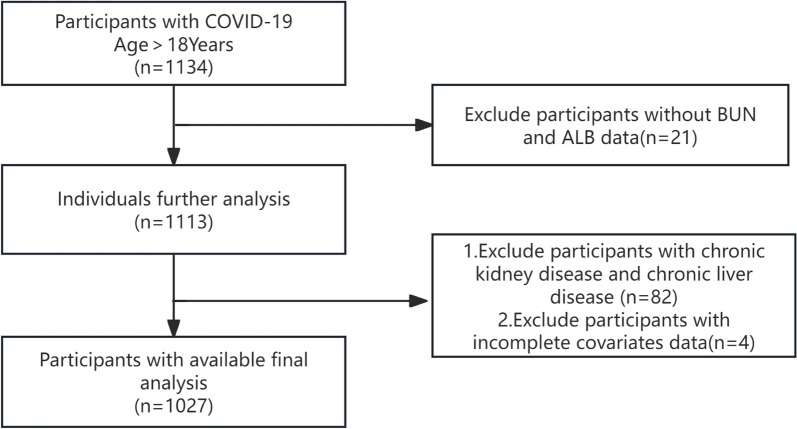
Methods: This retrospective observational study enrolled a cohort of 1027 patients diagnosed with COVID-19 between December 2022 and March 2023. Multivariate Cox regression analyses were used to ascertain the independent association between BAR and in-hospital mortality among patients with COVID-19. Furthermore, stratified analyses were used to investigate potential interaction effects with variables, such as age, sex, COVID-19 Severity, hypertension, coronary artery disease, and diabetes mellitus.
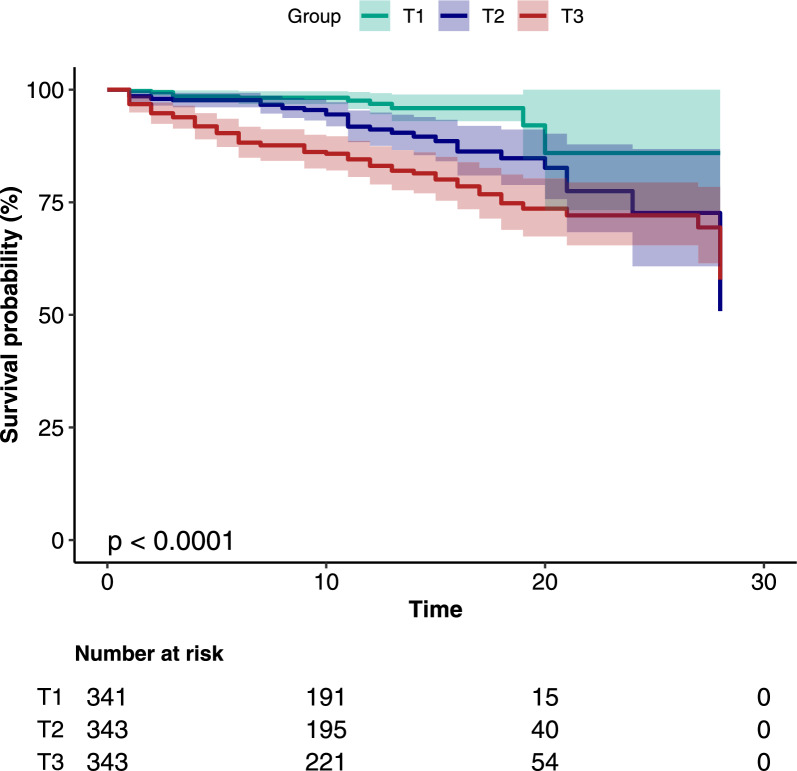
Results: A total of 117 patients (11.4%) died from various causes during hospitalization. Subsequent to adjustment for confounding variables, patients in the highest BAR tertile exhibited an elevated risk for in-hospital mortality relative to those in the lowest tertile (hazard ratio [HR] 2.44 [95% confidence interval CI 1.24-4.79]) when BAR was treated as a categorical variable. When considering BAR as a continuous variable, a 6% increase in the prevalence of in-hospital mortality was observed for each 1-unit increase in BAR (adjusted HR 1.06 [95% CI 1.03-1.08]; P < 0.001). Stratified analyses revealed a consistent association between BAR and in-hospital mortality due to COVID-19.
Conclusions: BAR exhibited a significant relationship with in-hospital mortality in patients with COVID-19, suggesting that a higher BAR is associated with a poorer prognosis. However, further research is required to confirm these findings.
期刊介绍:
European Journal of Medical Research publishes translational and clinical research of international interest across all medical disciplines, enabling clinicians and other researchers to learn about developments and innovations within these disciplines and across the boundaries between disciplines. The journal publishes high quality research and reviews and aims to ensure that the results of all well-conducted research are published, regardless of their outcome.




 京公网安备 11010802042870号
京ICP备2023020795号-1
京公网安备 11010802042870号
京ICP备2023020795号-1

 分享
分享
 求助内容:
求助内容: 应助结果提醒方式:
 扫码关注我们
