{"title":"对COVID-19死亡人数的预测表明,引发反事实思维会降低判断能力。","authors":"Matthias Seifert, Jeeva Somasundaram","doi":"10.1038/s43856-025-00751-8","DOIUrl":null,"url":null,"abstract":"<p><strong>Background: </strong>Effective communication during a health crisis is critical as it directly influences psychological and behavioral responses that will shape the further progression of the crisis. Past research has suggested that one type of cognitive mechanism that is likely to be affected by the framing of public health messages relates to counterfactual thinking.</p><p><strong>Methods: </strong>Based on 6731 incentivized daily forecasts collected over 377 days (from April 2020-May 2021), we investigate the role of triggering counterfactual thinking when interpreting public information regarding the daily US death toll from COVID-19.</p><p><strong>Results: </strong>Here we show that individuals who engaged in thinking about \"interventions that could have led to an alternative evolution of the death toll\" prior to making forecasts exhibit greater judgmental bias in their predictions compared to the control group. Specifically, subjects in the treatment group tend to generate upward counterfactuals and underestimate the death toll, potentially due to anchoring on more favorable scenarios and insensitivity to trend changes. Interestingly, this behavior is also observed among individuals who had recovered from COVID-19 (or someone in their close social circle).</p><p><strong>Conclusions: </strong>Our findings underscore the importance of using debiasing strategies and neutral communication during health crises to mitigate the generation of upward counterfactuals, thus reducing the likelihood of systematic misperceptions and flawed decision-making.</p>","PeriodicalId":72646,"journal":{"name":"Communications medicine","volume":"5 1","pages":"35"},"PeriodicalIF":7.4000,"publicationDate":"2025-02-04","publicationTypes":"Journal Article","fieldsOfStudy":null,"isOpenAccess":false,"openAccessPdf":"https://www.ncbi.nlm.nih.gov/pmc/articles/PMC11794638/pdf/","citationCount":"0","resultStr":"{\"title\":\"COVID-19 death toll predictions show that triggering counterfactual thinking deteriorates judgmental performance.\",\"authors\":\"Matthias Seifert, Jeeva Somasundaram\",\"doi\":\"10.1038/s43856-025-00751-8\",\"DOIUrl\":null,\"url\":null,\"abstract\":\"<p><strong>Background: </strong>Effective communication during a health crisis is critical as it directly influences psychological and behavioral responses that will shape the further progression of the crisis. Past research has suggested that one type of cognitive mechanism that is likely to be affected by the framing of public health messages relates to counterfactual thinking.</p><p><strong>Methods: </strong>Based on 6731 incentivized daily forecasts collected over 377 days (from April 2020-May 2021), we investigate the role of triggering counterfactual thinking when interpreting public information regarding the daily US death toll from COVID-19.</p><p><strong>Results: </strong>Here we show that individuals who engaged in thinking about \\\"interventions that could have led to an alternative evolution of the death toll\\\" prior to making forecasts exhibit greater judgmental bias in their predictions compared to the control group. Specifically, subjects in the treatment group tend to generate upward counterfactuals and underestimate the death toll, potentially due to anchoring on more favorable scenarios and insensitivity to trend changes. Interestingly, this behavior is also observed among individuals who had recovered from COVID-19 (or someone in their close social circle).</p><p><strong>Conclusions: </strong>Our findings underscore the importance of using debiasing strategies and neutral communication during health crises to mitigate the generation of upward counterfactuals, thus reducing the likelihood of systematic misperceptions and flawed decision-making.</p>\",\"PeriodicalId\":72646,\"journal\":{\"name\":\"Communications medicine\",\"volume\":\"5 1\",\"pages\":\"35\"},\"PeriodicalIF\":7.4000,\"publicationDate\":\"2025-02-04\",\"publicationTypes\":\"Journal Article\",\"fieldsOfStudy\":null,\"isOpenAccess\":false,\"openAccessPdf\":\"https://www.ncbi.nlm.nih.gov/pmc/articles/PMC11794638/pdf/\",\"citationCount\":\"0\",\"resultStr\":null,\"platform\":\"Semanticscholar\",\"paperid\":null,\"PeriodicalName\":\"Communications medicine\",\"FirstCategoryId\":\"1085\",\"ListUrlMain\":\"https://doi.org/10.1038/s43856-025-00751-8\",\"RegionNum\":0,\"RegionCategory\":null,\"ArticlePicture\":[],\"TitleCN\":null,\"AbstractTextCN\":null,\"PMCID\":null,\"EPubDate\":\"\",\"PubModel\":\"\",\"JCR\":\"Q1\",\"JCRName\":\"MEDICINE, RESEARCH & EXPERIMENTAL\",\"Score\":null,\"Total\":0}","platform":"Semanticscholar","paperid":null,"PeriodicalName":"Communications medicine","FirstCategoryId":"1085","ListUrlMain":"https://doi.org/10.1038/s43856-025-00751-8","RegionNum":0,"RegionCategory":null,"ArticlePicture":[],"TitleCN":null,"AbstractTextCN":null,"PMCID":null,"EPubDate":"","PubModel":"","JCR":"Q1","JCRName":"MEDICINE, RESEARCH & EXPERIMENTAL","Score":null,"Total":0}
COVID-19 death toll predictions show that triggering counterfactual thinking deteriorates judgmental performance.
Background: Effective communication during a health crisis is critical as it directly influences psychological and behavioral responses that will shape the further progression of the crisis. Past research has suggested that one type of cognitive mechanism that is likely to be affected by the framing of public health messages relates to counterfactual thinking.
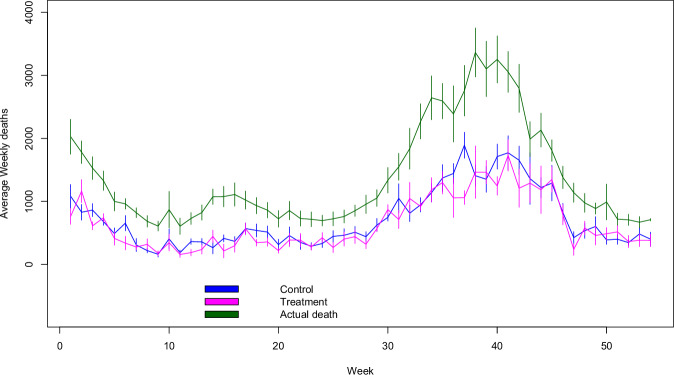
Methods: Based on 6731 incentivized daily forecasts collected over 377 days (from April 2020-May 2021), we investigate the role of triggering counterfactual thinking when interpreting public information regarding the daily US death toll from COVID-19.
Results: Here we show that individuals who engaged in thinking about "interventions that could have led to an alternative evolution of the death toll" prior to making forecasts exhibit greater judgmental bias in their predictions compared to the control group. Specifically, subjects in the treatment group tend to generate upward counterfactuals and underestimate the death toll, potentially due to anchoring on more favorable scenarios and insensitivity to trend changes. Interestingly, this behavior is also observed among individuals who had recovered from COVID-19 (or someone in their close social circle).
Conclusions: Our findings underscore the importance of using debiasing strategies and neutral communication during health crises to mitigate the generation of upward counterfactuals, thus reducing the likelihood of systematic misperceptions and flawed decision-making.






 京公网安备 11010802042870号
京ICP备2023020795号-1
京公网安备 11010802042870号
京ICP备2023020795号-1

 分享
分享

 求助内容:
求助内容: 应助结果提醒方式:
 扫码关注我们
