Shahzad Ahmed, Arshiya Ansari, Bibekananda De, Subrata Mukherjee, Devendra Singh Negi and Pranay Ranjan
{"title":"基于硼罗芬/PPy@ITO杂合物的电化学生物电子舌的选择性咖啡因鉴定","authors":"Shahzad Ahmed, Arshiya Ansari, Bibekananda De, Subrata Mukherjee, Devendra Singh Negi and Pranay Ranjan","doi":"10.1039/D4AN01547A","DOIUrl":null,"url":null,"abstract":"<p >Caffeine is a natural stimulant found in various plants. Some individuals are particularly sensitive to caffeine and may experience adverse effects even with minimal intake. In order to address the potential health risks associated with high caffeine use, it is imperative to establish a precise, straightforward, efficient, and cost-efficient approach for measuring caffeine levels in regularly consumed items. This article explores electrochemical techniques for monitoring bitterness induced by caffeine. The fabricated bio-electronic tongue (Bio-ET) comprised a modified electrode made of borophene/PPy@ITO, created by electropolymerizing polypyrrole (PPy) onto indium tin oxide (ITO) and subsequently decorating it with borophene sheets. Cyclic voltammetry (CV) was used to investigate the electrochemical characteristics of caffeine on borophene/PPy@ITO. The findings revealed that the Bio-ET exhibited strong electro-oxidation and reduction activity towards caffeine, indicated by the presence of distinct redox peaks. The Bio-ET demonstrated a linear range from 0.5 to 700 μM with a limit of detection (LOD) of 0.177 μM. The Bio-ET electrode was successfully employed for caffeine quantification in real samples, including coffee, black tea, and regular tea, yielding excellent electrocatalytic performance. Furthermore, the potential of the Bio-ET system could lead to the development of portable, user-friendly devices for on-site analysis, facilitating rapid testing in various settings, such as beverages and pharmaceuticals, and presenting a promising direction for both research and commercial applications.</p>","PeriodicalId":63,"journal":{"name":"Analyst","volume":" 5","pages":" 962-974"},"PeriodicalIF":3.6000,"publicationDate":"2025-02-07","publicationTypes":"Journal Article","fieldsOfStudy":null,"isOpenAccess":false,"openAccessPdf":"","citationCount":"0","resultStr":"{\"title\":\"An electrochemical bio-electronic tongue based on borophene/PPy@ITO hybrid for selective caffeine identification†\",\"authors\":\"Shahzad Ahmed, Arshiya Ansari, Bibekananda De, Subrata Mukherjee, Devendra Singh Negi and Pranay Ranjan\",\"doi\":\"10.1039/D4AN01547A\",\"DOIUrl\":null,\"url\":null,\"abstract\":\"<p >Caffeine is a natural stimulant found in various plants. Some individuals are particularly sensitive to caffeine and may experience adverse effects even with minimal intake. In order to address the potential health risks associated with high caffeine use, it is imperative to establish a precise, straightforward, efficient, and cost-efficient approach for measuring caffeine levels in regularly consumed items. This article explores electrochemical techniques for monitoring bitterness induced by caffeine. The fabricated bio-electronic tongue (Bio-ET) comprised a modified electrode made of borophene/PPy@ITO, created by electropolymerizing polypyrrole (PPy) onto indium tin oxide (ITO) and subsequently decorating it with borophene sheets. Cyclic voltammetry (CV) was used to investigate the electrochemical characteristics of caffeine on borophene/PPy@ITO. The findings revealed that the Bio-ET exhibited strong electro-oxidation and reduction activity towards caffeine, indicated by the presence of distinct redox peaks. The Bio-ET demonstrated a linear range from 0.5 to 700 μM with a limit of detection (LOD) of 0.177 μM. The Bio-ET electrode was successfully employed for caffeine quantification in real samples, including coffee, black tea, and regular tea, yielding excellent electrocatalytic performance. Furthermore, the potential of the Bio-ET system could lead to the development of portable, user-friendly devices for on-site analysis, facilitating rapid testing in various settings, such as beverages and pharmaceuticals, and presenting a promising direction for both research and commercial applications.</p>\",\"PeriodicalId\":63,\"journal\":{\"name\":\"Analyst\",\"volume\":\" 5\",\"pages\":\" 962-974\"},\"PeriodicalIF\":3.6000,\"publicationDate\":\"2025-02-07\",\"publicationTypes\":\"Journal Article\",\"fieldsOfStudy\":null,\"isOpenAccess\":false,\"openAccessPdf\":\"\",\"citationCount\":\"0\",\"resultStr\":null,\"platform\":\"Semanticscholar\",\"paperid\":null,\"PeriodicalName\":\"Analyst\",\"FirstCategoryId\":\"92\",\"ListUrlMain\":\"https://pubs.rsc.org/en/content/articlelanding/2025/an/d4an01547a\",\"RegionNum\":3,\"RegionCategory\":\"化学\",\"ArticlePicture\":[],\"TitleCN\":null,\"AbstractTextCN\":null,\"PMCID\":null,\"EPubDate\":\"\",\"PubModel\":\"\",\"JCR\":\"Q2\",\"JCRName\":\"CHEMISTRY, ANALYTICAL\",\"Score\":null,\"Total\":0}","platform":"Semanticscholar","paperid":null,"PeriodicalName":"Analyst","FirstCategoryId":"92","ListUrlMain":"https://pubs.rsc.org/en/content/articlelanding/2025/an/d4an01547a","RegionNum":3,"RegionCategory":"化学","ArticlePicture":[],"TitleCN":null,"AbstractTextCN":null,"PMCID":null,"EPubDate":"","PubModel":"","JCR":"Q2","JCRName":"CHEMISTRY, ANALYTICAL","Score":null,"Total":0}
An electrochemical bio-electronic tongue based on borophene/PPy@ITO hybrid for selective caffeine identification†
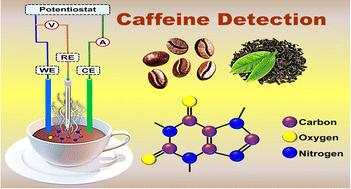
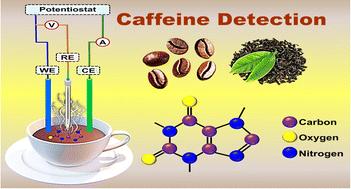
Caffeine is a natural stimulant found in various plants. Some individuals are particularly sensitive to caffeine and may experience adverse effects even with minimal intake. In order to address the potential health risks associated with high caffeine use, it is imperative to establish a precise, straightforward, efficient, and cost-efficient approach for measuring caffeine levels in regularly consumed items. This article explores electrochemical techniques for monitoring bitterness induced by caffeine. The fabricated bio-electronic tongue (Bio-ET) comprised a modified electrode made of borophene/PPy@ITO, created by electropolymerizing polypyrrole (PPy) onto indium tin oxide (ITO) and subsequently decorating it with borophene sheets. Cyclic voltammetry (CV) was used to investigate the electrochemical characteristics of caffeine on borophene/PPy@ITO. The findings revealed that the Bio-ET exhibited strong electro-oxidation and reduction activity towards caffeine, indicated by the presence of distinct redox peaks. The Bio-ET demonstrated a linear range from 0.5 to 700 μM with a limit of detection (LOD) of 0.177 μM. The Bio-ET electrode was successfully employed for caffeine quantification in real samples, including coffee, black tea, and regular tea, yielding excellent electrocatalytic performance. Furthermore, the potential of the Bio-ET system could lead to the development of portable, user-friendly devices for on-site analysis, facilitating rapid testing in various settings, such as beverages and pharmaceuticals, and presenting a promising direction for both research and commercial applications.




 京公网安备 11010802042870号
京ICP备2023020795号-1
京公网安备 11010802042870号
京ICP备2023020795号-1

 分享
分享
 求助内容:
求助内容: 应助结果提醒方式:
 扫码关注我们
