Dr. Arash Yoosefdoost, Omid Jazani, Prof. Dr. Simona Liguori, Dr. Anindita Das, Prof. Dr. Rafael M. Santos
{"title":"沼气负碳制甲醇:强化膜反应器","authors":"Dr. Arash Yoosefdoost, Omid Jazani, Prof. Dr. Simona Liguori, Dr. Anindita Das, Prof. Dr. Rafael M. Santos","doi":"10.1002/cctc.202400698","DOIUrl":null,"url":null,"abstract":"<p>The modern world's major challenges, such as global warming, air pollution, and increasing energy demands, escalate the importance of sustainable development and transition toward renewables using innovative and environmentally friendly solutions, such as intensifying chemical processes, to reduce carbon footprints effectively. Aiming to enhance the process toward negative carbon emissions, this perspective explores the intensified membrane reactors for reducing the energy intensity of converting biogas into methanol, a versatile chemical feedstock, and renewable liquid fuel. Syngas and methanol synthesis processes, catalysts, and membranes were explored, and novel reactor designs were proposed. Introduction of selective membranes into the catalytic reaction zone to combine synthesis separation steps could enhance the system efficiency and intensify the process by recycling energy and materials, besides reducing costs and required energy for the separation process: the continuous harnessing of products shifts reactions toward desired species while recycling energy and materials enhances the process efficiency, and separating water from methanol reduces the required energy and costs of extra processes for methanol separation. The successful implementation of this technology holds significant promise for sustainable developments in producing chemicals and renewable fuel from renewable biogas and reducing methane and carbon dioxide emissions toward achieving carbon-negative technologies.</p>","PeriodicalId":141,"journal":{"name":"ChemCatChem","volume":"17 3","pages":""},"PeriodicalIF":3.9000,"publicationDate":"2024-11-06","publicationTypes":"Journal Article","fieldsOfStudy":null,"isOpenAccess":false,"openAccessPdf":"https://onlinelibrary.wiley.com/doi/epdf/10.1002/cctc.202400698","citationCount":"0","resultStr":"{\"title\":\"Toward Carbon-Negative Methanol Production from Biogas: Intensified Membrane Reactor\",\"authors\":\"Dr. Arash Yoosefdoost, Omid Jazani, Prof. Dr. Simona Liguori, Dr. Anindita Das, Prof. Dr. Rafael M. Santos\",\"doi\":\"10.1002/cctc.202400698\",\"DOIUrl\":null,\"url\":null,\"abstract\":\"<p>The modern world's major challenges, such as global warming, air pollution, and increasing energy demands, escalate the importance of sustainable development and transition toward renewables using innovative and environmentally friendly solutions, such as intensifying chemical processes, to reduce carbon footprints effectively. Aiming to enhance the process toward negative carbon emissions, this perspective explores the intensified membrane reactors for reducing the energy intensity of converting biogas into methanol, a versatile chemical feedstock, and renewable liquid fuel. Syngas and methanol synthesis processes, catalysts, and membranes were explored, and novel reactor designs were proposed. Introduction of selective membranes into the catalytic reaction zone to combine synthesis separation steps could enhance the system efficiency and intensify the process by recycling energy and materials, besides reducing costs and required energy for the separation process: the continuous harnessing of products shifts reactions toward desired species while recycling energy and materials enhances the process efficiency, and separating water from methanol reduces the required energy and costs of extra processes for methanol separation. The successful implementation of this technology holds significant promise for sustainable developments in producing chemicals and renewable fuel from renewable biogas and reducing methane and carbon dioxide emissions toward achieving carbon-negative technologies.</p>\",\"PeriodicalId\":141,\"journal\":{\"name\":\"ChemCatChem\",\"volume\":\"17 3\",\"pages\":\"\"},\"PeriodicalIF\":3.9000,\"publicationDate\":\"2024-11-06\",\"publicationTypes\":\"Journal Article\",\"fieldsOfStudy\":null,\"isOpenAccess\":false,\"openAccessPdf\":\"https://onlinelibrary.wiley.com/doi/epdf/10.1002/cctc.202400698\",\"citationCount\":\"0\",\"resultStr\":null,\"platform\":\"Semanticscholar\",\"paperid\":null,\"PeriodicalName\":\"ChemCatChem\",\"FirstCategoryId\":\"92\",\"ListUrlMain\":\"https://chemistry-europe.onlinelibrary.wiley.com/doi/10.1002/cctc.202400698\",\"RegionNum\":3,\"RegionCategory\":\"化学\",\"ArticlePicture\":[],\"TitleCN\":null,\"AbstractTextCN\":null,\"PMCID\":null,\"EPubDate\":\"\",\"PubModel\":\"\",\"JCR\":\"Q2\",\"JCRName\":\"CHEMISTRY, PHYSICAL\",\"Score\":null,\"Total\":0}","platform":"Semanticscholar","paperid":null,"PeriodicalName":"ChemCatChem","FirstCategoryId":"92","ListUrlMain":"https://chemistry-europe.onlinelibrary.wiley.com/doi/10.1002/cctc.202400698","RegionNum":3,"RegionCategory":"化学","ArticlePicture":[],"TitleCN":null,"AbstractTextCN":null,"PMCID":null,"EPubDate":"","PubModel":"","JCR":"Q2","JCRName":"CHEMISTRY, PHYSICAL","Score":null,"Total":0}
Toward Carbon-Negative Methanol Production from Biogas: Intensified Membrane Reactor
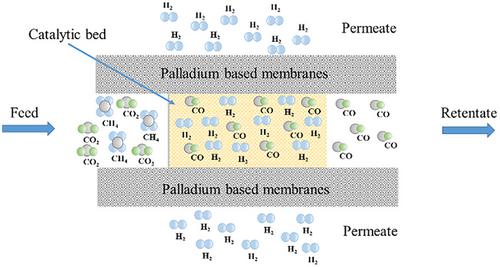
The modern world's major challenges, such as global warming, air pollution, and increasing energy demands, escalate the importance of sustainable development and transition toward renewables using innovative and environmentally friendly solutions, such as intensifying chemical processes, to reduce carbon footprints effectively. Aiming to enhance the process toward negative carbon emissions, this perspective explores the intensified membrane reactors for reducing the energy intensity of converting biogas into methanol, a versatile chemical feedstock, and renewable liquid fuel. Syngas and methanol synthesis processes, catalysts, and membranes were explored, and novel reactor designs were proposed. Introduction of selective membranes into the catalytic reaction zone to combine synthesis separation steps could enhance the system efficiency and intensify the process by recycling energy and materials, besides reducing costs and required energy for the separation process: the continuous harnessing of products shifts reactions toward desired species while recycling energy and materials enhances the process efficiency, and separating water from methanol reduces the required energy and costs of extra processes for methanol separation. The successful implementation of this technology holds significant promise for sustainable developments in producing chemicals and renewable fuel from renewable biogas and reducing methane and carbon dioxide emissions toward achieving carbon-negative technologies.
期刊介绍:
With an impact factor of 4.495 (2018), ChemCatChem is one of the premier journals in the field of catalysis. The journal provides primary research papers and critical secondary information on heterogeneous, homogeneous and bio- and nanocatalysis. The journal is well placed to strengthen cross-communication within between these communities. Its authors and readers come from academia, the chemical industry, and government laboratories across the world. It is published on behalf of Chemistry Europe, an association of 16 European chemical societies, and is supported by the German Catalysis Society.







 京公网安备 11010802042870号
京ICP备2023020795号-1
京公网安备 11010802042870号
京ICP备2023020795号-1

 分享
分享
 求助内容:
求助内容: 应助结果提醒方式:
 扫码关注我们
