Norshazliza Ab Ghani, Sathiya Maran, Mohammed Rafiq Abdul Kadir, Shanmathy Somasundaram, Hanumantha Rao Balaji Raghavendran, Tunku Kamarul Zaman
{"title":"增强骨移植物:揭示用于高级骨修复的聚乳酸- co -乙醇酸-钙复合材料的降解行为。","authors":"Norshazliza Ab Ghani, Sathiya Maran, Mohammed Rafiq Abdul Kadir, Shanmathy Somasundaram, Hanumantha Rao Balaji Raghavendran, Tunku Kamarul Zaman","doi":"10.1080/09205063.2025.2460370","DOIUrl":null,"url":null,"abstract":"<p><p>In orthopaedic clinical applications, creating biocomposite bone substitutes to take the place of autologous bone transplants is still difficult. Studies have demonstrated for decades that poly (lactic-co-glycolic acid) [PLGA], a common polymer, has many benefits that make it a strong contender for bone replacement. These include biodegradability, good mechanical qualities, and the ability to induce new bone production. Although calcium-based materials are frequently used as bone fillers in bone implantation, the efficiency of ceramic materials containing calcium may be hampered by a number of issues, including low microporosity and quick rates of degradation. In order to overcome these obstacles, scientists are investigating ways to improve implant performance by combining PLGA with other materials, especially in terms of encouraging improved connections with nearby bone cells. An overview of the chemical properties of different PLGA-based scaffold composites, as well as the benefits and drawbacks of PLGA-Calcium implants in tissue engineering applications, are the goals of this review. It also highlights the possible advantages and consequences of using PLGA in 3D printing technology to improve bone tissue engineering clinical outcomes.</p>","PeriodicalId":15195,"journal":{"name":"Journal of Biomaterials Science, Polymer Edition","volume":" ","pages":"1611-1637"},"PeriodicalIF":3.6000,"publicationDate":"2025-08-01","publicationTypes":"Journal Article","fieldsOfStudy":null,"isOpenAccess":false,"openAccessPdf":"","citationCount":"0","resultStr":"{\"title\":\"Enhancing Bone Grafts: Unveiling the Degradation Behaviour of Poly (lactic‑co‑glycolic acid) ‑ Calcium Composites for Advanced Bone Repair.\",\"authors\":\"Norshazliza Ab Ghani, Sathiya Maran, Mohammed Rafiq Abdul Kadir, Shanmathy Somasundaram, Hanumantha Rao Balaji Raghavendran, Tunku Kamarul Zaman\",\"doi\":\"10.1080/09205063.2025.2460370\",\"DOIUrl\":null,\"url\":null,\"abstract\":\"<p><p>In orthopaedic clinical applications, creating biocomposite bone substitutes to take the place of autologous bone transplants is still difficult. Studies have demonstrated for decades that poly (lactic-co-glycolic acid) [PLGA], a common polymer, has many benefits that make it a strong contender for bone replacement. These include biodegradability, good mechanical qualities, and the ability to induce new bone production. Although calcium-based materials are frequently used as bone fillers in bone implantation, the efficiency of ceramic materials containing calcium may be hampered by a number of issues, including low microporosity and quick rates of degradation. In order to overcome these obstacles, scientists are investigating ways to improve implant performance by combining PLGA with other materials, especially in terms of encouraging improved connections with nearby bone cells. An overview of the chemical properties of different PLGA-based scaffold composites, as well as the benefits and drawbacks of PLGA-Calcium implants in tissue engineering applications, are the goals of this review. It also highlights the possible advantages and consequences of using PLGA in 3D printing technology to improve bone tissue engineering clinical outcomes.</p>\",\"PeriodicalId\":15195,\"journal\":{\"name\":\"Journal of Biomaterials Science, Polymer Edition\",\"volume\":\" \",\"pages\":\"1611-1637\"},\"PeriodicalIF\":3.6000,\"publicationDate\":\"2025-08-01\",\"publicationTypes\":\"Journal Article\",\"fieldsOfStudy\":null,\"isOpenAccess\":false,\"openAccessPdf\":\"\",\"citationCount\":\"0\",\"resultStr\":null,\"platform\":\"Semanticscholar\",\"paperid\":null,\"PeriodicalName\":\"Journal of Biomaterials Science, Polymer Edition\",\"FirstCategoryId\":\"5\",\"ListUrlMain\":\"https://doi.org/10.1080/09205063.2025.2460370\",\"RegionNum\":4,\"RegionCategory\":\"医学\",\"ArticlePicture\":[],\"TitleCN\":null,\"AbstractTextCN\":null,\"PMCID\":null,\"EPubDate\":\"2025/2/7 0:00:00\",\"PubModel\":\"Epub\",\"JCR\":\"Q2\",\"JCRName\":\"ENGINEERING, BIOMEDICAL\",\"Score\":null,\"Total\":0}","platform":"Semanticscholar","paperid":null,"PeriodicalName":"Journal of Biomaterials Science, Polymer Edition","FirstCategoryId":"5","ListUrlMain":"https://doi.org/10.1080/09205063.2025.2460370","RegionNum":4,"RegionCategory":"医学","ArticlePicture":[],"TitleCN":null,"AbstractTextCN":null,"PMCID":null,"EPubDate":"2025/2/7 0:00:00","PubModel":"Epub","JCR":"Q2","JCRName":"ENGINEERING, BIOMEDICAL","Score":null,"Total":0}
Enhancing Bone Grafts: Unveiling the Degradation Behaviour of Poly (lactic‑co‑glycolic acid) ‑ Calcium Composites for Advanced Bone Repair.
In orthopaedic clinical applications, creating biocomposite bone substitutes to take the place of autologous bone transplants is still difficult. Studies have demonstrated for decades that poly (lactic-co-glycolic acid) [PLGA], a common polymer, has many benefits that make it a strong contender for bone replacement. These include biodegradability, good mechanical qualities, and the ability to induce new bone production. Although calcium-based materials are frequently used as bone fillers in bone implantation, the efficiency of ceramic materials containing calcium may be hampered by a number of issues, including low microporosity and quick rates of degradation. In order to overcome these obstacles, scientists are investigating ways to improve implant performance by combining PLGA with other materials, especially in terms of encouraging improved connections with nearby bone cells. An overview of the chemical properties of different PLGA-based scaffold composites, as well as the benefits and drawbacks of PLGA-Calcium implants in tissue engineering applications, are the goals of this review. It also highlights the possible advantages and consequences of using PLGA in 3D printing technology to improve bone tissue engineering clinical outcomes.
期刊介绍:
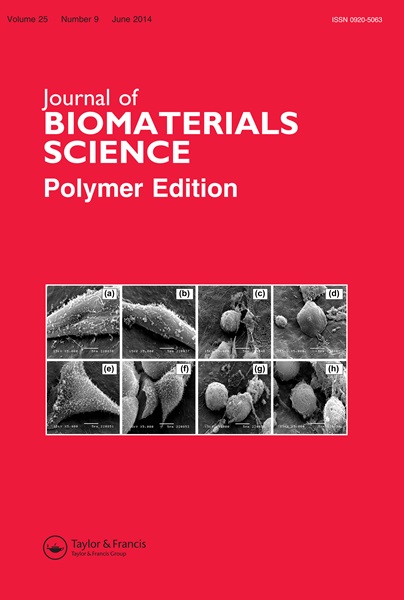
The Journal of Biomaterials Science, Polymer Edition publishes fundamental research on the properties of polymeric biomaterials and the mechanisms of interaction between such biomaterials and living organisms, with special emphasis on the molecular and cellular levels.
The scope of the journal includes polymers for drug delivery, tissue engineering, large molecules in living organisms like DNA, proteins and more. As such, the Journal of Biomaterials Science, Polymer Edition combines biomaterials applications in biomedical, pharmaceutical and biological fields.




 京公网安备 11010802042870号
京ICP备2023020795号-1
京公网安备 11010802042870号
京ICP备2023020795号-1

 分享
分享
 求助内容:
求助内容: 应助结果提醒方式:
 扫码关注我们
