Jaclyn A Lisnek, Jazmin L Brown-Iannuzzi, Gabrielle S Adams
{"title":"调查结构性种族主义对歧视行为的解释对加害者判断的影响。","authors":"Jaclyn A Lisnek, Jazmin L Brown-Iannuzzi, Gabrielle S Adams","doi":"10.1037/pspa0000440","DOIUrl":null,"url":null,"abstract":"<p><p>Structural racism has become a household term used in the media and in everyday conversations around diversity, equity, and inclusion initiatives. Despite increased discussion of structural racism, people often struggle to understand how structural racism is perpetuated by individuals. We integrate research on moral psychology, social cognition, and intergroup relations to investigate whether structural explanations can lead to reduced perceptions of responsibility and punishment for managers who engage in discriminatory hiring decisions. A field study of health care system employees who perceived discriminatory hiring as originating from structural factors (vs. individual factors) were less likely to hold the hiring manager accountable (Study 1). Explaining discriminatory hiring to participants as due to structural factors (vs. a no-information control condition; Studies 2a, 2b, 2c, and 3) decreased desires to hold the hiring manager accountable. We found evidence that this lessened accountability was due to participants' simultaneous perceptions that the hiring manager was less responsible for the lack of diversity and did not intend to discriminate under a structural racism explanation. However, when the relationship between individual and structural racism was explained, participants were more likely to hold perpetrators of discrimination accountable while allowing for crucial discussions around structural racism (Study 4). This work suggests that Americans may lack a deep understanding of the complexities surrounding structural racism, and that the connections between individuals and structural racism must be explained in order to motivate people to hold perpetrators of discrimination accountable. (PsycInfo Database Record (c) 2026 APA, all rights reserved).</p>","PeriodicalId":16691,"journal":{"name":"Journal of personality and social psychology","volume":" ","pages":"36-56"},"PeriodicalIF":6.7000,"publicationDate":"2026-01-01","publicationTypes":"Journal Article","fieldsOfStudy":null,"isOpenAccess":false,"openAccessPdf":"","citationCount":"0","resultStr":"{\"title\":\"Investigating the impact of structural racism explanations for discriminatory behavior on judgments of the perpetrator.\",\"authors\":\"Jaclyn A Lisnek, Jazmin L Brown-Iannuzzi, Gabrielle S Adams\",\"doi\":\"10.1037/pspa0000440\",\"DOIUrl\":null,\"url\":null,\"abstract\":\"<p><p>Structural racism has become a household term used in the media and in everyday conversations around diversity, equity, and inclusion initiatives. Despite increased discussion of structural racism, people often struggle to understand how structural racism is perpetuated by individuals. We integrate research on moral psychology, social cognition, and intergroup relations to investigate whether structural explanations can lead to reduced perceptions of responsibility and punishment for managers who engage in discriminatory hiring decisions. A field study of health care system employees who perceived discriminatory hiring as originating from structural factors (vs. individual factors) were less likely to hold the hiring manager accountable (Study 1). Explaining discriminatory hiring to participants as due to structural factors (vs. a no-information control condition; Studies 2a, 2b, 2c, and 3) decreased desires to hold the hiring manager accountable. We found evidence that this lessened accountability was due to participants' simultaneous perceptions that the hiring manager was less responsible for the lack of diversity and did not intend to discriminate under a structural racism explanation. However, when the relationship between individual and structural racism was explained, participants were more likely to hold perpetrators of discrimination accountable while allowing for crucial discussions around structural racism (Study 4). This work suggests that Americans may lack a deep understanding of the complexities surrounding structural racism, and that the connections between individuals and structural racism must be explained in order to motivate people to hold perpetrators of discrimination accountable. (PsycInfo Database Record (c) 2026 APA, all rights reserved).</p>\",\"PeriodicalId\":16691,\"journal\":{\"name\":\"Journal of personality and social psychology\",\"volume\":\" \",\"pages\":\"36-56\"},\"PeriodicalIF\":6.7000,\"publicationDate\":\"2026-01-01\",\"publicationTypes\":\"Journal Article\",\"fieldsOfStudy\":null,\"isOpenAccess\":false,\"openAccessPdf\":\"\",\"citationCount\":\"0\",\"resultStr\":null,\"platform\":\"Semanticscholar\",\"paperid\":null,\"PeriodicalName\":\"Journal of personality and social psychology\",\"FirstCategoryId\":\"102\",\"ListUrlMain\":\"https://doi.org/10.1037/pspa0000440\",\"RegionNum\":1,\"RegionCategory\":\"心理学\",\"ArticlePicture\":[],\"TitleCN\":null,\"AbstractTextCN\":null,\"PMCID\":null,\"EPubDate\":\"2025/2/6 0:00:00\",\"PubModel\":\"Epub\",\"JCR\":\"Q1\",\"JCRName\":\"PSYCHOLOGY, SOCIAL\",\"Score\":null,\"Total\":0}","platform":"Semanticscholar","paperid":null,"PeriodicalName":"Journal of personality and social psychology","FirstCategoryId":"102","ListUrlMain":"https://doi.org/10.1037/pspa0000440","RegionNum":1,"RegionCategory":"心理学","ArticlePicture":[],"TitleCN":null,"AbstractTextCN":null,"PMCID":null,"EPubDate":"2025/2/6 0:00:00","PubModel":"Epub","JCR":"Q1","JCRName":"PSYCHOLOGY, SOCIAL","Score":null,"Total":0}
引用次数: 0
摘要
结构性种族主义已经成为媒体以及围绕多样性、平等和包容倡议的日常对话中一个家喻户晓的术语。尽管关于结构性种族主义的讨论越来越多,但人们往往很难理解结构性种族主义是如何被个人延续下去的。我们整合了道德心理学、社会认知和群体间关系的研究,以调查结构性解释是否会导致对从事歧视性招聘决策的管理者的责任和惩罚的认知减少。一项对医疗保健系统员工的实地研究表明,认为歧视性招聘源于结构性因素(与个人因素相比)的员工不太可能让招聘经理承担责任(研究1)。向参与者解释歧视性招聘是由于结构性因素(与无信息控制条件相比;研究2a、2b、2c和3)降低了让招聘经理负责的欲望。我们发现有证据表明,这种责任的减少是由于参与者同时认为招聘经理对缺乏多样性的责任较小,并且在结构性种族主义的解释下无意歧视。然而,当个人和结构性种族主义之间的关系得到解释时,参与者更有可能让歧视的肇事者承担责任,同时允许围绕结构性种族主义进行关键的讨论(研究4)。这项工作表明,美国人可能对结构性种族主义的复杂性缺乏深刻的理解。必须解释个人与结构性种族主义之间的联系,以激励人们追究歧视肇事者的责任。(PsycInfo Database Record (c) 2025 APA,版权所有)。
Investigating the impact of structural racism explanations for discriminatory behavior on judgments of the perpetrator.
Structural racism has become a household term used in the media and in everyday conversations around diversity, equity, and inclusion initiatives. Despite increased discussion of structural racism, people often struggle to understand how structural racism is perpetuated by individuals. We integrate research on moral psychology, social cognition, and intergroup relations to investigate whether structural explanations can lead to reduced perceptions of responsibility and punishment for managers who engage in discriminatory hiring decisions. A field study of health care system employees who perceived discriminatory hiring as originating from structural factors (vs. individual factors) were less likely to hold the hiring manager accountable (Study 1). Explaining discriminatory hiring to participants as due to structural factors (vs. a no-information control condition; Studies 2a, 2b, 2c, and 3) decreased desires to hold the hiring manager accountable. We found evidence that this lessened accountability was due to participants' simultaneous perceptions that the hiring manager was less responsible for the lack of diversity and did not intend to discriminate under a structural racism explanation. However, when the relationship between individual and structural racism was explained, participants were more likely to hold perpetrators of discrimination accountable while allowing for crucial discussions around structural racism (Study 4). This work suggests that Americans may lack a deep understanding of the complexities surrounding structural racism, and that the connections between individuals and structural racism must be explained in order to motivate people to hold perpetrators of discrimination accountable. (PsycInfo Database Record (c) 2026 APA, all rights reserved).
期刊介绍:
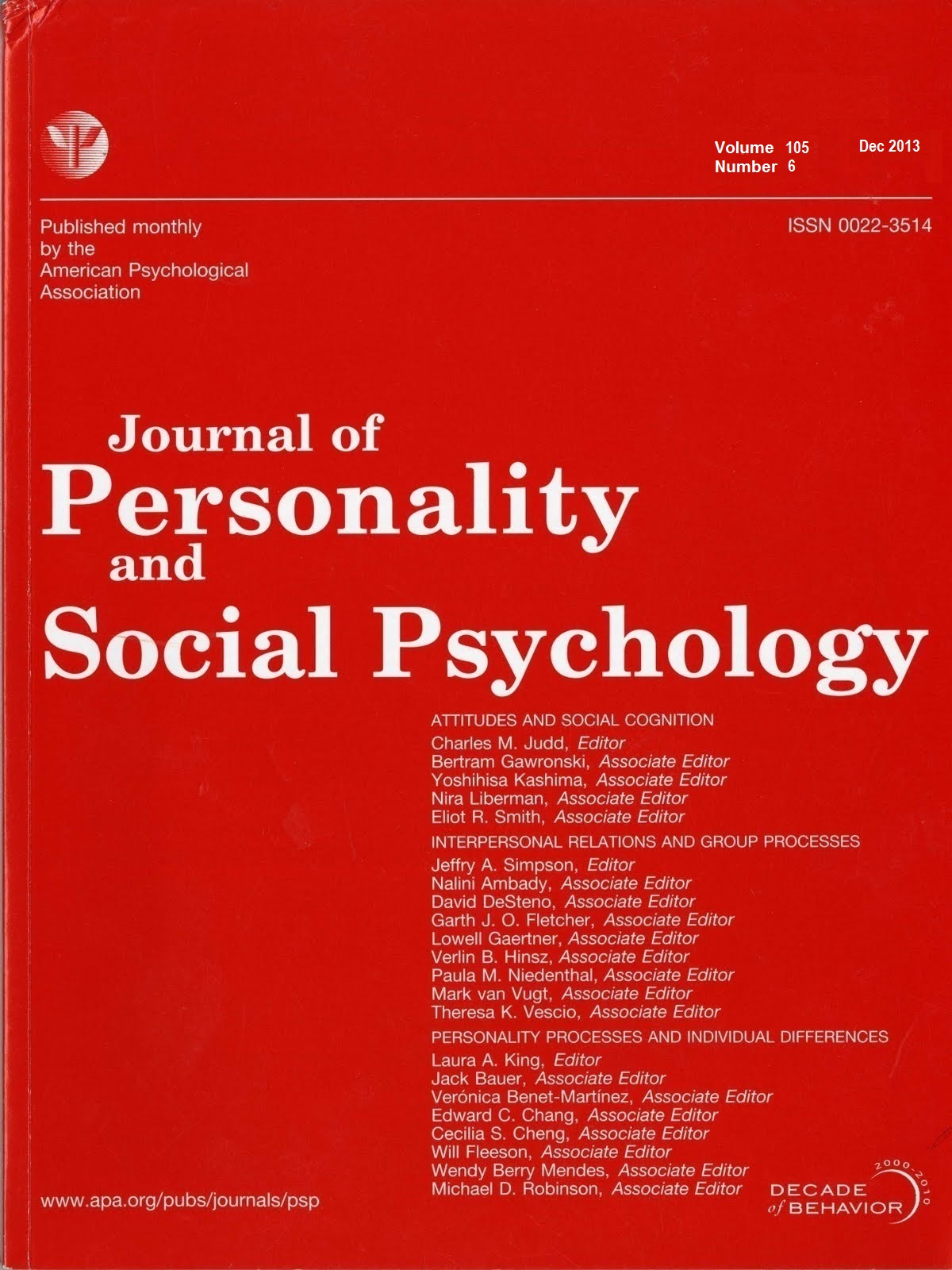
Journal of personality and social psychology publishes original papers in all areas of personality and social psychology and emphasizes empirical reports, but may include specialized theoretical, methodological, and review papers.Journal of personality and social psychology is divided into three independently edited sections. Attitudes and Social Cognition addresses all aspects of psychology (e.g., attitudes, cognition, emotion, motivation) that take place in significant micro- and macrolevel social contexts.




 京公网安备 11010802042870号
京ICP备2023020795号-1
京公网安备 11010802042870号
京ICP备2023020795号-1

 分享
分享
 求助内容:
求助内容: 应助结果提醒方式:
 扫码关注我们
