Riyaaz Uddien Shaik , Mohamad Alipour , Kasra Shamsaei , Eric Rowell , Bharathan Balaji , Adam Watts , Branko Kosovic , Hamed Ebrahimian , Ertugrul Taciroglu
{"title":"基于人工智能的野火燃料测绘方法综述","authors":"Riyaaz Uddien Shaik , Mohamad Alipour , Kasra Shamsaei , Eric Rowell , Bharathan Balaji , Adam Watts , Branko Kosovic , Hamed Ebrahimian , Ertugrul Taciroglu","doi":"10.1016/j.earscirev.2025.105064","DOIUrl":null,"url":null,"abstract":"<div><div>Understanding fire behavior is a crucial step in wildfire risk assessment and management. Accurate and near real-time knowledge of the spatio-temporal characteristics of fuels is critical for analyzing pre-fire risk mitigation and managing active-fire emergency response. Geospatial modeling and land cover mapping using remote sensing combined with artificial intelligence techniques can provide fuel information at regional scales with high accuracy and resolution, as evidenced by the extensive recent work in the literature that appeared with increasing volume in the open literature. This paper provides a comprehensive survey of the state-of-the-art in wildfire fuel mapping, focusing on the research frontier of fire fuel models, fuel mapping methods, remote sensing data sources, existing datasets/reference maps, and applicable artificial intelligence techniques. The main findings highlight the increasing research on fire fuel mapping worldwide, with a considerable emphasis on multispectral imagery and the Random Forest classifier for its efficacy with limited data. The majority of these studies concentrate on relatively limited geographical scales spanning a small variety of fuel types, thus leaving a gap in regional and national-scale mapping. Further, this review focuses on identifying the major challenges in wildfire fuel mapping and viable solutions as they relate to (i) ground truth data scarcity, (ii) mapping understory vegetation, (iii) temporal latency, and (iv) lack of uncertainty-aware models. Lastly, this paper identifies potential AI-driven solutions that promise a significant leap in fuel mapping and discusses the latest developments and potential future trends in AI-based fuel mapping applications.</div></div>","PeriodicalId":11483,"journal":{"name":"Earth-Science Reviews","volume":"262 ","pages":"Article 105064"},"PeriodicalIF":11.3000,"publicationDate":"2025-03-01","publicationTypes":"Journal Article","fieldsOfStudy":null,"isOpenAccess":false,"openAccessPdf":"","citationCount":"0","resultStr":"{\"title\":\"Wildfire Fuels Mapping through Artificial Intelligence-based Methods: A Review\",\"authors\":\"Riyaaz Uddien Shaik , Mohamad Alipour , Kasra Shamsaei , Eric Rowell , Bharathan Balaji , Adam Watts , Branko Kosovic , Hamed Ebrahimian , Ertugrul Taciroglu\",\"doi\":\"10.1016/j.earscirev.2025.105064\",\"DOIUrl\":null,\"url\":null,\"abstract\":\"<div><div>Understanding fire behavior is a crucial step in wildfire risk assessment and management. Accurate and near real-time knowledge of the spatio-temporal characteristics of fuels is critical for analyzing pre-fire risk mitigation and managing active-fire emergency response. Geospatial modeling and land cover mapping using remote sensing combined with artificial intelligence techniques can provide fuel information at regional scales with high accuracy and resolution, as evidenced by the extensive recent work in the literature that appeared with increasing volume in the open literature. This paper provides a comprehensive survey of the state-of-the-art in wildfire fuel mapping, focusing on the research frontier of fire fuel models, fuel mapping methods, remote sensing data sources, existing datasets/reference maps, and applicable artificial intelligence techniques. The main findings highlight the increasing research on fire fuel mapping worldwide, with a considerable emphasis on multispectral imagery and the Random Forest classifier for its efficacy with limited data. The majority of these studies concentrate on relatively limited geographical scales spanning a small variety of fuel types, thus leaving a gap in regional and national-scale mapping. Further, this review focuses on identifying the major challenges in wildfire fuel mapping and viable solutions as they relate to (i) ground truth data scarcity, (ii) mapping understory vegetation, (iii) temporal latency, and (iv) lack of uncertainty-aware models. Lastly, this paper identifies potential AI-driven solutions that promise a significant leap in fuel mapping and discusses the latest developments and potential future trends in AI-based fuel mapping applications.</div></div>\",\"PeriodicalId\":11483,\"journal\":{\"name\":\"Earth-Science Reviews\",\"volume\":\"262 \",\"pages\":\"Article 105064\"},\"PeriodicalIF\":11.3000,\"publicationDate\":\"2025-03-01\",\"publicationTypes\":\"Journal Article\",\"fieldsOfStudy\":null,\"isOpenAccess\":false,\"openAccessPdf\":\"\",\"citationCount\":\"0\",\"resultStr\":null,\"platform\":\"Semanticscholar\",\"paperid\":null,\"PeriodicalName\":\"Earth-Science Reviews\",\"FirstCategoryId\":\"89\",\"ListUrlMain\":\"https://www.sciencedirect.com/science/article/pii/S001282522500025X\",\"RegionNum\":1,\"RegionCategory\":\"地球科学\",\"ArticlePicture\":[],\"TitleCN\":null,\"AbstractTextCN\":null,\"PMCID\":null,\"EPubDate\":\"2025/2/7 0:00:00\",\"PubModel\":\"Epub\",\"JCR\":\"Q1\",\"JCRName\":\"GEOSCIENCES, MULTIDISCIPLINARY\",\"Score\":null,\"Total\":0}","platform":"Semanticscholar","paperid":null,"PeriodicalName":"Earth-Science Reviews","FirstCategoryId":"89","ListUrlMain":"https://www.sciencedirect.com/science/article/pii/S001282522500025X","RegionNum":1,"RegionCategory":"地球科学","ArticlePicture":[],"TitleCN":null,"AbstractTextCN":null,"PMCID":null,"EPubDate":"2025/2/7 0:00:00","PubModel":"Epub","JCR":"Q1","JCRName":"GEOSCIENCES, MULTIDISCIPLINARY","Score":null,"Total":0}
Wildfire Fuels Mapping through Artificial Intelligence-based Methods: A Review
Understanding fire behavior is a crucial step in wildfire risk assessment and management. Accurate and near real-time knowledge of the spatio-temporal characteristics of fuels is critical for analyzing pre-fire risk mitigation and managing active-fire emergency response. Geospatial modeling and land cover mapping using remote sensing combined with artificial intelligence techniques can provide fuel information at regional scales with high accuracy and resolution, as evidenced by the extensive recent work in the literature that appeared with increasing volume in the open literature. This paper provides a comprehensive survey of the state-of-the-art in wildfire fuel mapping, focusing on the research frontier of fire fuel models, fuel mapping methods, remote sensing data sources, existing datasets/reference maps, and applicable artificial intelligence techniques. The main findings highlight the increasing research on fire fuel mapping worldwide, with a considerable emphasis on multispectral imagery and the Random Forest classifier for its efficacy with limited data. The majority of these studies concentrate on relatively limited geographical scales spanning a small variety of fuel types, thus leaving a gap in regional and national-scale mapping. Further, this review focuses on identifying the major challenges in wildfire fuel mapping and viable solutions as they relate to (i) ground truth data scarcity, (ii) mapping understory vegetation, (iii) temporal latency, and (iv) lack of uncertainty-aware models. Lastly, this paper identifies potential AI-driven solutions that promise a significant leap in fuel mapping and discusses the latest developments and potential future trends in AI-based fuel mapping applications.
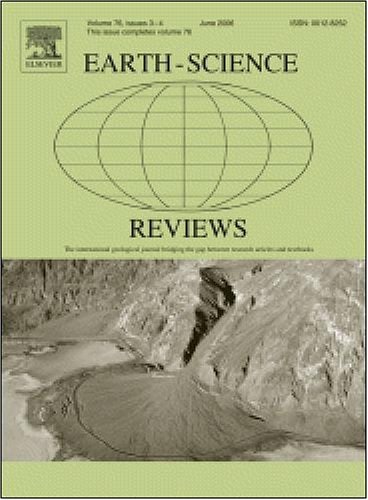
期刊介绍:
Covering a much wider field than the usual specialist journals, Earth Science Reviews publishes review articles dealing with all aspects of Earth Sciences, and is an important vehicle for allowing readers to see their particular interest related to the Earth Sciences as a whole.




 京公网安备 11010802042870号
京ICP备2023020795号-1
京公网安备 11010802042870号
京ICP备2023020795号-1

 分享
分享
 求助内容:
求助内容: 应助结果提醒方式:
 扫码关注我们
