Sebastian Sadowski , Bob M. Fennis , Koert van Ittersum
{"title":"所有我们看不到的线索:奖励驱动的干扰如何使消费者对分类复杂性不敏感","authors":"Sebastian Sadowski , Bob M. Fennis , Koert van Ittersum","doi":"10.1016/j.jbusres.2025.115227","DOIUrl":null,"url":null,"abstract":"<div><div>Consumers face assortments in the retail environment that are more and more complex. This research extends the current literature on location-based choice behavior by demonstrating how varying assortment complexity impacts consumer choice behavior while shopping and how the presence or absence of reward-driven distractors (cues that promise a reward yet are unrelated to the choice task) modulate that choice process. We find that consumers tend to choose products closer to the center of an assortment when facing non-complex assortments. At the same time, they shift their choice towards the edge when selecting products from complex assortments. However, we only observe these effects in the absence of reward-driven distractors. When present, assortment complexity fails to steer consumers into diverging product locations. We discuss how our findings might inform retail practice.</div></div>","PeriodicalId":15123,"journal":{"name":"Journal of Business Research","volume":"190 ","pages":"Article 115227"},"PeriodicalIF":9.8000,"publicationDate":"2025-03-01","publicationTypes":"Journal Article","fieldsOfStudy":null,"isOpenAccess":false,"openAccessPdf":"","citationCount":"0","resultStr":"{\"title\":\"All the cues we cannot see: How reward-driven distractors render consumers insensitive to assortment complexity\",\"authors\":\"Sebastian Sadowski , Bob M. Fennis , Koert van Ittersum\",\"doi\":\"10.1016/j.jbusres.2025.115227\",\"DOIUrl\":null,\"url\":null,\"abstract\":\"<div><div>Consumers face assortments in the retail environment that are more and more complex. This research extends the current literature on location-based choice behavior by demonstrating how varying assortment complexity impacts consumer choice behavior while shopping and how the presence or absence of reward-driven distractors (cues that promise a reward yet are unrelated to the choice task) modulate that choice process. We find that consumers tend to choose products closer to the center of an assortment when facing non-complex assortments. At the same time, they shift their choice towards the edge when selecting products from complex assortments. However, we only observe these effects in the absence of reward-driven distractors. When present, assortment complexity fails to steer consumers into diverging product locations. We discuss how our findings might inform retail practice.</div></div>\",\"PeriodicalId\":15123,\"journal\":{\"name\":\"Journal of Business Research\",\"volume\":\"190 \",\"pages\":\"Article 115227\"},\"PeriodicalIF\":9.8000,\"publicationDate\":\"2025-03-01\",\"publicationTypes\":\"Journal Article\",\"fieldsOfStudy\":null,\"isOpenAccess\":false,\"openAccessPdf\":\"\",\"citationCount\":\"0\",\"resultStr\":null,\"platform\":\"Semanticscholar\",\"paperid\":null,\"PeriodicalName\":\"Journal of Business Research\",\"FirstCategoryId\":\"91\",\"ListUrlMain\":\"https://www.sciencedirect.com/science/article/pii/S0148296325000505\",\"RegionNum\":1,\"RegionCategory\":\"管理学\",\"ArticlePicture\":[],\"TitleCN\":null,\"AbstractTextCN\":null,\"PMCID\":null,\"EPubDate\":\"2025/2/11 0:00:00\",\"PubModel\":\"Epub\",\"JCR\":\"Q1\",\"JCRName\":\"BUSINESS\",\"Score\":null,\"Total\":0}","platform":"Semanticscholar","paperid":null,"PeriodicalName":"Journal of Business Research","FirstCategoryId":"91","ListUrlMain":"https://www.sciencedirect.com/science/article/pii/S0148296325000505","RegionNum":1,"RegionCategory":"管理学","ArticlePicture":[],"TitleCN":null,"AbstractTextCN":null,"PMCID":null,"EPubDate":"2025/2/11 0:00:00","PubModel":"Epub","JCR":"Q1","JCRName":"BUSINESS","Score":null,"Total":0}
All the cues we cannot see: How reward-driven distractors render consumers insensitive to assortment complexity
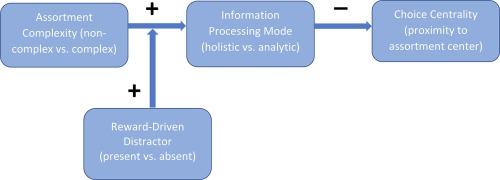
Consumers face assortments in the retail environment that are more and more complex. This research extends the current literature on location-based choice behavior by demonstrating how varying assortment complexity impacts consumer choice behavior while shopping and how the presence or absence of reward-driven distractors (cues that promise a reward yet are unrelated to the choice task) modulate that choice process. We find that consumers tend to choose products closer to the center of an assortment when facing non-complex assortments. At the same time, they shift their choice towards the edge when selecting products from complex assortments. However, we only observe these effects in the absence of reward-driven distractors. When present, assortment complexity fails to steer consumers into diverging product locations. We discuss how our findings might inform retail practice.
期刊介绍:
The Journal of Business Research aims to publish research that is rigorous, relevant, and potentially impactful. It examines a wide variety of business decision contexts, processes, and activities, developing insights that are meaningful for theory, practice, and/or society at large. The research is intended to generate meaningful debates in academia and practice, that are thought provoking and have the potential to make a difference to conceptual thinking and/or practice. The Journal is published for a broad range of stakeholders, including scholars, researchers, executives, and policy makers. It aids the application of its research to practical situations and theoretical findings to the reality of the business world as well as to society. The Journal is abstracted and indexed in several databases, including Social Sciences Citation Index, ANBAR, Current Contents, Management Contents, Management Literature in Brief, PsycINFO, Information Service, RePEc, Academic Journal Guide, ABI/Inform, INSPEC, etc.




 京公网安备 11010802042870号
京ICP备2023020795号-1
京公网安备 11010802042870号
京ICP备2023020795号-1

 分享
分享
 求助内容:
求助内容: 应助结果提醒方式:
 扫码关注我们
