Daniel J Landsburg, Matthew J Frigault, Michael Heim, Stephen Ronan Foley, Brian Hill, Grant Schofield, Caron A Jacobson, Samantha Jaglowski, Frederick L Locke, Ron Ram, Peter A Riedell, Gunjan Shah, Leslie L Popplewell, Ranjan Tiwari, Stephen Lim, Marta Majdan, Aisha Masood, Marcelo Pasquini, Cameron J Turtle
{"title":"侵袭性b细胞淋巴瘤患者的真实预后:来自CIBMTR注册的亚组分析","authors":"Daniel J Landsburg, Matthew J Frigault, Michael Heim, Stephen Ronan Foley, Brian Hill, Grant Schofield, Caron A Jacobson, Samantha Jaglowski, Frederick L Locke, Ron Ram, Peter A Riedell, Gunjan Shah, Leslie L Popplewell, Ranjan Tiwari, Stephen Lim, Marta Majdan, Aisha Masood, Marcelo Pasquini, Cameron J Turtle","doi":"10.1136/jitc-2024-009890","DOIUrl":null,"url":null,"abstract":"<p><strong>Background: </strong>Tisagenlecleucel, a CD19 chimeric antigen receptor T-cell therapy, is approved for adults with relapsed or refractory (R/R) diffuse large B-cell lymphoma (DLBCL) or high-grade B-cell lymphoma (HGBCL) after ≥2 lines of therapy. When used in real-world settings, tisagenlecleucel has shown similar efficacy and improved safety compared with previous clinical trials. However, long-term data on real-world outcomes are lacking.</p><p><strong>Methods: </strong>Clinical data from a cohort of patients treated with tisagenlecleucel in a real-world setting were captured in the Center for International Blood and Marrow Transplant Research registry. The main clinical outcomes analysed included response rate, duration of response, survival, adverse events and clinicopathologic and treatment characteristics that may affect those outcomes.</p><p><strong>Results: </strong>As of May 2022, 1159 patients with R/R DLBCL/HGBCL received tisagenlecleucel. The overall response rate was 59.5%, and the complete response rate was 44.5%. With a median follow-up of 23.2 months in the efficacy set (n=968), the 24 month rates of progression-free survival, ongoing response and overall survival were 28.4%, 52.6% and 43.6%, respectively. Grade ≥3 cytokine release syndrome and neurotoxicity were reported in 6% and 7.4% of patients, respectively. Patients with DLBCL (vs HGBCL), complete response before infusion, prior autologous or allogeneic haematopoietic stem cell transplant and lactate dehydrogenase (LDH) within normal limits experienced more favourable efficacy outcomes, and those with Eastern Cooperative Oncology Group performance status of ≥2, ≥3 prior lines of therapy, elevated LDH and fludarabine-based lymphodepleting chemotherapy experienced less favourable safety outcomes.</p><p><strong>Conclusions: </strong>This real-world study of tisagenlecleucel for patients with R/R DLBCL/HGBCL shows consistent efficacy and better safety outcomes than the pivotal trial. This study also identifies baseline disease characteristics and prior or concurrent treatments that may affect clinical outcomes.Tisagenlecleucel, a CD19 chimeric antigen receptor T-cell therapy, is approved for adults with relapsed or refractory (R/R) diffuse large B-cell lymphoma (DLBCL) or high-grade B-cell lymphoma (HGBCL) after ≥2 lines of therapy. When used in real-world settings, tisagenlecleucel has shown similar efficacy and improved safety compared with previous clinical trials. However, long-term data on real-world outcomes are lacking.Clinical data from a cohort of patients treated with tisagenlecleucel in a real-world setting were captured in the Center for International Blood and Marrow Transplant Research registry. The main clinical outcomes analysed included response rate, duration of response, survival, adverse events, and clinicopathologic and treatment characteristics that may affect those outcomes.As of May 2022, 1159 patients with R/R DLBCL/HGBCL received tisagenlecleucel. The overall response rate was 59.5%, and the complete response rate was 44.5%. With a median follow-up of 23.2 months in the efficacy set (n=968), the 24 month rates of progression-free survival, ongoing response, and overall survival were 28.4%, 52.6%, and 43.6%, respectively. Grade ≥3 cytokine release syndrome and neurotoxicity were reported in 6% and 7.4% of patients, respectively. Patients with DLBCL (vs HGBCL), complete response before infusion, prior autologous or allogeneic haematopoietic stem cell transplant, and lactate dehydrogenase (LDH) within normal limits experienced more favourable efficacy outcomes, and those with Eastern Cooperative Oncology Group performance status ≥2, ≥3 prior lines of therapy, elevated LDH, and fludarabine-based lymphodepleting chemotherapy experienced less favourable safety outcomes.In conclusion, this real-world study of tisagenlecleucel for patients with R/R DLBCL/HGBCL shows consistent efficacy and better safety outcomes than the pivotal trial. This study also identifies baseline disease characteristics and prior or concurrent treatments that may affect clinical outcomes.</p>","PeriodicalId":14820,"journal":{"name":"Journal for Immunotherapy of Cancer","volume":"13 2","pages":""},"PeriodicalIF":10.6000,"publicationDate":"2025-02-09","publicationTypes":"Journal Article","fieldsOfStudy":null,"isOpenAccess":false,"openAccessPdf":"https://www.ncbi.nlm.nih.gov/pmc/articles/PMC11808862/pdf/","citationCount":"0","resultStr":"{\"title\":\"Real-world outcomes with tisagenlecleucel in aggressive B-cell lymphoma: subgroup analyses from the CIBMTR registry.\",\"authors\":\"Daniel J Landsburg, Matthew J Frigault, Michael Heim, Stephen Ronan Foley, Brian Hill, Grant Schofield, Caron A Jacobson, Samantha Jaglowski, Frederick L Locke, Ron Ram, Peter A Riedell, Gunjan Shah, Leslie L Popplewell, Ranjan Tiwari, Stephen Lim, Marta Majdan, Aisha Masood, Marcelo Pasquini, Cameron J Turtle\",\"doi\":\"10.1136/jitc-2024-009890\",\"DOIUrl\":null,\"url\":null,\"abstract\":\"<p><strong>Background: </strong>Tisagenlecleucel, a CD19 chimeric antigen receptor T-cell therapy, is approved for adults with relapsed or refractory (R/R) diffuse large B-cell lymphoma (DLBCL) or high-grade B-cell lymphoma (HGBCL) after ≥2 lines of therapy. When used in real-world settings, tisagenlecleucel has shown similar efficacy and improved safety compared with previous clinical trials. However, long-term data on real-world outcomes are lacking.</p><p><strong>Methods: </strong>Clinical data from a cohort of patients treated with tisagenlecleucel in a real-world setting were captured in the Center for International Blood and Marrow Transplant Research registry. The main clinical outcomes analysed included response rate, duration of response, survival, adverse events and clinicopathologic and treatment characteristics that may affect those outcomes.</p><p><strong>Results: </strong>As of May 2022, 1159 patients with R/R DLBCL/HGBCL received tisagenlecleucel. The overall response rate was 59.5%, and the complete response rate was 44.5%. With a median follow-up of 23.2 months in the efficacy set (n=968), the 24 month rates of progression-free survival, ongoing response and overall survival were 28.4%, 52.6% and 43.6%, respectively. Grade ≥3 cytokine release syndrome and neurotoxicity were reported in 6% and 7.4% of patients, respectively. Patients with DLBCL (vs HGBCL), complete response before infusion, prior autologous or allogeneic haematopoietic stem cell transplant and lactate dehydrogenase (LDH) within normal limits experienced more favourable efficacy outcomes, and those with Eastern Cooperative Oncology Group performance status of ≥2, ≥3 prior lines of therapy, elevated LDH and fludarabine-based lymphodepleting chemotherapy experienced less favourable safety outcomes.</p><p><strong>Conclusions: </strong>This real-world study of tisagenlecleucel for patients with R/R DLBCL/HGBCL shows consistent efficacy and better safety outcomes than the pivotal trial. This study also identifies baseline disease characteristics and prior or concurrent treatments that may affect clinical outcomes.Tisagenlecleucel, a CD19 chimeric antigen receptor T-cell therapy, is approved for adults with relapsed or refractory (R/R) diffuse large B-cell lymphoma (DLBCL) or high-grade B-cell lymphoma (HGBCL) after ≥2 lines of therapy. When used in real-world settings, tisagenlecleucel has shown similar efficacy and improved safety compared with previous clinical trials. However, long-term data on real-world outcomes are lacking.Clinical data from a cohort of patients treated with tisagenlecleucel in a real-world setting were captured in the Center for International Blood and Marrow Transplant Research registry. The main clinical outcomes analysed included response rate, duration of response, survival, adverse events, and clinicopathologic and treatment characteristics that may affect those outcomes.As of May 2022, 1159 patients with R/R DLBCL/HGBCL received tisagenlecleucel. The overall response rate was 59.5%, and the complete response rate was 44.5%. With a median follow-up of 23.2 months in the efficacy set (n=968), the 24 month rates of progression-free survival, ongoing response, and overall survival were 28.4%, 52.6%, and 43.6%, respectively. Grade ≥3 cytokine release syndrome and neurotoxicity were reported in 6% and 7.4% of patients, respectively. Patients with DLBCL (vs HGBCL), complete response before infusion, prior autologous or allogeneic haematopoietic stem cell transplant, and lactate dehydrogenase (LDH) within normal limits experienced more favourable efficacy outcomes, and those with Eastern Cooperative Oncology Group performance status ≥2, ≥3 prior lines of therapy, elevated LDH, and fludarabine-based lymphodepleting chemotherapy experienced less favourable safety outcomes.In conclusion, this real-world study of tisagenlecleucel for patients with R/R DLBCL/HGBCL shows consistent efficacy and better safety outcomes than the pivotal trial. This study also identifies baseline disease characteristics and prior or concurrent treatments that may affect clinical outcomes.</p>\",\"PeriodicalId\":14820,\"journal\":{\"name\":\"Journal for Immunotherapy of Cancer\",\"volume\":\"13 2\",\"pages\":\"\"},\"PeriodicalIF\":10.6000,\"publicationDate\":\"2025-02-09\",\"publicationTypes\":\"Journal Article\",\"fieldsOfStudy\":null,\"isOpenAccess\":false,\"openAccessPdf\":\"https://www.ncbi.nlm.nih.gov/pmc/articles/PMC11808862/pdf/\",\"citationCount\":\"0\",\"resultStr\":null,\"platform\":\"Semanticscholar\",\"paperid\":null,\"PeriodicalName\":\"Journal for Immunotherapy of Cancer\",\"FirstCategoryId\":\"3\",\"ListUrlMain\":\"https://doi.org/10.1136/jitc-2024-009890\",\"RegionNum\":1,\"RegionCategory\":\"医学\",\"ArticlePicture\":[],\"TitleCN\":null,\"AbstractTextCN\":null,\"PMCID\":null,\"EPubDate\":\"\",\"PubModel\":\"\",\"JCR\":\"Q1\",\"JCRName\":\"IMMUNOLOGY\",\"Score\":null,\"Total\":0}","platform":"Semanticscholar","paperid":null,"PeriodicalName":"Journal for Immunotherapy of Cancer","FirstCategoryId":"3","ListUrlMain":"https://doi.org/10.1136/jitc-2024-009890","RegionNum":1,"RegionCategory":"医学","ArticlePicture":[],"TitleCN":null,"AbstractTextCN":null,"PMCID":null,"EPubDate":"","PubModel":"","JCR":"Q1","JCRName":"IMMUNOLOGY","Score":null,"Total":0}
Real-world outcomes with tisagenlecleucel in aggressive B-cell lymphoma: subgroup analyses from the CIBMTR registry.
Background: Tisagenlecleucel, a CD19 chimeric antigen receptor T-cell therapy, is approved for adults with relapsed or refractory (R/R) diffuse large B-cell lymphoma (DLBCL) or high-grade B-cell lymphoma (HGBCL) after ≥2 lines of therapy. When used in real-world settings, tisagenlecleucel has shown similar efficacy and improved safety compared with previous clinical trials. However, long-term data on real-world outcomes are lacking.
Methods: Clinical data from a cohort of patients treated with tisagenlecleucel in a real-world setting were captured in the Center for International Blood and Marrow Transplant Research registry. The main clinical outcomes analysed included response rate, duration of response, survival, adverse events and clinicopathologic and treatment characteristics that may affect those outcomes.
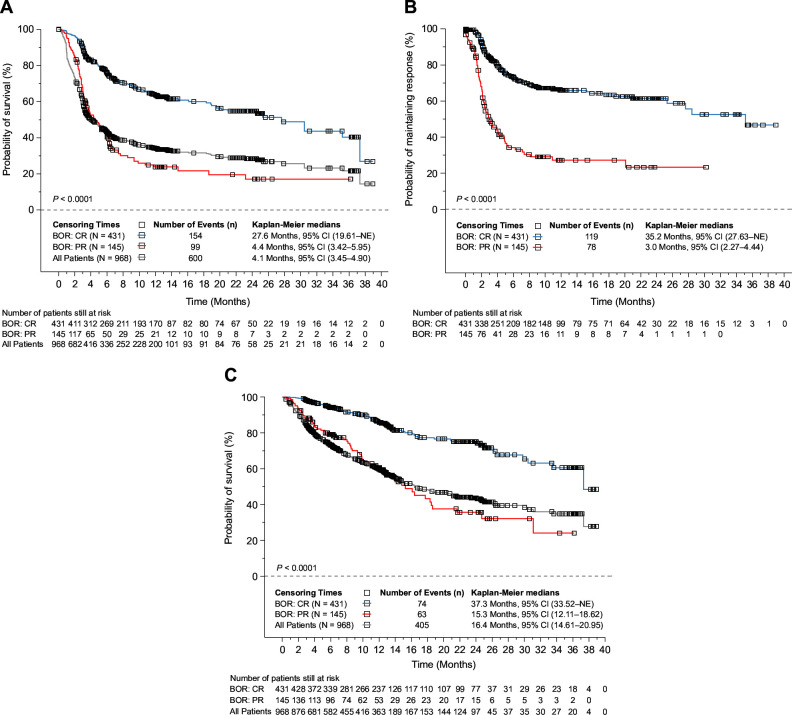
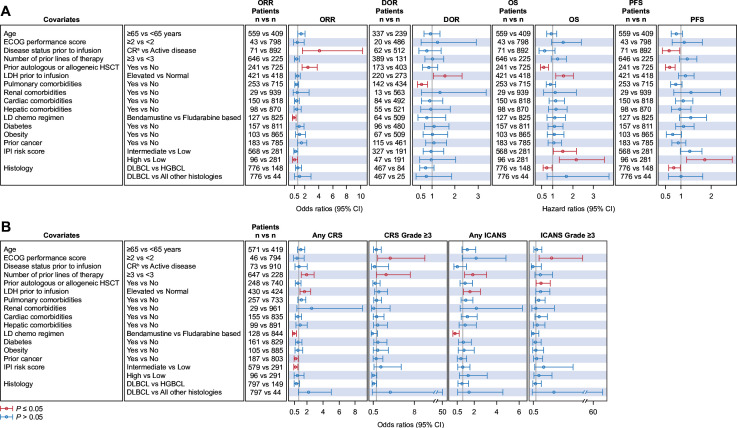
Results: As of May 2022, 1159 patients with R/R DLBCL/HGBCL received tisagenlecleucel. The overall response rate was 59.5%, and the complete response rate was 44.5%. With a median follow-up of 23.2 months in the efficacy set (n=968), the 24 month rates of progression-free survival, ongoing response and overall survival were 28.4%, 52.6% and 43.6%, respectively. Grade ≥3 cytokine release syndrome and neurotoxicity were reported in 6% and 7.4% of patients, respectively. Patients with DLBCL (vs HGBCL), complete response before infusion, prior autologous or allogeneic haematopoietic stem cell transplant and lactate dehydrogenase (LDH) within normal limits experienced more favourable efficacy outcomes, and those with Eastern Cooperative Oncology Group performance status of ≥2, ≥3 prior lines of therapy, elevated LDH and fludarabine-based lymphodepleting chemotherapy experienced less favourable safety outcomes.
Conclusions: This real-world study of tisagenlecleucel for patients with R/R DLBCL/HGBCL shows consistent efficacy and better safety outcomes than the pivotal trial. This study also identifies baseline disease characteristics and prior or concurrent treatments that may affect clinical outcomes.Tisagenlecleucel, a CD19 chimeric antigen receptor T-cell therapy, is approved for adults with relapsed or refractory (R/R) diffuse large B-cell lymphoma (DLBCL) or high-grade B-cell lymphoma (HGBCL) after ≥2 lines of therapy. When used in real-world settings, tisagenlecleucel has shown similar efficacy and improved safety compared with previous clinical trials. However, long-term data on real-world outcomes are lacking.Clinical data from a cohort of patients treated with tisagenlecleucel in a real-world setting were captured in the Center for International Blood and Marrow Transplant Research registry. The main clinical outcomes analysed included response rate, duration of response, survival, adverse events, and clinicopathologic and treatment characteristics that may affect those outcomes.As of May 2022, 1159 patients with R/R DLBCL/HGBCL received tisagenlecleucel. The overall response rate was 59.5%, and the complete response rate was 44.5%. With a median follow-up of 23.2 months in the efficacy set (n=968), the 24 month rates of progression-free survival, ongoing response, and overall survival were 28.4%, 52.6%, and 43.6%, respectively. Grade ≥3 cytokine release syndrome and neurotoxicity were reported in 6% and 7.4% of patients, respectively. Patients with DLBCL (vs HGBCL), complete response before infusion, prior autologous or allogeneic haematopoietic stem cell transplant, and lactate dehydrogenase (LDH) within normal limits experienced more favourable efficacy outcomes, and those with Eastern Cooperative Oncology Group performance status ≥2, ≥3 prior lines of therapy, elevated LDH, and fludarabine-based lymphodepleting chemotherapy experienced less favourable safety outcomes.In conclusion, this real-world study of tisagenlecleucel for patients with R/R DLBCL/HGBCL shows consistent efficacy and better safety outcomes than the pivotal trial. This study also identifies baseline disease characteristics and prior or concurrent treatments that may affect clinical outcomes.
期刊介绍:
The Journal for ImmunoTherapy of Cancer (JITC) is a peer-reviewed publication that promotes scientific exchange and deepens knowledge in the constantly evolving fields of tumor immunology and cancer immunotherapy. With an open access format, JITC encourages widespread access to its findings. The journal covers a wide range of topics, spanning from basic science to translational and clinical research. Key areas of interest include tumor-host interactions, the intricate tumor microenvironment, animal models, the identification of predictive and prognostic immune biomarkers, groundbreaking pharmaceutical and cellular therapies, innovative vaccines, combination immune-based treatments, and the study of immune-related toxicity.




 京公网安备 11010802042870号
京ICP备2023020795号-1
京公网安备 11010802042870号
京ICP备2023020795号-1

 分享
分享
 求助内容:
求助内容: 应助结果提醒方式:
 扫码关注我们
