Marina Carrasco, Laura Guzman, Jordi Olloquequi, Amanda Cano, Ana Fortuna, Manuel Vazquez-Carrera, Ester Verdaguer, Carme Auladell, Miren Ettcheto, Antoni Camins
{"title":"在脂多糖诱导的神经炎症小鼠模型中,甘草查尔酮A可防止认知能力下降。","authors":"Marina Carrasco, Laura Guzman, Jordi Olloquequi, Amanda Cano, Ana Fortuna, Manuel Vazquez-Carrera, Ester Verdaguer, Carme Auladell, Miren Ettcheto, Antoni Camins","doi":"10.1186/s10020-025-01106-8","DOIUrl":null,"url":null,"abstract":"<p><p>Inflammation plays a key role in the development of neurodegenerative disorders that are currently incurable. Licochalcone A (LCA) has been described as an emerging anti-inflammatory drug with multiple therapeutical properties that could potentially prevent neurodegeneration. However, its neuroprotective mechanism remains unclear. Here, we investigated if LCA prevents cognitive decline induced by Lipopolysaccharide (LPS) and elucidated its potential benefits. For that, 8-week-old C57BL6/J male mice were intraperitonially (i.p.) treated with saline solution or LCA (15 mg/kg/day, 3 times per week) for two weeks. The last day, a single i.p injection of LPS (1 mg/kg) or saline solution was administered 24 h before sacrifice. The results revealed a significant reduction in mRNA expression in genes involved in oxidative stress (Sod1, Cat, Pkm, Pdha1, Ndyfv1, Uqcrb1, Cycs and Cox4i1), metabolism (Slc2a1, Slc2a2, Prkaa1 and Gsk3b) and synapsis (Bdnf, Nrxn3 and Nlgn2) in LPS group compared to saline. These findings were linked to memory impairment and depressive-like behavior observed in this group. Interestingly, LCA protected against LPS alterations through its anti-inflammatory effect, reducing gliosis and regulating M1/M2 markers. Moreover, LCA-treated animals showed a significant improvement of antioxidant mechanisms, such as citrate synthase activity and SOD2. Additionally, LCA demonstrated protection against metabolic disturbances, downregulating GLUT4 and P-AKT, and enhanced the expression of synaptic-related proteins (P-CREB, BDNF, PSD95, DBN1 and NLG3), leading all together to dendritic spine preservation. In conclusion, our results demonstrate that LCA treatment prevents LPS-induced cognitive decline by reducing inflammation, enhancing the antioxidant response, protecting against metabolic disruptions and improving synapsis related mechanisms.</p>","PeriodicalId":18813,"journal":{"name":"Molecular Medicine","volume":"31 1","pages":"54"},"PeriodicalIF":6.4000,"publicationDate":"2025-02-11","publicationTypes":"Journal Article","fieldsOfStudy":null,"isOpenAccess":false,"openAccessPdf":"https://www.ncbi.nlm.nih.gov/pmc/articles/PMC11812219/pdf/","citationCount":"0","resultStr":"{\"title\":\"Licochalcone A prevents cognitive decline in a lipopolysaccharide-induced neuroinflammation mice model.\",\"authors\":\"Marina Carrasco, Laura Guzman, Jordi Olloquequi, Amanda Cano, Ana Fortuna, Manuel Vazquez-Carrera, Ester Verdaguer, Carme Auladell, Miren Ettcheto, Antoni Camins\",\"doi\":\"10.1186/s10020-025-01106-8\",\"DOIUrl\":null,\"url\":null,\"abstract\":\"<p><p>Inflammation plays a key role in the development of neurodegenerative disorders that are currently incurable. Licochalcone A (LCA) has been described as an emerging anti-inflammatory drug with multiple therapeutical properties that could potentially prevent neurodegeneration. However, its neuroprotective mechanism remains unclear. Here, we investigated if LCA prevents cognitive decline induced by Lipopolysaccharide (LPS) and elucidated its potential benefits. For that, 8-week-old C57BL6/J male mice were intraperitonially (i.p.) treated with saline solution or LCA (15 mg/kg/day, 3 times per week) for two weeks. The last day, a single i.p injection of LPS (1 mg/kg) or saline solution was administered 24 h before sacrifice. The results revealed a significant reduction in mRNA expression in genes involved in oxidative stress (Sod1, Cat, Pkm, Pdha1, Ndyfv1, Uqcrb1, Cycs and Cox4i1), metabolism (Slc2a1, Slc2a2, Prkaa1 and Gsk3b) and synapsis (Bdnf, Nrxn3 and Nlgn2) in LPS group compared to saline. These findings were linked to memory impairment and depressive-like behavior observed in this group. Interestingly, LCA protected against LPS alterations through its anti-inflammatory effect, reducing gliosis and regulating M1/M2 markers. Moreover, LCA-treated animals showed a significant improvement of antioxidant mechanisms, such as citrate synthase activity and SOD2. Additionally, LCA demonstrated protection against metabolic disturbances, downregulating GLUT4 and P-AKT, and enhanced the expression of synaptic-related proteins (P-CREB, BDNF, PSD95, DBN1 and NLG3), leading all together to dendritic spine preservation. In conclusion, our results demonstrate that LCA treatment prevents LPS-induced cognitive decline by reducing inflammation, enhancing the antioxidant response, protecting against metabolic disruptions and improving synapsis related mechanisms.</p>\",\"PeriodicalId\":18813,\"journal\":{\"name\":\"Molecular Medicine\",\"volume\":\"31 1\",\"pages\":\"54\"},\"PeriodicalIF\":6.4000,\"publicationDate\":\"2025-02-11\",\"publicationTypes\":\"Journal Article\",\"fieldsOfStudy\":null,\"isOpenAccess\":false,\"openAccessPdf\":\"https://www.ncbi.nlm.nih.gov/pmc/articles/PMC11812219/pdf/\",\"citationCount\":\"0\",\"resultStr\":null,\"platform\":\"Semanticscholar\",\"paperid\":null,\"PeriodicalName\":\"Molecular Medicine\",\"FirstCategoryId\":\"3\",\"ListUrlMain\":\"https://doi.org/10.1186/s10020-025-01106-8\",\"RegionNum\":2,\"RegionCategory\":\"医学\",\"ArticlePicture\":[],\"TitleCN\":null,\"AbstractTextCN\":null,\"PMCID\":null,\"EPubDate\":\"\",\"PubModel\":\"\",\"JCR\":\"Q1\",\"JCRName\":\"BIOCHEMISTRY & MOLECULAR BIOLOGY\",\"Score\":null,\"Total\":0}","platform":"Semanticscholar","paperid":null,"PeriodicalName":"Molecular Medicine","FirstCategoryId":"3","ListUrlMain":"https://doi.org/10.1186/s10020-025-01106-8","RegionNum":2,"RegionCategory":"医学","ArticlePicture":[],"TitleCN":null,"AbstractTextCN":null,"PMCID":null,"EPubDate":"","PubModel":"","JCR":"Q1","JCRName":"BIOCHEMISTRY & MOLECULAR BIOLOGY","Score":null,"Total":0}
Licochalcone A prevents cognitive decline in a lipopolysaccharide-induced neuroinflammation mice model.
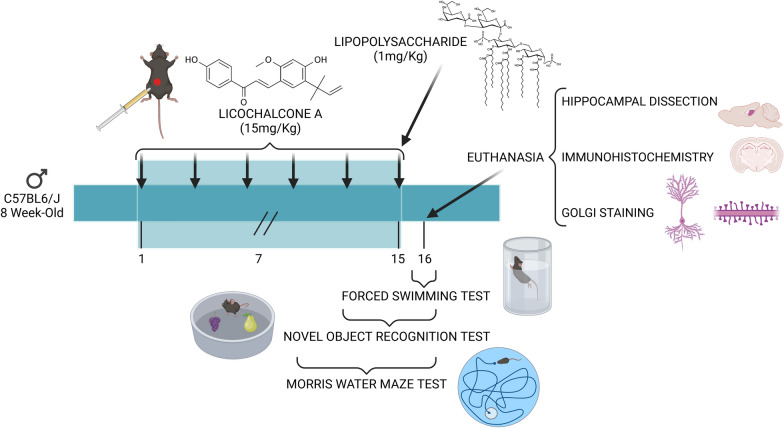
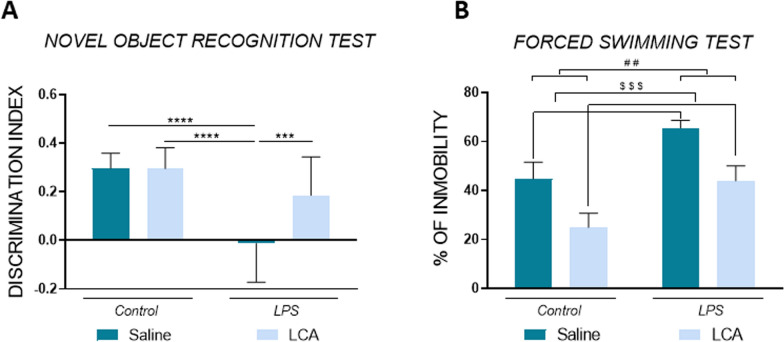
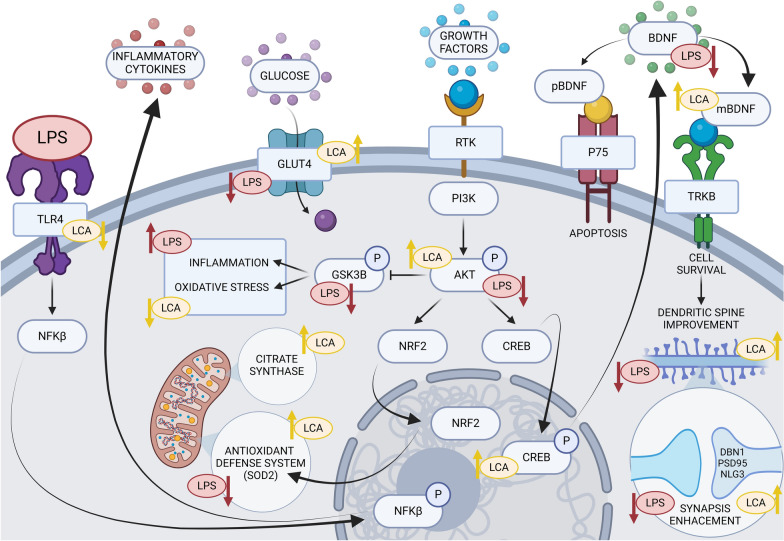
Inflammation plays a key role in the development of neurodegenerative disorders that are currently incurable. Licochalcone A (LCA) has been described as an emerging anti-inflammatory drug with multiple therapeutical properties that could potentially prevent neurodegeneration. However, its neuroprotective mechanism remains unclear. Here, we investigated if LCA prevents cognitive decline induced by Lipopolysaccharide (LPS) and elucidated its potential benefits. For that, 8-week-old C57BL6/J male mice were intraperitonially (i.p.) treated with saline solution or LCA (15 mg/kg/day, 3 times per week) for two weeks. The last day, a single i.p injection of LPS (1 mg/kg) or saline solution was administered 24 h before sacrifice. The results revealed a significant reduction in mRNA expression in genes involved in oxidative stress (Sod1, Cat, Pkm, Pdha1, Ndyfv1, Uqcrb1, Cycs and Cox4i1), metabolism (Slc2a1, Slc2a2, Prkaa1 and Gsk3b) and synapsis (Bdnf, Nrxn3 and Nlgn2) in LPS group compared to saline. These findings were linked to memory impairment and depressive-like behavior observed in this group. Interestingly, LCA protected against LPS alterations through its anti-inflammatory effect, reducing gliosis and regulating M1/M2 markers. Moreover, LCA-treated animals showed a significant improvement of antioxidant mechanisms, such as citrate synthase activity and SOD2. Additionally, LCA demonstrated protection against metabolic disturbances, downregulating GLUT4 and P-AKT, and enhanced the expression of synaptic-related proteins (P-CREB, BDNF, PSD95, DBN1 and NLG3), leading all together to dendritic spine preservation. In conclusion, our results demonstrate that LCA treatment prevents LPS-induced cognitive decline by reducing inflammation, enhancing the antioxidant response, protecting against metabolic disruptions and improving synapsis related mechanisms.
期刊介绍:
Molecular Medicine is an open access journal that focuses on publishing recent findings related to disease pathogenesis at the molecular or physiological level. These insights can potentially contribute to the development of specific tools for disease diagnosis, treatment, or prevention. The journal considers manuscripts that present material pertinent to the genetic, molecular, or cellular underpinnings of critical physiological or disease processes. Submissions to Molecular Medicine are expected to elucidate the broader implications of the research findings for human disease and medicine in a manner that is accessible to a wide audience.




 京公网安备 11010802042870号
京ICP备2023020795号-1
京公网安备 11010802042870号
京ICP备2023020795号-1

 分享
分享
 求助内容:
求助内容: 应助结果提醒方式:
 扫码关注我们
