Dipesh Uprety , Devin Abrahami , Zachary A. Marcum , Benjamin Li , Angela Sang , Matthew Davis , Nada Rifi , John M. Kelton , Krishnan Ramaswamy , Parag Sanghvi , Lyudmila Bazhenova
{"title":"第二代ALK酪氨酸激酶抑制剂作为一线靶向治疗治疗的ALK +转移性非小细胞肺癌患者的脑转移和死亡率:一项观察性队列研究","authors":"Dipesh Uprety , Devin Abrahami , Zachary A. Marcum , Benjamin Li , Angela Sang , Matthew Davis , Nada Rifi , John M. Kelton , Krishnan Ramaswamy , Parag Sanghvi , Lyudmila Bazhenova","doi":"10.1016/j.lungcan.2025.108436","DOIUrl":null,"url":null,"abstract":"<div><h3>Background</h3><div>Brain metastases (BM) are common in patients with ALK + metastatic non-small cell lung cancer (mNSCLC). Limited contemporary real-world evidence exists on the burden of BM in these patients. This study estimated the cumulative incidence of BM in patients with ALK + mNSCLC treated with second-generation ALK tyrosine kinase inhibitors (TKI) as first-line (1L) targeted therapies and assessed the association between BM and mortality.</div></div><div><h3>Materials and Methods</h3><div>Using a 100 % sample of Medicare fee-for-service and Advantage beneficiaries from 2017 to 2022, patients > 65 years with ALK + mNSCLC (index date = 1L alectinib/brigatinib following lung cancer diagnosis) were identified. The cumulative incidence of BM was calculated, accounting for competing risk of death, overall and by age and race/ethnicity. To assess the association between BM and death, a time-varying Cox proportional hazards model compared the risk of death in those with incident, and baseline BM, separately, to those without BM, adjusting for confounders.</div></div><div><h3>Results</h3><div>In 1040 patients, 289 (28 %) had baseline BM. In 751 patients without baseline BM, the cumulative incidence of BM was 20 % after 5 years. After 4 years, the cumulative incidence of BM was highest in patients ≥ 85 years (25 %) and in non-White patients (23 %). Patients with incident BM had 2.6 times the risk of mortality compared to patients without BM (hazard ratio (HR): 2.59, 95 % confidence interval (CI): 1.98–3.38), while patients with baseline BM had 1.5 times the risk of mortality compared to patients without BM (HR: 1.46, 95 % CI: 1.20–1.77).</div></div><div><h3>Conclusions</h3><div>Patients with ALK + mNSCLC treated with second-generation ALK TKIs as 1L targeted therapies faced a high burden of BM. Incident BM were associated with increased mortality risk to a greater extent than baseline BM. Efforts are needed to provide safe and efficacious approaches to prevention and treatment of BM, including additional monitoring as required, in patients with ALK + mNSCLC.</div></div>","PeriodicalId":18129,"journal":{"name":"Lung Cancer","volume":"201 ","pages":"Article 108436"},"PeriodicalIF":4.4000,"publicationDate":"2025-03-01","publicationTypes":"Journal Article","fieldsOfStudy":null,"isOpenAccess":false,"openAccessPdf":"","citationCount":"0","resultStr":"{\"title\":\"Brain metastases and mortality in patients with ALK + metastatic non-small cell lung cancer treated with second-generation ALK tyrosine kinase inhibitors as first-line targeted therapies: An observational cohort study\",\"authors\":\"Dipesh Uprety , Devin Abrahami , Zachary A. Marcum , Benjamin Li , Angela Sang , Matthew Davis , Nada Rifi , John M. Kelton , Krishnan Ramaswamy , Parag Sanghvi , Lyudmila Bazhenova\",\"doi\":\"10.1016/j.lungcan.2025.108436\",\"DOIUrl\":null,\"url\":null,\"abstract\":\"<div><h3>Background</h3><div>Brain metastases (BM) are common in patients with ALK + metastatic non-small cell lung cancer (mNSCLC). Limited contemporary real-world evidence exists on the burden of BM in these patients. This study estimated the cumulative incidence of BM in patients with ALK + mNSCLC treated with second-generation ALK tyrosine kinase inhibitors (TKI) as first-line (1L) targeted therapies and assessed the association between BM and mortality.</div></div><div><h3>Materials and Methods</h3><div>Using a 100 % sample of Medicare fee-for-service and Advantage beneficiaries from 2017 to 2022, patients > 65 years with ALK + mNSCLC (index date = 1L alectinib/brigatinib following lung cancer diagnosis) were identified. The cumulative incidence of BM was calculated, accounting for competing risk of death, overall and by age and race/ethnicity. To assess the association between BM and death, a time-varying Cox proportional hazards model compared the risk of death in those with incident, and baseline BM, separately, to those without BM, adjusting for confounders.</div></div><div><h3>Results</h3><div>In 1040 patients, 289 (28 %) had baseline BM. In 751 patients without baseline BM, the cumulative incidence of BM was 20 % after 5 years. After 4 years, the cumulative incidence of BM was highest in patients ≥ 85 years (25 %) and in non-White patients (23 %). Patients with incident BM had 2.6 times the risk of mortality compared to patients without BM (hazard ratio (HR): 2.59, 95 % confidence interval (CI): 1.98–3.38), while patients with baseline BM had 1.5 times the risk of mortality compared to patients without BM (HR: 1.46, 95 % CI: 1.20–1.77).</div></div><div><h3>Conclusions</h3><div>Patients with ALK + mNSCLC treated with second-generation ALK TKIs as 1L targeted therapies faced a high burden of BM. Incident BM were associated with increased mortality risk to a greater extent than baseline BM. Efforts are needed to provide safe and efficacious approaches to prevention and treatment of BM, including additional monitoring as required, in patients with ALK + mNSCLC.</div></div>\",\"PeriodicalId\":18129,\"journal\":{\"name\":\"Lung Cancer\",\"volume\":\"201 \",\"pages\":\"Article 108436\"},\"PeriodicalIF\":4.4000,\"publicationDate\":\"2025-03-01\",\"publicationTypes\":\"Journal Article\",\"fieldsOfStudy\":null,\"isOpenAccess\":false,\"openAccessPdf\":\"\",\"citationCount\":\"0\",\"resultStr\":null,\"platform\":\"Semanticscholar\",\"paperid\":null,\"PeriodicalName\":\"Lung Cancer\",\"FirstCategoryId\":\"3\",\"ListUrlMain\":\"https://www.sciencedirect.com/science/article/pii/S0169500225000571\",\"RegionNum\":2,\"RegionCategory\":\"医学\",\"ArticlePicture\":[],\"TitleCN\":null,\"AbstractTextCN\":null,\"PMCID\":null,\"EPubDate\":\"2025/2/4 0:00:00\",\"PubModel\":\"Epub\",\"JCR\":\"Q1\",\"JCRName\":\"ONCOLOGY\",\"Score\":null,\"Total\":0}","platform":"Semanticscholar","paperid":null,"PeriodicalName":"Lung Cancer","FirstCategoryId":"3","ListUrlMain":"https://www.sciencedirect.com/science/article/pii/S0169500225000571","RegionNum":2,"RegionCategory":"医学","ArticlePicture":[],"TitleCN":null,"AbstractTextCN":null,"PMCID":null,"EPubDate":"2025/2/4 0:00:00","PubModel":"Epub","JCR":"Q1","JCRName":"ONCOLOGY","Score":null,"Total":0}
Brain metastases and mortality in patients with ALK + metastatic non-small cell lung cancer treated with second-generation ALK tyrosine kinase inhibitors as first-line targeted therapies: An observational cohort study
Background
Brain metastases (BM) are common in patients with ALK + metastatic non-small cell lung cancer (mNSCLC). Limited contemporary real-world evidence exists on the burden of BM in these patients. This study estimated the cumulative incidence of BM in patients with ALK + mNSCLC treated with second-generation ALK tyrosine kinase inhibitors (TKI) as first-line (1L) targeted therapies and assessed the association between BM and mortality.
Materials and Methods
Using a 100 % sample of Medicare fee-for-service and Advantage beneficiaries from 2017 to 2022, patients > 65 years with ALK + mNSCLC (index date = 1L alectinib/brigatinib following lung cancer diagnosis) were identified. The cumulative incidence of BM was calculated, accounting for competing risk of death, overall and by age and race/ethnicity. To assess the association between BM and death, a time-varying Cox proportional hazards model compared the risk of death in those with incident, and baseline BM, separately, to those without BM, adjusting for confounders.
Results
In 1040 patients, 289 (28 %) had baseline BM. In 751 patients without baseline BM, the cumulative incidence of BM was 20 % after 5 years. After 4 years, the cumulative incidence of BM was highest in patients ≥ 85 years (25 %) and in non-White patients (23 %). Patients with incident BM had 2.6 times the risk of mortality compared to patients without BM (hazard ratio (HR): 2.59, 95 % confidence interval (CI): 1.98–3.38), while patients with baseline BM had 1.5 times the risk of mortality compared to patients without BM (HR: 1.46, 95 % CI: 1.20–1.77).
Conclusions
Patients with ALK + mNSCLC treated with second-generation ALK TKIs as 1L targeted therapies faced a high burden of BM. Incident BM were associated with increased mortality risk to a greater extent than baseline BM. Efforts are needed to provide safe and efficacious approaches to prevention and treatment of BM, including additional monitoring as required, in patients with ALK + mNSCLC.
期刊介绍:
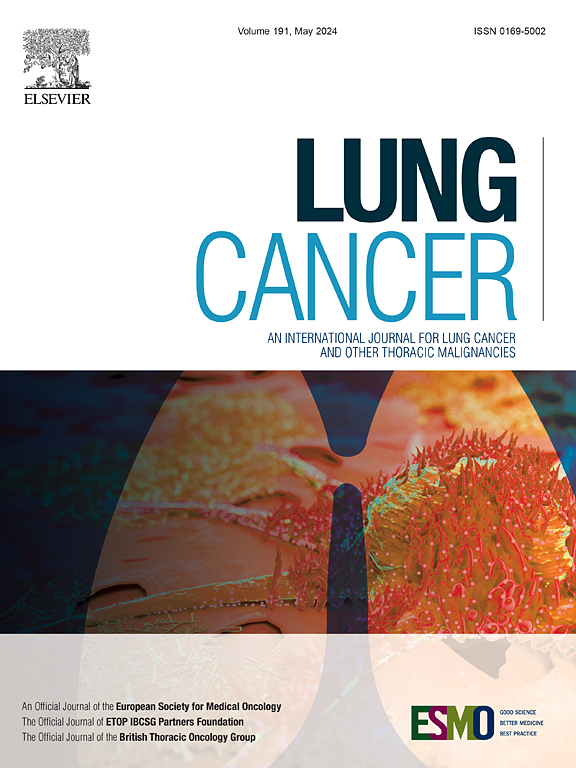
Lung Cancer is an international publication covering the clinical, translational and basic science of malignancies of the lung and chest region.Original research articles, early reports, review articles, editorials and correspondence covering the prevention, epidemiology and etiology, basic biology, pathology, clinical assessment, surgery, chemotherapy, radiotherapy, combined treatment modalities, other treatment modalities and outcomes of lung cancer are welcome.




 京公网安备 11010802042870号
京ICP备2023020795号-1
京公网安备 11010802042870号
京ICP备2023020795号-1

 分享
分享
 求助内容:
求助内容: 应助结果提醒方式:
 扫码关注我们
