Roman Bigliardi, Claudia Riera-Canales, Adriana Oviedo, Gonzalo Ortiz, Julian Fernández, Santiago Meduri, Patricio Birsa, Gabriela Messere, Miguel Saps
{"title":"经皮骶旁刺激治疗脊髓脊膜突出伴大便失禁1例。","authors":"Roman Bigliardi, Claudia Riera-Canales, Adriana Oviedo, Gonzalo Ortiz, Julian Fernández, Santiago Meduri, Patricio Birsa, Gabriela Messere, Miguel Saps","doi":"10.1002/jpr3.12152","DOIUrl":null,"url":null,"abstract":"<p><p>Myelomeningocele is a complex congenital defect that affects the spinal cord and structures associated with it. These patients often have neurogenic bowel and bladder dysfunction with constipation, fecal and urinary incontinence. In addition to dietary modifications, laxatives, and enemas, therapies such as biofeedback and neurostimulation (invasive and noninvasive) are sometimes used. These techniques are rarely available, may require surgical procedures, and are not devoid of complications. We present the case of a 13-year-old boy with myelomeningocele at the L4 level, with constipation, dyssynergic defecation, and fecal incontinence (FI). He was treated with biofeedback achieving partial improvement of FI, and then with transcutaneous electrical neurostimulation (TENS) with subsequent resolution of constipation and FI. To our knowledge, this is the first case report using neurostimulation with TENS applied to the S2-S4 dermatomes in a patient with myelomeningocele. This represents a safe, noninvasive, and low-cost treatment for these patients.</p>","PeriodicalId":501015,"journal":{"name":"JPGN reports","volume":"6 1","pages":"48-51"},"PeriodicalIF":0.0000,"publicationDate":"2024-12-20","publicationTypes":"Journal Article","fieldsOfStudy":null,"isOpenAccess":false,"openAccessPdf":"https://www.ncbi.nlm.nih.gov/pmc/articles/PMC11810818/pdf/","citationCount":"0","resultStr":"{\"title\":\"Successful use of transcutaneous parasacral stimulation in a patient with myelomeningocele and fecal incontinence: A case report.\",\"authors\":\"Roman Bigliardi, Claudia Riera-Canales, Adriana Oviedo, Gonzalo Ortiz, Julian Fernández, Santiago Meduri, Patricio Birsa, Gabriela Messere, Miguel Saps\",\"doi\":\"10.1002/jpr3.12152\",\"DOIUrl\":null,\"url\":null,\"abstract\":\"<p><p>Myelomeningocele is a complex congenital defect that affects the spinal cord and structures associated with it. These patients often have neurogenic bowel and bladder dysfunction with constipation, fecal and urinary incontinence. In addition to dietary modifications, laxatives, and enemas, therapies such as biofeedback and neurostimulation (invasive and noninvasive) are sometimes used. These techniques are rarely available, may require surgical procedures, and are not devoid of complications. We present the case of a 13-year-old boy with myelomeningocele at the L4 level, with constipation, dyssynergic defecation, and fecal incontinence (FI). He was treated with biofeedback achieving partial improvement of FI, and then with transcutaneous electrical neurostimulation (TENS) with subsequent resolution of constipation and FI. To our knowledge, this is the first case report using neurostimulation with TENS applied to the S2-S4 dermatomes in a patient with myelomeningocele. This represents a safe, noninvasive, and low-cost treatment for these patients.</p>\",\"PeriodicalId\":501015,\"journal\":{\"name\":\"JPGN reports\",\"volume\":\"6 1\",\"pages\":\"48-51\"},\"PeriodicalIF\":0.0000,\"publicationDate\":\"2024-12-20\",\"publicationTypes\":\"Journal Article\",\"fieldsOfStudy\":null,\"isOpenAccess\":false,\"openAccessPdf\":\"https://www.ncbi.nlm.nih.gov/pmc/articles/PMC11810818/pdf/\",\"citationCount\":\"0\",\"resultStr\":null,\"platform\":\"Semanticscholar\",\"paperid\":null,\"PeriodicalName\":\"JPGN reports\",\"FirstCategoryId\":\"1085\",\"ListUrlMain\":\"https://doi.org/10.1002/jpr3.12152\",\"RegionNum\":0,\"RegionCategory\":null,\"ArticlePicture\":[],\"TitleCN\":null,\"AbstractTextCN\":null,\"PMCID\":null,\"EPubDate\":\"2025/2/1 0:00:00\",\"PubModel\":\"eCollection\",\"JCR\":\"\",\"JCRName\":\"\",\"Score\":null,\"Total\":0}","platform":"Semanticscholar","paperid":null,"PeriodicalName":"JPGN reports","FirstCategoryId":"1085","ListUrlMain":"https://doi.org/10.1002/jpr3.12152","RegionNum":0,"RegionCategory":null,"ArticlePicture":[],"TitleCN":null,"AbstractTextCN":null,"PMCID":null,"EPubDate":"2025/2/1 0:00:00","PubModel":"eCollection","JCR":"","JCRName":"","Score":null,"Total":0}
Successful use of transcutaneous parasacral stimulation in a patient with myelomeningocele and fecal incontinence: A case report.
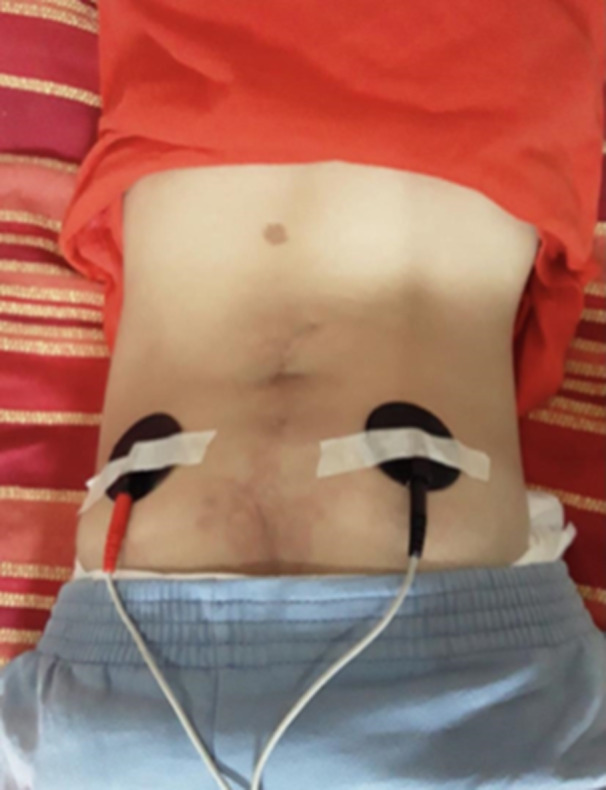
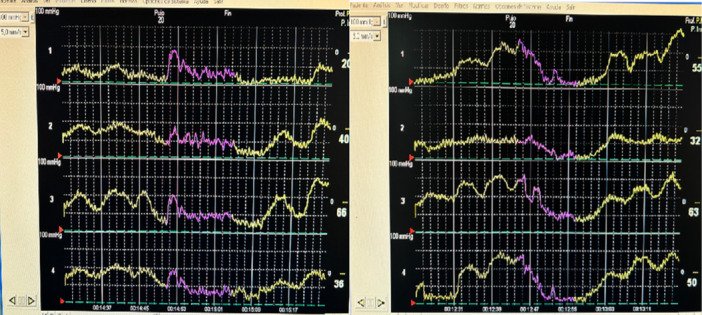
Myelomeningocele is a complex congenital defect that affects the spinal cord and structures associated with it. These patients often have neurogenic bowel and bladder dysfunction with constipation, fecal and urinary incontinence. In addition to dietary modifications, laxatives, and enemas, therapies such as biofeedback and neurostimulation (invasive and noninvasive) are sometimes used. These techniques are rarely available, may require surgical procedures, and are not devoid of complications. We present the case of a 13-year-old boy with myelomeningocele at the L4 level, with constipation, dyssynergic defecation, and fecal incontinence (FI). He was treated with biofeedback achieving partial improvement of FI, and then with transcutaneous electrical neurostimulation (TENS) with subsequent resolution of constipation and FI. To our knowledge, this is the first case report using neurostimulation with TENS applied to the S2-S4 dermatomes in a patient with myelomeningocele. This represents a safe, noninvasive, and low-cost treatment for these patients.




 京公网安备 11010802042870号
京ICP备2023020795号-1
京公网安备 11010802042870号
京ICP备2023020795号-1

 分享
分享

 求助内容:
求助内容: 应助结果提醒方式:
 扫码关注我们
