M. M. Fernández, M. W. Kaye, D. M. Eissenstat, N. Pérez-Méndez, L. A. Garibaldi
{"title":"在巴塔哥尼亚林地,营养添加阻碍了微节肢动物驱动的凋落叶分解","authors":"M. M. Fernández, M. W. Kaye, D. M. Eissenstat, N. Pérez-Méndez, L. A. Garibaldi","doi":"10.1007/s11104-025-07281-1","DOIUrl":null,"url":null,"abstract":"<h3 data-test=\"abstract-sub-heading\">Aims</h3><p>Global change threatens ecosystem functions, including those driven by soil fauna. In temperate forests, soil nutrients, litter quality, and microarthropods are essential players during litter decomposition. However, the impact of nutrient enrichment on the functional role of soil fauna remains poorly understood.</p><h3 data-test=\"abstract-sub-heading\">Methods</h3><p>We used a full factorial experiment to test the effects of nitrogen (N), phosphorus (P), and potassium (K) addition on litter decomposition through changes in soil conditions and litter quality. We incubated senesced leaves from fertilized and unfertilized control plots in litter bags with two different mesh sizes that included (2 mm) or excluded (45 µm) microarthropods. We assessed the interactive effects of nutrient addition and litter quality on microarthropod-driven decomposition using linear mixed-effects models.</p><h3 data-test=\"abstract-sub-heading\">Results</h3><p>Nutrient addition was a stronger predictor than litter quality for organic matter remaining in litter bags over time. While N addition strongly influenced litter quality, it did not affect microarthropod activity in decomposition. P addition suppressed decomposition when microarthropods were present but enhanced it when microarthropods were absent. K strongly influenced litter quality and regulated the effects of phosphorus on decomposition.</p><h3 data-test=\"abstract-sub-heading\">Conclusions</h3><p>Microarthropods may promote decomposition under conditions of limited nutrient availability in both litter and soil, potentially enhancing microbial activity. The responses of fungi and microbes to nutrient enrichment may explain the relatively modest effect of microarthropods on decomposition. Our study shows that nutrient enrichment in temperate forests may limit microarthropod participation in decomposition by possibly altering microsite conditions or affecting the availability of alternative food resources, thereby influencing carbon fluxes.</p>","PeriodicalId":20223,"journal":{"name":"Plant and Soil","volume":"64 1","pages":""},"PeriodicalIF":4.1000,"publicationDate":"2025-02-17","publicationTypes":"Journal Article","fieldsOfStudy":null,"isOpenAccess":false,"openAccessPdf":"","citationCount":"0","resultStr":"{\"title\":\"Nutrient addition hinders microarthropod-driven leaf litter decomposition in Patagonian woodlands\",\"authors\":\"M. M. Fernández, M. W. Kaye, D. M. Eissenstat, N. Pérez-Méndez, L. A. Garibaldi\",\"doi\":\"10.1007/s11104-025-07281-1\",\"DOIUrl\":null,\"url\":null,\"abstract\":\"<h3 data-test=\\\"abstract-sub-heading\\\">Aims</h3><p>Global change threatens ecosystem functions, including those driven by soil fauna. In temperate forests, soil nutrients, litter quality, and microarthropods are essential players during litter decomposition. However, the impact of nutrient enrichment on the functional role of soil fauna remains poorly understood.</p><h3 data-test=\\\"abstract-sub-heading\\\">Methods</h3><p>We used a full factorial experiment to test the effects of nitrogen (N), phosphorus (P), and potassium (K) addition on litter decomposition through changes in soil conditions and litter quality. We incubated senesced leaves from fertilized and unfertilized control plots in litter bags with two different mesh sizes that included (2 mm) or excluded (45 µm) microarthropods. We assessed the interactive effects of nutrient addition and litter quality on microarthropod-driven decomposition using linear mixed-effects models.</p><h3 data-test=\\\"abstract-sub-heading\\\">Results</h3><p>Nutrient addition was a stronger predictor than litter quality for organic matter remaining in litter bags over time. While N addition strongly influenced litter quality, it did not affect microarthropod activity in decomposition. P addition suppressed decomposition when microarthropods were present but enhanced it when microarthropods were absent. K strongly influenced litter quality and regulated the effects of phosphorus on decomposition.</p><h3 data-test=\\\"abstract-sub-heading\\\">Conclusions</h3><p>Microarthropods may promote decomposition under conditions of limited nutrient availability in both litter and soil, potentially enhancing microbial activity. The responses of fungi and microbes to nutrient enrichment may explain the relatively modest effect of microarthropods on decomposition. Our study shows that nutrient enrichment in temperate forests may limit microarthropod participation in decomposition by possibly altering microsite conditions or affecting the availability of alternative food resources, thereby influencing carbon fluxes.</p>\",\"PeriodicalId\":20223,\"journal\":{\"name\":\"Plant and Soil\",\"volume\":\"64 1\",\"pages\":\"\"},\"PeriodicalIF\":4.1000,\"publicationDate\":\"2025-02-17\",\"publicationTypes\":\"Journal Article\",\"fieldsOfStudy\":null,\"isOpenAccess\":false,\"openAccessPdf\":\"\",\"citationCount\":\"0\",\"resultStr\":null,\"platform\":\"Semanticscholar\",\"paperid\":null,\"PeriodicalName\":\"Plant and Soil\",\"FirstCategoryId\":\"97\",\"ListUrlMain\":\"https://doi.org/10.1007/s11104-025-07281-1\",\"RegionNum\":2,\"RegionCategory\":\"农林科学\",\"ArticlePicture\":[],\"TitleCN\":null,\"AbstractTextCN\":null,\"PMCID\":null,\"EPubDate\":\"\",\"PubModel\":\"\",\"JCR\":\"Q1\",\"JCRName\":\"AGRONOMY\",\"Score\":null,\"Total\":0}","platform":"Semanticscholar","paperid":null,"PeriodicalName":"Plant and Soil","FirstCategoryId":"97","ListUrlMain":"https://doi.org/10.1007/s11104-025-07281-1","RegionNum":2,"RegionCategory":"农林科学","ArticlePicture":[],"TitleCN":null,"AbstractTextCN":null,"PMCID":null,"EPubDate":"","PubModel":"","JCR":"Q1","JCRName":"AGRONOMY","Score":null,"Total":0}
Nutrient addition hinders microarthropod-driven leaf litter decomposition in Patagonian woodlands
Aims
Global change threatens ecosystem functions, including those driven by soil fauna. In temperate forests, soil nutrients, litter quality, and microarthropods are essential players during litter decomposition. However, the impact of nutrient enrichment on the functional role of soil fauna remains poorly understood.
Methods
We used a full factorial experiment to test the effects of nitrogen (N), phosphorus (P), and potassium (K) addition on litter decomposition through changes in soil conditions and litter quality. We incubated senesced leaves from fertilized and unfertilized control plots in litter bags with two different mesh sizes that included (2 mm) or excluded (45 µm) microarthropods. We assessed the interactive effects of nutrient addition and litter quality on microarthropod-driven decomposition using linear mixed-effects models.
Results
Nutrient addition was a stronger predictor than litter quality for organic matter remaining in litter bags over time. While N addition strongly influenced litter quality, it did not affect microarthropod activity in decomposition. P addition suppressed decomposition when microarthropods were present but enhanced it when microarthropods were absent. K strongly influenced litter quality and regulated the effects of phosphorus on decomposition.
Conclusions
Microarthropods may promote decomposition under conditions of limited nutrient availability in both litter and soil, potentially enhancing microbial activity. The responses of fungi and microbes to nutrient enrichment may explain the relatively modest effect of microarthropods on decomposition. Our study shows that nutrient enrichment in temperate forests may limit microarthropod participation in decomposition by possibly altering microsite conditions or affecting the availability of alternative food resources, thereby influencing carbon fluxes.
期刊介绍:
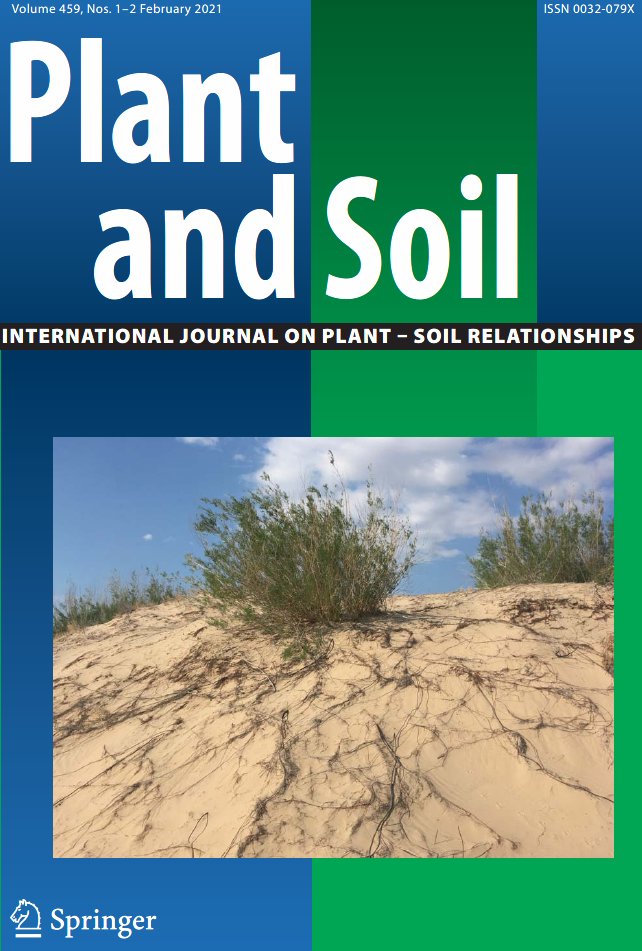
Plant and Soil publishes original papers and review articles exploring the interface of plant biology and soil sciences, and that enhance our mechanistic understanding of plant-soil interactions. We focus on the interface of plant biology and soil sciences, and seek those manuscripts with a strong mechanistic component which develop and test hypotheses aimed at understanding underlying mechanisms of plant-soil interactions. Manuscripts can include both fundamental and applied aspects of mineral nutrition, plant water relations, symbiotic and pathogenic plant-microbe interactions, root anatomy and morphology, soil biology, ecology, agrochemistry and agrophysics, as long as they are hypothesis-driven and enhance our mechanistic understanding. Articles including a major molecular or modelling component also fall within the scope of the journal. All contributions appear in the English language, with consistent spelling, using either American or British English.




 京公网安备 11010802042870号
京ICP备2023020795号-1
京公网安备 11010802042870号
京ICP备2023020795号-1

 分享
分享
 求助内容:
求助内容: 应助结果提醒方式:
 扫码关注我们
