Amit Punj, Abdissa Negassa, Anna Katrina Gutierrez, Peter Ch'en, Sunit Jariwala
{"title":"使用智能眼镜进行口腔和牙科检查的技术增强医学教育:一项观察性试点研究。","authors":"Amit Punj, Abdissa Negassa, Anna Katrina Gutierrez, Peter Ch'en, Sunit Jariwala","doi":"10.1186/s12909-025-06853-0","DOIUrl":null,"url":null,"abstract":"<p><strong>Background: </strong>The importance of dental knowledge in medical school education has been previously emphasized however, there have been limitation with adoption of a dental and oral examination component in the medical school curriculum, with hands-on training the least taught. Smart glasses have been used in a variety of applications and the objective of our study was to analyze the effectiveness of smart glasses use as a feedback tool in teaching and evaluating the oral exam performed by medical students.</p><p><strong>Methods: </strong>The pilot study included ten medical students and a standardized patient. All ten medical students were provided with a didactic self-study online course on dental examinations and were arbitrarily assigned into two groups of five. One group was assigned to an intervention arm in which they performed an oral exam using the smart glasses and the other group performed the oral exam without the smart glasses. A preceptor supervised both groups and recorded his observations on a form. The students completed a questionnaire at the end of the study to discuss their experiences. The effectiveness of the smart glasses was reflected in a high summary score of the observations and the response to the questionnaire reflected the use of the smart glasses as a feedback tool.</p><p><strong>Results: </strong>Our pilot study demonstrated feasibility of using the smart glasses as an effective tool for learning oral and dental examination. The student feedback was more favorable in the intervention group.</p><p><strong>Conclusion: </strong>Our pilot study demonstrated that smart glasses were an effective tool to enhance medical education of the oral and dental examination performed by medical students. This technology can be explored further to conduct other innovative medical education projects.</p><p><strong>Clinical trial number: </strong>Not applicable.</p>","PeriodicalId":51234,"journal":{"name":"BMC Medical Education","volume":"25 1","pages":"252"},"PeriodicalIF":3.2000,"publicationDate":"2025-02-17","publicationTypes":"Journal Article","fieldsOfStudy":null,"isOpenAccess":false,"openAccessPdf":"https://www.ncbi.nlm.nih.gov/pmc/articles/PMC11834264/pdf/","citationCount":"0","resultStr":"{\"title\":\"Technology enhanced medical education using smart glasses for oral and dental examinations: an observational pilot study.\",\"authors\":\"Amit Punj, Abdissa Negassa, Anna Katrina Gutierrez, Peter Ch'en, Sunit Jariwala\",\"doi\":\"10.1186/s12909-025-06853-0\",\"DOIUrl\":null,\"url\":null,\"abstract\":\"<p><strong>Background: </strong>The importance of dental knowledge in medical school education has been previously emphasized however, there have been limitation with adoption of a dental and oral examination component in the medical school curriculum, with hands-on training the least taught. Smart glasses have been used in a variety of applications and the objective of our study was to analyze the effectiveness of smart glasses use as a feedback tool in teaching and evaluating the oral exam performed by medical students.</p><p><strong>Methods: </strong>The pilot study included ten medical students and a standardized patient. All ten medical students were provided with a didactic self-study online course on dental examinations and were arbitrarily assigned into two groups of five. One group was assigned to an intervention arm in which they performed an oral exam using the smart glasses and the other group performed the oral exam without the smart glasses. A preceptor supervised both groups and recorded his observations on a form. The students completed a questionnaire at the end of the study to discuss their experiences. The effectiveness of the smart glasses was reflected in a high summary score of the observations and the response to the questionnaire reflected the use of the smart glasses as a feedback tool.</p><p><strong>Results: </strong>Our pilot study demonstrated feasibility of using the smart glasses as an effective tool for learning oral and dental examination. The student feedback was more favorable in the intervention group.</p><p><strong>Conclusion: </strong>Our pilot study demonstrated that smart glasses were an effective tool to enhance medical education of the oral and dental examination performed by medical students. This technology can be explored further to conduct other innovative medical education projects.</p><p><strong>Clinical trial number: </strong>Not applicable.</p>\",\"PeriodicalId\":51234,\"journal\":{\"name\":\"BMC Medical Education\",\"volume\":\"25 1\",\"pages\":\"252\"},\"PeriodicalIF\":3.2000,\"publicationDate\":\"2025-02-17\",\"publicationTypes\":\"Journal Article\",\"fieldsOfStudy\":null,\"isOpenAccess\":false,\"openAccessPdf\":\"https://www.ncbi.nlm.nih.gov/pmc/articles/PMC11834264/pdf/\",\"citationCount\":\"0\",\"resultStr\":null,\"platform\":\"Semanticscholar\",\"paperid\":null,\"PeriodicalName\":\"BMC Medical Education\",\"FirstCategoryId\":\"3\",\"ListUrlMain\":\"https://doi.org/10.1186/s12909-025-06853-0\",\"RegionNum\":2,\"RegionCategory\":\"医学\",\"ArticlePicture\":[],\"TitleCN\":null,\"AbstractTextCN\":null,\"PMCID\":null,\"EPubDate\":\"\",\"PubModel\":\"\",\"JCR\":\"Q1\",\"JCRName\":\"EDUCATION & EDUCATIONAL RESEARCH\",\"Score\":null,\"Total\":0}","platform":"Semanticscholar","paperid":null,"PeriodicalName":"BMC Medical Education","FirstCategoryId":"3","ListUrlMain":"https://doi.org/10.1186/s12909-025-06853-0","RegionNum":2,"RegionCategory":"医学","ArticlePicture":[],"TitleCN":null,"AbstractTextCN":null,"PMCID":null,"EPubDate":"","PubModel":"","JCR":"Q1","JCRName":"EDUCATION & EDUCATIONAL RESEARCH","Score":null,"Total":0}
Technology enhanced medical education using smart glasses for oral and dental examinations: an observational pilot study.
Background: The importance of dental knowledge in medical school education has been previously emphasized however, there have been limitation with adoption of a dental and oral examination component in the medical school curriculum, with hands-on training the least taught. Smart glasses have been used in a variety of applications and the objective of our study was to analyze the effectiveness of smart glasses use as a feedback tool in teaching and evaluating the oral exam performed by medical students.
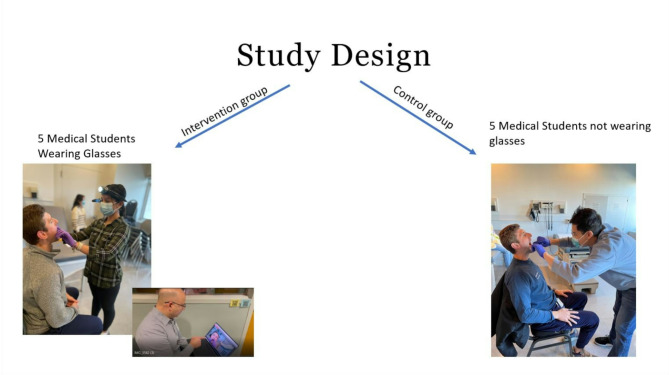
Methods: The pilot study included ten medical students and a standardized patient. All ten medical students were provided with a didactic self-study online course on dental examinations and were arbitrarily assigned into two groups of five. One group was assigned to an intervention arm in which they performed an oral exam using the smart glasses and the other group performed the oral exam without the smart glasses. A preceptor supervised both groups and recorded his observations on a form. The students completed a questionnaire at the end of the study to discuss their experiences. The effectiveness of the smart glasses was reflected in a high summary score of the observations and the response to the questionnaire reflected the use of the smart glasses as a feedback tool.
Results: Our pilot study demonstrated feasibility of using the smart glasses as an effective tool for learning oral and dental examination. The student feedback was more favorable in the intervention group.
Conclusion: Our pilot study demonstrated that smart glasses were an effective tool to enhance medical education of the oral and dental examination performed by medical students. This technology can be explored further to conduct other innovative medical education projects.
期刊介绍:
BMC Medical Education is an open access journal publishing original peer-reviewed research articles in relation to the training of healthcare professionals, including undergraduate, postgraduate, and continuing education. The journal has a special focus on curriculum development, evaluations of performance, assessment of training needs and evidence-based medicine.




 京公网安备 11010802042870号
京ICP备2023020795号-1
京公网安备 11010802042870号
京ICP备2023020795号-1

 分享
分享
 求助内容:
求助内容: 应助结果提醒方式:
 扫码关注我们
