{"title":"熵相似驱动的转化反应分子网络揭示了废水中新出现污染物的转化途径和潜在风险:以Sartans为例。","authors":"Yuli Qian, Yunhao Ke, Liye Wang, Nanyang Yu, Yujie He, Qingmiao Yu, Si Wei, Hongqiang Ren, Jinju Geng","doi":"10.1021/acs.est.4c13144","DOIUrl":null,"url":null,"abstract":"<p><p>The transformation pathways and risks of emerging contaminants (ECs) in wastewater remain unclear due to the limited throughput of nontarget screening. In this study, an improved method called entropy similarity-driven transformation reaction molecular networking (ESTRMN) was developed to identify transformation products (TPs) in wastewater. In detail, entropy similarity was the most effective algorithm for identifying parent-product spectrum pairs and a threshold of 0.5 for it was determined with the guarantee of high specificity. Additionally, a TP structure database predicted according to known structures and reactions was established to assist in identification. Sartan is one of the most commonly used angiotensin II receptor blocker antihypertensive drugs. Take sartans as an example, 69 TPs of sartans with confidence levels above 3 were identified by ESTRMN, 43 of which were newly discovered. The most common reactions included hydroxylation, hydrolysis, and oxidation, resulting in the majority of sartan TPs exhibiting higher persistence, mobility, and toxicity (PMT) than their parents. The concentration of 75% sartans and TPs increased after treatment in a WWTP, and the overall risk has not been effectively mitigated. This study emphasizes the role of ESTRMN in incorporating TPs of ECs into environmental monitoring protocols and risk assessment frameworks for wastewater management.</p>","PeriodicalId":36,"journal":{"name":"环境科学与技术","volume":" ","pages":"4153-4164"},"PeriodicalIF":12.2000,"publicationDate":"2025-03-04","publicationTypes":"Journal Article","fieldsOfStudy":null,"isOpenAccess":false,"openAccessPdf":"","citationCount":"0","resultStr":"{\"title\":\"Entropy Similarity-Driven Transformation Reaction Molecular Networking Reveals Transformation Pathways and Potential Risks of Emerging Contaminants in Wastewater: The Example of Sartans.\",\"authors\":\"Yuli Qian, Yunhao Ke, Liye Wang, Nanyang Yu, Yujie He, Qingmiao Yu, Si Wei, Hongqiang Ren, Jinju Geng\",\"doi\":\"10.1021/acs.est.4c13144\",\"DOIUrl\":null,\"url\":null,\"abstract\":\"<p><p>The transformation pathways and risks of emerging contaminants (ECs) in wastewater remain unclear due to the limited throughput of nontarget screening. In this study, an improved method called entropy similarity-driven transformation reaction molecular networking (ESTRMN) was developed to identify transformation products (TPs) in wastewater. In detail, entropy similarity was the most effective algorithm for identifying parent-product spectrum pairs and a threshold of 0.5 for it was determined with the guarantee of high specificity. Additionally, a TP structure database predicted according to known structures and reactions was established to assist in identification. Sartan is one of the most commonly used angiotensin II receptor blocker antihypertensive drugs. Take sartans as an example, 69 TPs of sartans with confidence levels above 3 were identified by ESTRMN, 43 of which were newly discovered. The most common reactions included hydroxylation, hydrolysis, and oxidation, resulting in the majority of sartan TPs exhibiting higher persistence, mobility, and toxicity (PMT) than their parents. The concentration of 75% sartans and TPs increased after treatment in a WWTP, and the overall risk has not been effectively mitigated. This study emphasizes the role of ESTRMN in incorporating TPs of ECs into environmental monitoring protocols and risk assessment frameworks for wastewater management.</p>\",\"PeriodicalId\":36,\"journal\":{\"name\":\"环境科学与技术\",\"volume\":\" \",\"pages\":\"4153-4164\"},\"PeriodicalIF\":12.2000,\"publicationDate\":\"2025-03-04\",\"publicationTypes\":\"Journal Article\",\"fieldsOfStudy\":null,\"isOpenAccess\":false,\"openAccessPdf\":\"\",\"citationCount\":\"0\",\"resultStr\":null,\"platform\":\"Semanticscholar\",\"paperid\":null,\"PeriodicalName\":\"环境科学与技术\",\"FirstCategoryId\":\"1\",\"ListUrlMain\":\"https://doi.org/10.1021/acs.est.4c13144\",\"RegionNum\":1,\"RegionCategory\":\"环境科学与生态学\",\"ArticlePicture\":[],\"TitleCN\":null,\"AbstractTextCN\":null,\"PMCID\":null,\"EPubDate\":\"2025/2/19 0:00:00\",\"PubModel\":\"Epub\",\"JCR\":\"Q1\",\"JCRName\":\"ENGINEERING, ENVIRONMENTAL\",\"Score\":null,\"Total\":0}","platform":"Semanticscholar","paperid":null,"PeriodicalName":"环境科学与技术","FirstCategoryId":"1","ListUrlMain":"https://doi.org/10.1021/acs.est.4c13144","RegionNum":1,"RegionCategory":"环境科学与生态学","ArticlePicture":[],"TitleCN":null,"AbstractTextCN":null,"PMCID":null,"EPubDate":"2025/2/19 0:00:00","PubModel":"Epub","JCR":"Q1","JCRName":"ENGINEERING, ENVIRONMENTAL","Score":null,"Total":0}
Entropy Similarity-Driven Transformation Reaction Molecular Networking Reveals Transformation Pathways and Potential Risks of Emerging Contaminants in Wastewater: The Example of Sartans.
The transformation pathways and risks of emerging contaminants (ECs) in wastewater remain unclear due to the limited throughput of nontarget screening. In this study, an improved method called entropy similarity-driven transformation reaction molecular networking (ESTRMN) was developed to identify transformation products (TPs) in wastewater. In detail, entropy similarity was the most effective algorithm for identifying parent-product spectrum pairs and a threshold of 0.5 for it was determined with the guarantee of high specificity. Additionally, a TP structure database predicted according to known structures and reactions was established to assist in identification. Sartan is one of the most commonly used angiotensin II receptor blocker antihypertensive drugs. Take sartans as an example, 69 TPs of sartans with confidence levels above 3 were identified by ESTRMN, 43 of which were newly discovered. The most common reactions included hydroxylation, hydrolysis, and oxidation, resulting in the majority of sartan TPs exhibiting higher persistence, mobility, and toxicity (PMT) than their parents. The concentration of 75% sartans and TPs increased after treatment in a WWTP, and the overall risk has not been effectively mitigated. This study emphasizes the role of ESTRMN in incorporating TPs of ECs into environmental monitoring protocols and risk assessment frameworks for wastewater management.
期刊介绍:
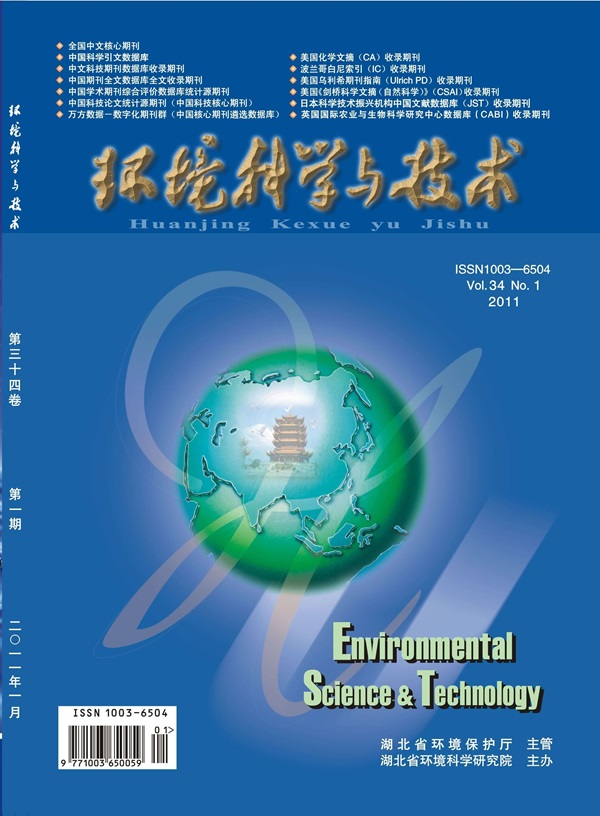
Environmental Science & Technology (ES&T) is a co-sponsored academic and technical magazine by the Hubei Provincial Environmental Protection Bureau and the Hubei Provincial Academy of Environmental Sciences.
Environmental Science & Technology (ES&T) holds the status of Chinese core journals, scientific papers source journals of China, Chinese Science Citation Database source journals, and Chinese Academic Journal Comprehensive Evaluation Database source journals. This publication focuses on the academic field of environmental protection, featuring articles related to environmental protection and technical advancements.




 京公网安备 11010802042870号
京ICP备2023020795号-1
京公网安备 11010802042870号
京ICP备2023020795号-1

 分享
分享
 求助内容:
求助内容: 应助结果提醒方式:
 扫码关注我们
